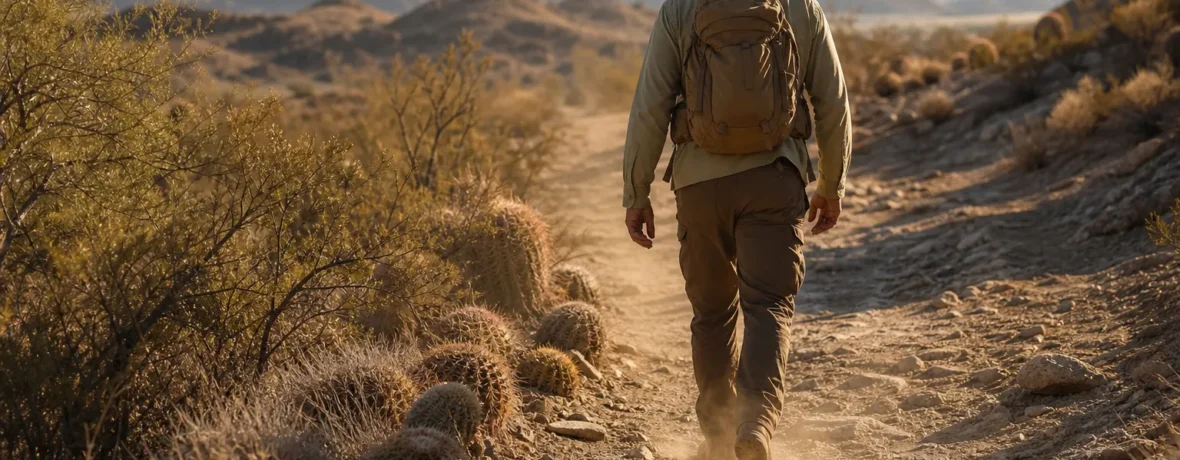
What is valley fever? Valley Fever is a lung infection caused by breathing Coccidioides fungal spores from dry soil and dust. Yes, hikers can get it if they inhale contaminated dust in risk areas, especially the Southwest. Symptoms usually start 1 to 3 weeks after exposure, and CDC says 40% of infected people develop symptoms.
What is Valley Fever and how do hikers get it?
Valley Fever is a fungal infection you breathe in from dusty soil. The medical name is coccidioidomycosis, but trail crews, desert locals, and doctors often shorten it to “cocci.” According to the CDC Valley Fever overview, the fungus Coccidioides lives in soil in certain regions and can infect the lungs when spores become airborne.
You do not need to dig a trench to kick up risk. A dry wash, a windy ridge, a dusty parking lot, a cattle-trodden trail, or a road walk with trucks passing can put fine dirt in the air. The spores are too small to see. If the dust gets into your lungs, your immune system has to deal with it.
Valley Fever is not a “dirty hiker” problem. Clean clothes, good fitness, and a strong pace do not make you immune. The risk comes from breathing dust in places where the fungus is present.
Where is Valley Fever a risk for hikers?
The risk is highest in dry areas where Coccidioides lives in soil. In the United States, that usually means parts of Arizona, California, Nevada, New Mexico, Texas, Utah, and nearby desert regions, with especially well-known risk in Arizona and California’s San Joaquin Valley.
The fungus is also found in parts of Mexico and Central and South America. On a hiking trip, think in terrain terms: hot, dry, dusty, low-elevation desert and desert-edge landscapes deserve extra attention. Trailheads beside construction, OHV routes, dry lakebeds, burned areas, ranch roads, and excavation zones can be dustier than the singletrack itself.
The Wilderness Medical Society’s discussion of Valley Fever and dust exposure highlights outdoor recreation, including hiking, trail running, and mountain biking, as activities where dust can matter in endemic regions.
What are the symptoms of Valley Fever after hiking?
Symptoms can look like a stubborn flu, COVID-like illness, or pneumonia. The CDC symptom list for Valley Fever includes cough, fever, fatigue, shortness of breath, headache, night sweats, muscle aches or joint pain, rash on the upper body or legs, and chest pain.
The timing matters. Symptoms usually appear 1 to 3 weeks after breathing in spores. That delay tricks hikers. You may be back at work, blaming a plane ride, a cold house, or “just a bug,” while the real exposure happened on a dusty desert trail two weekends earlier.
| Trail clue | Why it matters | What to do |
|---|---|---|
| Dry dust blowing across the trail | Airborne soil can carry spores in risk areas | Pause, cover up, change route, or wait for wind to settle |
| Symptoms 1 to 3 weeks later | That timing fits Valley Fever exposure | Tell a clinician where and when you hiked |
| Cough plus fever and heavy fatigue | Valley Fever can resemble pneumonia | Seek medical advice if symptoms last longer than a week |
Can you get Valley Fever from another person?
No, Valley Fever does not usually spread from person to person. You get it by breathing in fungal spores from the environment, not by sharing a tent, water bottle, shuttle seat, or post-hike burger with someone who feels sick.
That makes prevention different from preventing a cold. Hand sanitizer is still useful for trail hygiene, but it will not stop airborne soil. Dust control is the target.
Who is at higher risk for severe Valley Fever?
Anyone can get sick, but some people face higher odds of severe disease. CDC lists higher-risk groups as people with weakened immune systems, people with diabetes, pregnant people, and people who are Black or Filipino. Older adults may also face higher risk of severe outcomes.
If you fall into a higher-risk group, treat dusty desert conditions as a real trip-planning factor, not a tiny footnote. That may mean choosing a less dusty route, hiking after rain has settled the soil, skipping windy days, or wearing a properly fitted N95 respirator when dusty exposure cannot be avoided.
Do not use this article to diagnose yourself. Use it to recognize patterns, reduce exposure, and have a sharper conversation with a healthcare professional.
How can you reduce Valley Fever risk while desert hiking?
You cannot reduce the risk to zero, but you can lower your dust dose. The CDC prevention guidance for Valley Fever recommends avoiding dusty areas such as construction or excavation sites, staying inside during dust storms, and using a fitted N95 respirator when dusty exposure cannot be avoided.
- Check the wind before you drive. If a desert wind advisory or dust storm warning is in play, pick a different hike or go another day.
- Skip obviously dusty zones. Construction cuts, road shoulders, dry bulldozed lots, and busy OHV corridors are poor choices when dust is flying.
- Stay upwind of disturbed soil. If a group, vehicle, horse, or trail crew is throwing dust, do not stand in the plume.
- Use a fitted N95 when needed. A loose bandana may catch grit, but it is not the same as a fitted N95 respirator for fine dust.
- Keep vehicle windows closed on dirt-road approaches. Use recirculating air when driving through dusty risk areas.
- Change dusty clothes gently. Do not shake out dust where you or a trail partner will breathe it.
- Clean cuts well. Valley Fever is mainly inhaled, but CDC also advises cleaning skin injuries with soap and water.
Pack for dust the same way you pack for sun: hat, sunglasses, water, and a plan. A buff can help with sun and grit, but if you are counting on respiratory protection in a known dusty zone, choose the right tool.
- Bring a fitted N95 respirator for dusty trailheads, road walks, and wind events.
- Carry eye protection; dust in your eyes makes bad choices tempting.
- Choose rocky or packed trails over powdery washes when options are similar.
- Turn around if visibility drops or blowing dust coats your teeth and pack straps.
- Tell someone in your group if you are high risk before the hike starts.
When to see a doctor
See a doctor if cough, fever, chest pain, shortness of breath, rash, night sweats, or crushing fatigue lasts longer than a week after time in a Valley Fever region. Mayo Clinic says to seek medical care for symptoms if you are in or have traveled to an area where Valley Fever is common, especially if you are at higher risk for complications; see the Mayo Clinic Valley Fever guidance.
Tell the clinician exactly where you hiked and when. Say “I was hiking in dusty desert conditions in Arizona” or “I was in California’s Central Valley two weeks before symptoms started.” That travel and dust history can change what tests they consider.
Ask whether Valley Fever testing makes sense for your situation. Diagnosis may involve medical history, exam, imaging, and lab testing. Do not start leftover medication or someone else’s antifungal treatment. Treatment decisions belong with a licensed clinician who can weigh symptom severity, test results, pregnancy status, immune status, other conditions, and medication risks.
Is there a vaccine or medicine to prevent Valley Fever?
No human vaccine is available for Valley Fever. The National Institute of Allergy and Infectious Diseases describes Valley Fever as an active research priority, including work on better prevention, diagnostics, and treatment; see the NIAID Valley Fever strategic plan.
For hikers, prevention is still practical and dirt-simple: avoid dust when you can, reduce exposure when you cannot, and take lingering symptoms seriously after desert travel. That is not fear. That is smart desert travel.
Related reading
- Can Dehydration Cause a Fever?
- Rocky Mountain Spotted Fever: Symptoms for Hikers
- Is Death Valley a National Park?
- Summit Fever: When to Turn Around
FAQ
How soon do Valley Fever symptoms start after a hike?
Symptoms usually start 1 to 3 weeks after exposure. That delay is why you should connect your illness to recent desert travel, even if the hike feels like old news by the time the cough hits.
Can a short day hike cause Valley Fever?
Yes, a short hike can be enough if you breathe contaminated dust. Risk depends more on exposure to airborne spores in the right region than on mileage.
Does rain reduce Valley Fever risk?
Rain can settle dust temporarily, which may reduce airborne soil during a hike. It does not remove the fungus from the landscape, and dry, windy conditions after wet periods can still create dust.
Should hikers wear masks for Valley Fever?
Use a fitted N95 respirator when you cannot avoid dusty air in a Valley Fever region. A cloth face covering, bandana, or loose buff is not equivalent respiratory protection against fine dust.
Can dogs get Valley Fever on desert hikes?
Yes, dogs can get Valley Fever from breathing fungal spores in dusty endemic areas. If your dog develops cough, low energy, lameness, fever, or appetite changes after desert travel, call a veterinarian.
Is Valley Fever always serious?
No, many infections are mild or never cause symptoms. Some cases become severe or spread beyond the lungs, so persistent respiratory symptoms after dusty desert exposure deserve medical attention.