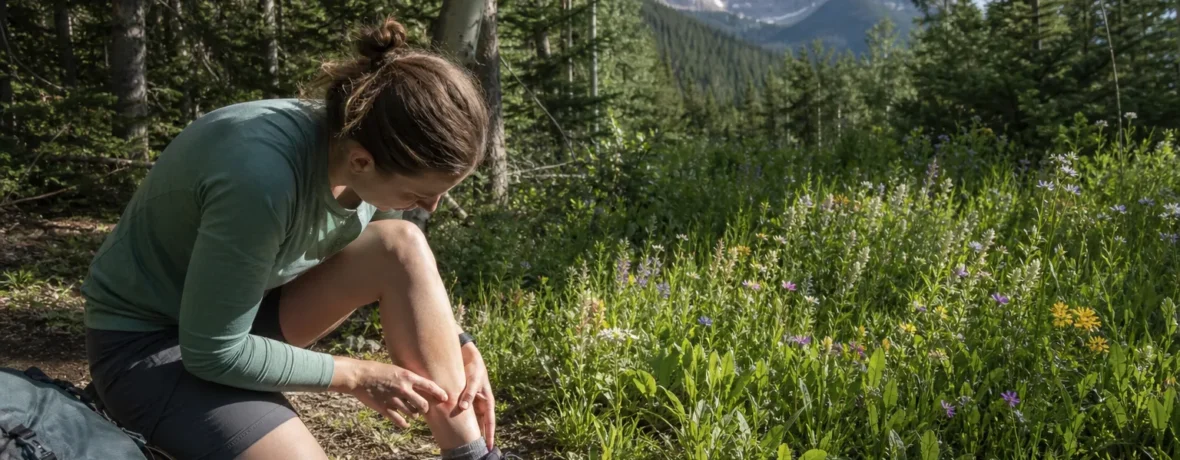
What is rocky mountain spotted fever? Rocky Mountain spotted fever is a serious bacterial tick-borne illness caused by Rickettsia rickettsii. Symptoms usually start 2 to 14 days after an infected tick bite and can include fever, severe headache, rash, nausea, muscle pain, and confusion. Yes, it can be life-threatening without fast medical treatment.
What is rocky mountain spotted fever?
Rocky Mountain spotted fever, often shortened to RMSF, is a tick-borne infection that can hit hard and move fast. The CDC describes RMSF as a bacterial disease spread through the bite of an infected tick, with fever, headache, and rash among the most common symptoms.
Despite the name, this is not just a Rocky Mountains problem. Hikers can run into RMSF risk in many parts of the United States, especially where dog ticks, wood ticks, or brown dog ticks live. Trails with brush, tall grass, leaf litter, overgrown edges, and animal traffic are classic tick zones.
The part that should make every hiker pay attention: early RMSF can feel like a bad flu, heat exhaustion, food poisoning, or “just overdoing it.” That makes it easy to shrug off. Don’t.
What are the first symptoms of Rocky Mountain spotted fever?
The first symptoms are usually fever and a bad headache. Early RMSF often starts suddenly, and the first few days may not include a rash at all.
According to the CDC clinical signs and symptoms guidance, early symptoms can include:
- Fever
- Severe headache
- Chills
- Muscle aches
- Nausea or vomiting
- Stomach pain
- Poor appetite
- Light sensitivity
- Fatigue that feels out of proportion
On trail, that can look like a hiker who was fine at breakfast and wrecked by afternoon. They may stop eating, complain of a pounding head, feel weak on easy climbs, or get chilled even when the weather is mild.
Here’s the key: a known tick bite is helpful information, but you do not need to remember a tick bite to have RMSF. Ticks can be tiny, and they like hidden places: behind knees, along sock lines, around the waistband, in the groin, under bra straps, behind ears, and at the hairline.
What does the Rocky Mountain spotted fever rash look like?
The rash often starts as small, flat, pink spots on the wrists, forearms, ankles, or lower legs. It may later spread to the trunk, palms, and soles.
The rash is famous, but it is not a reliable early warning bell. Some people do not develop a rash until several days after the fever starts, and some never notice one. Waiting for the classic rash is a bad trail strategy.
| Feature | RMSF rash pattern | What hikers should do |
|---|---|---|
| Timing | Often appears 2 to 4 days after fever begins | Do not wait for a rash before calling a clinician |
| Early look | Small, flat, pink spots | Check ankles, wrists, arms, legs, palms, and soles |
| Later look | May become red, purple, or spotted | Treat this as urgent, especially with fever |
| Itching | May not itch | Do not dismiss it because it is not itchy |
A rash plus fever after tick exposure is a “get medical help now” situation. Same goes for fever and severe headache after hiking in tick habitat, even with no rash.
How soon after a tick bite do symptoms appear?
Symptoms usually appear 2 to 14 days after a bite from an infected tick. That window matters because your sick day may come after the trip, not during it.
After a weekend backpacking trip, keep paying attention for two full weeks. If you get a fever, headache, rash, vomiting, or deep muscle aches during that window, tell the clinician where you hiked, when you were there, and whether you found any ticks on your body, clothing, dog, or gear.
Pack this detail into your memory the same way you remember water sources and trail junctions: dates, location, tick exposure, symptoms. Specifics help your healthcare provider think about tick-borne illness sooner.
Can Rocky Mountain spotted fever be fatal?
Yes, RMSF can be fatal, especially when treatment is delayed. The CDC calls RMSF the most severe rickettsiosis in the United States, and early treatment saves lives.
This is the part where hikers need to drop the tough-guy act. RMSF is not a “walk it off” problem. It can damage blood vessels and lead to serious complications involving the brain, lungs, heart, kidneys, or limbs.
Red flags that should push you toward urgent care or emergency care include:
- Fever with severe headache after possible tick exposure
- Fever with rash, especially on wrists, ankles, palms, or soles
- Confusion, fainting, unusual sleepiness, or trouble walking
- Shortness of breath
- Repeated vomiting or inability to keep fluids down
- Severe abdominal pain
- Dark purple spots, skin discoloration, or swelling
When to see a doctor
See a doctor right away if you develop fever, rash, severe headache, or flu-like symptoms within 2 weeks of a tick bite or hiking in tick habitat. Do not wait to see if it passes.
The CDC clinical care guidance says doxycycline is the treatment of choice for suspected RMSF, and treatment is most effective when started early. This article cannot diagnose you, and it cannot tell you what medication or dose you need. That call belongs to a healthcare professional who can evaluate your symptoms, exposure, allergies, pregnancy status, medical history, and local tick risks.
When you call or walk in, be blunt and specific:
- Say, “I was hiking in tick habitat.”
- Give the exact dates of the hike and the date symptoms started.
- Mention any tick bites, even if the tick was removed quickly.
- Describe the rash location and whether it spread.
- Ask whether RMSF or another tick-borne illness should be considered.
Blood tests may not confirm RMSF early in the illness. That means a clinician may treat based on symptoms and exposure rather than waiting for lab confirmation. If your symptoms are escalating, make noise. Politely, clearly, repeatedly.
How do hikers get Rocky Mountain spotted fever?
Hikers get RMSF from the bite of an infected tick. The main tick species involved in the United States include the American dog tick, Rocky Mountain wood tick, and brown dog tick.
Ticks do not jump or fly. They wait on vegetation or surfaces and grab on when you brush past. Then they crawl until they find a feeding spot. That is why your ankles, sock cuffs, waistline, and pack-strap zones deserve attention after every hike.
Higher-risk trail situations include:
- Walking through tall grass or brushy trail edges
- Sitting directly on logs, leaf litter, or grass
- Camping with dogs that move between brush and sleeping areas
- Hiking during warm months when ticks are active
- Wearing shorts or low socks in overgrown areas
- Skipping a tick check after the drive home
How can hikers reduce the risk of Rocky Mountain spotted fever?
You reduce risk by preventing tick bites and removing ticks quickly. No method is perfect, so layer your defenses.
The CDC tick prevention advice recommends using EPA-registered repellents, treating clothing and gear with permethrin, avoiding brushy areas when possible, and checking your body after outdoor time.
- Wear light-colored pants so ticks are easier to spot.
- Tuck pants into socks in heavy tick country. Stylish? No. Useful? Yes.
- Use an EPA-registered repellent on exposed skin, following the label.
- Treat boots, socks, pants, gaiters, and packs with permethrin, following the product directions.
- Stay near the center of the trail instead of brushing through vegetation.
- Do a full-body tick check after hiking.
- Shower after the hike when possible.
- Check dogs, collars, leashes, packs, and blankets.
- Run hiking clothes through a hot dryer cycle when you get home.
How do you remove a tick safely on trail?
Use fine-tipped tweezers and pull upward with steady, even pressure. Skip the match, petroleum jelly, essential oils, and twisting tricks.
- Grab the tick as close to the skin as possible with fine-tipped tweezers.
- Pull straight up with steady pressure.
- Clean the bite area and your hands with soap and water or alcohol-based sanitizer.
- Save the tick in a sealed bag or take a clear photo if you want help identifying it later.
- Write down the date and where on your body it was attached.
- Watch for fever, rash, headache, muscle aches, vomiting, or unusual fatigue for 14 days.
Do not take antibiotics “just in case” unless a healthcare professional tells you to. The CDC does not recommend preventive antibiotic treatment after a tick bite when there are no symptoms of RMSF. If symptoms show up, that is a different situation: call a clinician fast.
What should be in a hiker’s tick kit?
A tick kit should be small, simple, and easy to reach. Keep it in your first-aid pouch, not buried under your stove and spare socks.
- Fine-tipped tweezers
- Small mirror
- Alcohol wipes
- Hand sanitizer
- Small zip-top bag for saving a tick
- Pen or phone note for bite date, trail name, and symptoms
- EPA-registered repellent
- Backup socks or treated gaiters for brushy trails
If you hike with kids, teach them the check routine without scaring them. If you hike with dogs, talk with your veterinarian about tick prevention that fits your animal and region.
Related reading
- What to Do in Rocky Mountain National Park
- Can Dehydration Cause a Fever?
- Valley Fever: Desert Hiking Risk
- What to Do If You Encounter a Mountain Lion
FAQ
Is Rocky Mountain spotted fever contagious?
No, RMSF does not spread from person to person. You get it from the bite of an infected tick, not from sharing a tent, water bottle, or car ride with someone who is sick.
Can you have Rocky Mountain spotted fever without a rash?
Yes, you can have RMSF without noticing a rash, especially early. Fever, severe headache, muscle aches, vomiting, or sudden flu-like illness after tick exposure still deserve medical attention.
How fast does Rocky Mountain spotted fever need treatment?
Fast. The Mayo Clinic overview of RMSF also stresses early treatment because the illness can become serious quickly.
Where are hikers most likely to encounter RMSF?
RMSF can occur beyond the Rocky Mountains, so do not let the name fool you. Risk depends on infected tick populations, local conditions, season, pets, wildlife, and how much time you spend in grassy, brushy, or wooded areas.
Should I go to urgent care for a tick bite?
For a tick bite alone, monitor yourself and remove the tick properly. Go to urgent care or call a clinician promptly if fever, rash, severe headache, vomiting, muscle pain, or unusual fatigue develops within 14 days.
Can my dog bring RMSF ticks into camp or the house?
Yes, dogs can pick up ticks in brush, grass, campsites, and along trails. Check your dog after hikes, including ears, collar area, armpits, toes, tail base, and belly, and ask your veterinarian about tick prevention.