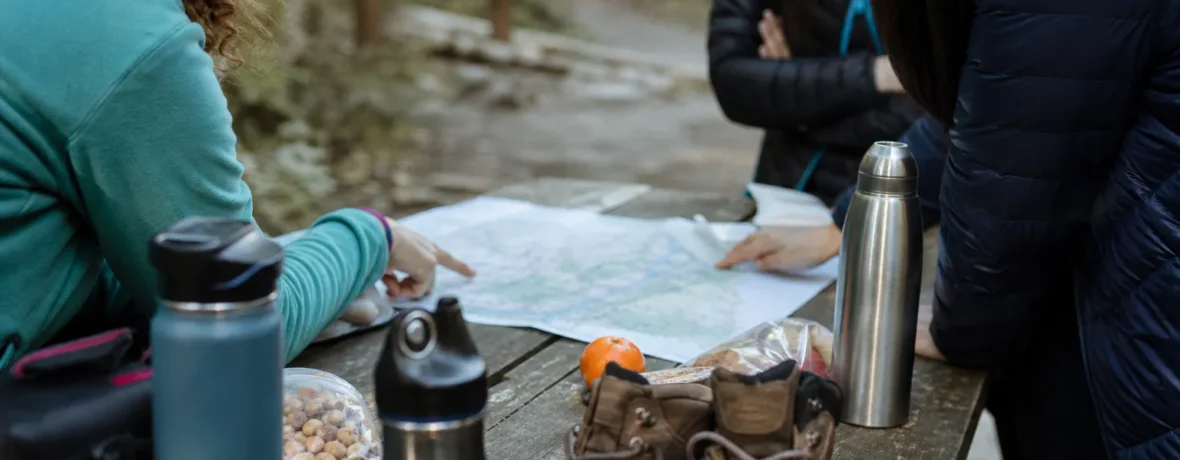
To start a hiking club, choose a clear purpose, recruit 3 to 5 reliable helpers, set basic safety rules, pick beginner-friendly first hikes, create a simple sign-up system, and post a schedule at least 2 weeks ahead. You do not need a huge budget, but you do need consistency.
How do you start a hiking club from scratch?
Start small, organized, and painfully clear.
A hiking club is not just a group chat with boots. It needs a reason to exist. Maybe your club is for after-work city hikes, beginner women hikers, parents with kids, peakbaggers, older adults, dog-friendly walkers, or locals who want to explore public lands without going alone.
Pick one lane first. You can widen later.
Here is the simple path for how to start a hiking club without turning it into a second job:
- Define the club’s purpose. Write one sentence that explains who the club is for and what kind of hikes you run.
- Choose a name. Keep it short, searchable, and easy to say out loud at a trailhead.
- Find 3 to 5 core helpers. You need people who show up, answer messages, and stay calm when plans change.
- Set basic hike ratings. Use distance, elevation gain, surface, pace, and exposure instead of vague labels like “easy” or “hard.”
- Pick your communication platform. Use one main channel for official details so nobody misses the start time.
- Create a sign-up process. Collect names, emergency contacts, fitness expectations, and whether guests understand the route difficulty.
- Plan the first 3 hikes. One hike is an event. Three hikes starts to feel like a club.
- Write simple group rules. Cover pace, dogs, guests, cancellations, no-shows, trash, alcohol, and what happens if someone ignores safety instructions.
- Post the first hike. Include mileage, elevation gain, route type, meeting spot, bathroom situation, parking notes, gear list, and cut-off time.
- Review after every outing. Ask what worked, what dragged, and what needs to change before the next hike.
That is the bones of it. Not fancy. Strong.
What kind of hiking club should you create?
Create the club people can instantly understand.
If your club tries to serve every hiker, it will confuse everyone. A slow social hiker and a fast ridge-runner may both love trails, but they do not want the same Saturday morning. Build your club around a clear type of outing and a clear type of member.
| Club type | Best for | Watch out for |
|---|---|---|
| Beginner hiking club | New hikers, social hikers, people building confidence | Routes must be clearly rated and not secretly hard |
| Fitness hiking club | People training for longer trails, climbs, and fast paces | Members need honest pace and elevation expectations |
| Family hiking club | Parents, kids, grandparents, short outings | Bathroom access, turnaround options, and snacks matter more |
| Conservation hiking club | Trail lovers who want cleanups, stewardship, and education | You may need coordination with land managers |
A tight identity also helps you say no. No to routes that do not fit. No to members who push the pace beyond the posted plan. No to turning a relaxed nature walk into a sufferfest.
Good clubs protect the promise they made.
Who should help lead your hiking club?
You need steady people, not just strong hikers.
The best hike leaders are not always the fastest or loudest people in the parking lot. They are the ones who read the route, notice struggling hikers, carry the group plan in their head, and make boring decisions before anything gets spicy.
For a new hiking club, build a small leadership team with clear jobs:
- Organizer: manages the calendar, sign-ups, announcements, and cancellations.
- Hike leader: knows the route, sets the pace, and gives the pre-hike briefing.
- Sweep: stays at the back so nobody gets quietly dropped.
- Safety lead: carries a first aid kit, checks weather, and tracks emergency details.
- Community lead: welcomes new members, answers beginner questions, and keeps the tone friendly.
One person can hold more than one job on small hikes, but do not let one person hold every job forever. Burnout kills clubs faster than rain.
Also, train replacements early. Ask reliable members to co-lead short hikes. Let them practice giving the trailhead briefing. Let them make the reminder post. A club that depends on one heroic organizer is fragile. A club with 6 capable leaders can last.
How many people should be in a hiking club?
Begin with 10 to 30 interested people and cap early hikes at a size your leaders can manage.
A club can have hundreds of members online, but the trail does not care about your follower count. Narrow trails, small parking lots, fragile terrain, bathroom lines, and mixed hiking speeds all get harder with big groups.
For your first few outings, smaller is cleaner. A group of 6 to 12 hikers gives leaders room to learn names, watch pace, and handle delays. Once your systems work, you can add more hikes instead of stuffing more people into one outing.
Use caps based on the route. A wide local greenway can handle a bigger social walk. A steep singletrack trail with limited parking should stay smaller. If a land manager posts group-size rules, follow them. As of November 2026, federal recreation permits and reservation rules vary by location and activity, so check the specific site through official land manager pages or Recreation.gov’s FAQ before posting a group hike that may need a permit.
How do you plan the first club hike?
Make the first hike easy to finish and hard to misunderstand.
Your first outing sets the club culture. Do not choose the most dramatic trail in the county. Choose the trail that lets people meet, move, talk, and return safely with enough energy to say, “I’d do that again.”
For a first hike, look for:
- 3 to 5 miles [5 to 8 km] total distance
- Modest elevation gain, clearly listed in the event post
- A marked route with few confusing junctions
- Reliable parking or a clear carpool plan
- Cell coverage if possible
- Bathrooms at or near the trailhead if available
- A turnaround option
- A nearby coffee shop, picnic area, or casual hangout for after
Post the route details in plain language. “Moderate” is not enough. Say: “4.2 miles [6.8 km], 650 feet [198 m] of elevation gain, rocky sections, one steady climb, relaxed pace, expected hiking time 2.5 hours.” That tells people what their legs are signing up for.
The National Park Service Hike Smart guidance recommends planning ahead, knowing your limits, carrying the right supplies, and understanding that some backcountry areas do not have cell service. Build that mindset into your club from day one.
What rules should a hiking club have?
Use rules that prevent confusion, not rules that make the club feel like court.
People behave better when expectations are clear. Your rules should fit on one page and show up in every new-member welcome message.
Start with these:
- No one gets left behind without a clear plan. If the group splits, leaders must know who is where.
- Members must read the full hike description before signing up. Distance, elevation, pace, and gear are not decoration.
- Arrive on time. State how long the group waits before leaving.
- Bring required gear. Water, layers, footwear, snacks, and lights may vary by hike.
- Respect the posted pace. Fast hikers should not drag the whole group forward.
- Follow land rules. Dogs, campfires, parking, permits, drones, and trail closures depend on the area.
- Pack out trash. That includes orange peels, tissue, and snack wrappers.
- Harassment is out. Make this blunt. People need to feel safe joining alone.
You should also say who can remove someone from a hike or the club. Do it before you need it. Nothing good happens when leaders invent consequences in the middle of drama.
For trail behavior, link members to the Leave No Trace 7 Principles. They give your club a shared baseline for trash, wildlife, other visitors, durable surfaces, and campsite impact.
How do you keep hikers safe in a club?
Safety starts before the sign-up goes live.
Think like a trip planner, not a social host. Every hike should have a route plan, weather check, gear expectation, emergency plan, and a leader who knows when to turn around. The goal is not to scare people. The goal is to remove sloppy surprises.
Before each hike, leaders should check:
- Current trail status from the park, forest, city, county, or preserve that manages the land
- Weather, including heat, wind, storms, snow, ice, and flash flood risk
- Sunrise and sunset
- Road and trailhead access
- Parking limits or reservation requirements
- Water availability, if any
- Known hazards such as hunting seasons, burn areas, washed-out bridges, or seasonal wildlife closures
The U.S. Forest Service Know Before You Go guidance points visitors toward checking conditions, preparing for changing weather, and matching activities to experience. That is exactly how a good hiking club should operate.
Ask every participant to carry the basics: water, snacks, weather-appropriate layers, sun protection, a headlamp or flashlight, personal medications, and a small first aid kit. For longer or rougher hikes, add navigation, extra food, extra water, emergency shelter, and a way to call for help where service is unreliable.
Ticks deserve a direct mention. As of November 2026, the CDC tick prevention guidance says reducing exposure is the best defense, and that ticks are most active during warmer months from April through September. Encourage members to stay on trail, use EPA-registered repellents when appropriate, check clothing and skin after hikes, and follow CDC guidance for tick removal.
When to see a doctor
See a doctor when symptoms after a hike are severe, unusual, worsening, or connected to a bite, fall, heat illness, or allergic reaction.
A hiking club should not diagnose people. Leaders can help someone stop, rest, cool down, warm up, hydrate, or seek emergency help, but medical calls belong with medical professionals.
Tell members to seek medical care after a hike if they have symptoms such as chest pain, trouble breathing, fainting, confusion, head injury concerns, spreading redness after a bite, fever after tick exposure, severe dehydration symptoms, or pain that prevents normal walking. For emergencies, call local emergency services.
If your club hikes in remote areas, consider having leaders take wilderness first aid training from a reputable provider. That does not make them doctors. It gives them better tools while waiting for help.
How do you get members for a hiking club?
Recruit where your future members already spend time.
You do not need a giant launch. You need the right first people. Start with friends, coworkers, neighbors, local outdoor shops, gyms, colleges, community centers, libraries, faith communities, and local social groups. Then use online tools to make the club easy to find.
Good places to post include:
- Local Facebook groups
- Meetup-style event platforms
- Community bulletin boards
- Outdoor retailer event boards
- Local subreddit or neighborhood apps
- City recreation pages, if they allow community listings
- Instagram, with location tags and clear hike details
Your event post should answer the questions nervous people are too shy to ask: How fast do you hike? Can beginners come? Are dogs allowed? Will I be the only new person? What shoes do I need? Is there a bathroom? What happens if I am slow?
Write like a human. Try this:
“New to hiking or new to town? Join us for a relaxed 3.8-mile [6.1 km] loop at Oak Ridge Trail on Saturday at 9 a.m. We’ll move at a conversational pace and regroup at junctions. Bring water, snacks, and shoes with decent grip. First-timers welcome.”
That beats a vague “Saturday hike!” every time.
Should your hiking club charge dues?
Only charge dues if the money solves a real club problem.
Free clubs grow faster because the barrier is low. Paid clubs may work better when you have recurring costs, insurance, website tools, training, permits, or gear. Be clear about where the money goes.
| Model | Best use | Downside |
|---|---|---|
| Free | Casual local hikes and early growth | No budget for tools, training, or shared gear |
| Donation-based | Clubs with small costs and flexible members | Income is unpredictable |
| Annual dues | Organized clubs with regular expenses | More admin and higher expectations |
| Per-event fee | Special hikes, guest instructors, or shuttle costs | Can make simple hikes feel transactional |
If you collect money, track it. Share a basic budget with members. Keep club funds separate from personal spending. For anything involving liability, taxes, nonprofit status, or insurance, talk with a qualified professional in your state instead of guessing from a forum thread.
What tools make a hiking club easier to run?
Use fewer tools than you think.
Too many apps scatter the group. Pick one official place for hike details, one place for sign-ups, and one place for leader planning.
A clean starter setup looks like this:
- Public page: simple website, social page, or event platform with club purpose and upcoming hikes
- Sign-up form: name, contact info, emergency contact, hike acknowledgment, and relevant notes
- Member email list: official announcements and schedule changes
- Leader spreadsheet: route links, attendance, incidents, cancellations, and leader assignments
- Shared route folder: maps, GPX files, parking notes, and backup plans
Keep the final hike details in one place. If the time changes in the group chat but not on the event page, someone will show up late. Or at the wrong trailhead. Or both.
How do you keep people coming back?
Make the club welcoming, predictable, and worth their Saturday.
People return when they feel seen. Learn names. Greet newcomers. Explain the plan before moving. Regroup without making slower hikers feel like an anchor. End when you said you would, or communicate clearly when the route runs long.
Rhythm helps. A monthly hike is easier to remember than random pop-up hikes. A steady calendar also helps leaders plan their lives.
Try a mix like this:
- First Saturday: beginner-friendly social hike
- Second Wednesday: short after-work walk
- Third Saturday: moderate fitness hike
- Fourth Sunday: family or nature-focused outing
After each hike, post a short recap, thank the leaders, and announce the next outing. Do not overdo it. A few photos, a route note, and a friendly “see you next time” keeps the fire warm.
And listen. If members keep asking for shorter drives, earlier starts, dog-free hikes, women-only hikes, or harder climbs, that is useful information. You do not have to say yes to every request, but the pattern tells you where the energy is.
Related reading
- How to Find and Join a Hiking Club
- Where Does the Appalachian Trail Start and End?
- How to Start Camping: A Beginner's Guide
- How to Start Hiking: A Beginner's Plan for the First 10 Hikes
FAQ
Do I need permission to start a hiking club?
No, you usually do not need permission just to form a hiking club. You may need permits, reservations, or approval for specific group hikes depending on the land manager, group size, activity, and location.
How often should a hiking club meet?
Once a month is a strong starting schedule. If leaders have time and demand is steady, add a second monthly hike before trying weekly events.
Can beginners join a hiking club?
Yes, beginners can join if the hike is designed for them. Post exact distance, elevation gain, pace, terrain, and gear needs so new hikers can choose honestly.
What should a hiking club leader carry?
A leader should carry route information, a charged phone, basic first aid supplies, extra layers, a headlamp, emergency contacts, and any gear suited to the route conditions. For remote hikes, add stronger navigation and emergency communication planning.
How do you handle slow hikers?
Set the pace expectation before the hike starts, then use regroup points and a sweep. If someone is far outside the posted pace, help them turn around safely or suggest a better-fit hike next time.
Should a hiking club allow dogs?
Only allow dogs when the trail rules allow them and the hike format fits. State leash rules, behavior expectations, and whether the event is dog-friendly in the original post.