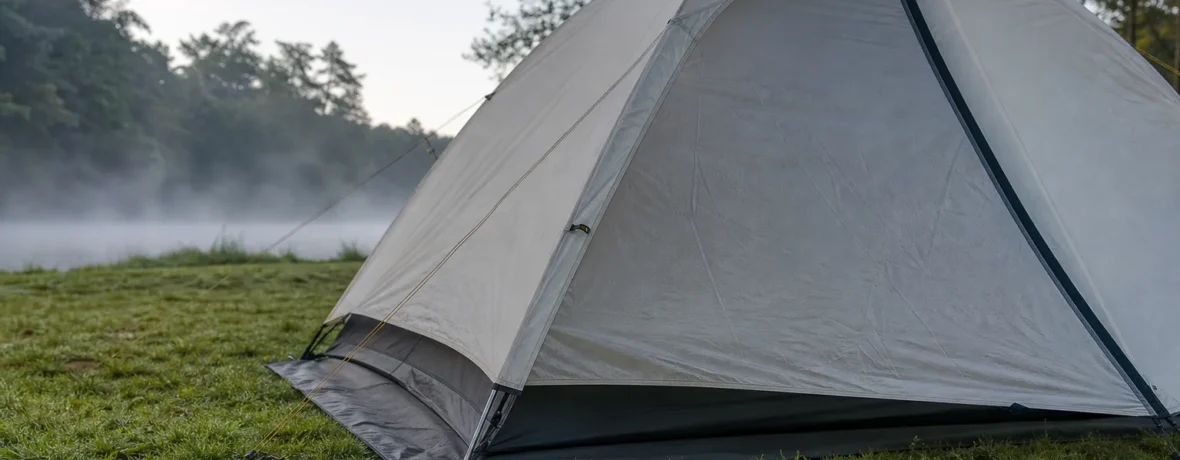
What is a tent footprint? It’s a ground sheet sized slightly smaller than your tent floor, placed underneath to reduce abrasion, punctures, mud, and moisture. It is worth it for rocky, gritty, or wet campsites; skip it for soft grass, sand, or ounce-counting trips where every 4-12 oz [113-340 g] matters.
What is a tent footprint used for?
A tent footprint is used to protect the bottom of your tent from the ground. It sits between the tent floor and whatever ugly little things are waiting underneath: granite grit, cactus spines, pine needles, roots, wet duff, and those tiny sharp rocks you somehow missed while choosing the “perfect” tent site.
REI describes a footprint as fabric placed between the tent and ground to help protect against abrasive elements like twigs, rocks, and gritty surfaces in its guide to tent footprints. Big Agnes says its footprints are designed to protect tent floors from punctures and abrasions in the brand’s footprint FAQ.
The job is simple. Your tent floor takes less abuse. Your shelter stays cleaner. Packing up in mud is less gross. And on some tent models, the footprint helps with a “fast pitch” setup using only the poles, rainfly, and footprint.
Do you really need a tent footprint?
No, you do not always need one. A good tent can stand on its own, and many backpackers leave the footprint at home to save weight.
That said, “need” changes fast when the ground turns mean. If your trip includes gravel tent pads, desert crust, volcanic rock, packed forest dirt, or campsites with heavy use, a footprint makes sense. It is cheaper and easier to replace a separate sheet than a damaged tent floor.
Skip it when you are camping on forgiving ground, such as soft grass or smooth sand, and the weather is mild. Also skip it if your shelter already has a very tough floor and you are carrying everything on your back for long miles.
Should a tent footprint be smaller than the tent?
Yes, it should be slightly smaller than the tent floor. This is the rule people ignore once, usually during a rainy night.
If the footprint sticks out beyond the tent wall, rain can land on the exposed edge and run underneath your shelter. Then it pools between the footprint and floor. That is the opposite of what you wanted.
A proper footprint should tuck under the tent perimeter on all sides. Many manufacturer footprints are cut to match the tent’s floor shape while staying inside the drip line. REI also warns that DIY footprint material should be cut precisely so it does not extend beyond the tent floor in its camping tent advice.
Is a tent footprint waterproof?
Usually, yes, but it should not be treated like a bathtub. Most footprints use coated nylon, polyester, polyethylene, or similar water-resistant material, but their main job is protection, not replacing a properly waterproof tent floor.
A footprint can slow ground moisture and keep mud off the tent. It cannot fix a bad campsite choice. If you pitch in a low spot, drainage channel, or puddle-prone hollow, water can still collect under you.
Think of it as armor, not magic.
Tent footprint vs tarp vs Tyvek: which works best?
The best choice depends on fit, weight, cost, and how much fiddling you tolerate. A matching footprint is the cleanest option. A tarp is cheap and tough but bulky. Tyvek and polycryo are common DIY choices for hikers who want a lighter groundsheet.
| Option | Best for | Tradeoff |
|---|---|---|
| Manufacturer footprint | Fast setup, exact fit, wet trips | Costs more and fits one tent model |
| Hardware-store tarp | Car camping, rough ground, budget setups | Heavy, bulky, must be trimmed smaller |
| Tyvek sheet | Backpacking on a budget | Crinkly until softened, DIY cutting required |
| Polycro sheet | Ultralight trips on moderate ground | Less durable against sharp rock and sticks |
If you use a tarp, do not fold the extra material outside the tent like a welcome mat. Fold it under itself or cut it down. The footprint should disappear under the tent, not collect rain like a gutter.
How do you use a tent footprint correctly?
Lay it under the tent, keep every edge tucked in, and pitch on durable ground. That is the whole system.
- Choose a durable campsite before you unpack. The National Park Service lists durable surfaces as maintained sites, rock, gravel, sand, dry grasses, or snow in its Leave No Trace guidance.
- Clear loose sticks, cones, and sharp stones by hand. Do not scrape vegetation down to dirt.
- Spread the footprint flat with the correct side facing up if the manufacturer specifies one.
- Pitch the tent directly over it, aligning corners, clips, or grommets.
- Check the perimeter. No edge should stick out past the tent floor.
- Stake the shelter so the floor stays taut and the rainfly sheds water away from the base.
- In the morning, shake off grit and let the footprint dry before packing when conditions allow.
When is a tent footprint worth carrying?
Carry one when the ground can chew up your tent floor or when a dirty pack-up will make the next day worse.
A footprint earns its space in your pack on:
- Rocky mountain campsites with granite chips or talus grit
- Desert trips with thorns, sand, and sharp mineral soil
- Established tent pads made of compacted gravel
- Wet forest camps where mud sticks to everything
- Cold shoulder-season trips where you want one more barrier from damp ground
- Loaner or family tents that see rougher use
Leave it behind on:
- Soft grass at a mellow frontcountry campground
- Sand camping with careful site selection
- Fast backpacking trips where every ounce gets questioned
- Trips with a cheap, easily repaired shelter you are willing to wear out
Can a footprint make your tent warmer?
Only a little. A footprint can reduce direct contact with cold, damp ground, but it does not replace a sleeping pad with proper insulation.
Your sleeping pad provides the real warmth under your body. The footprint mainly protects fabric and keeps grime off the tent. If warmth is the issue, look at your pad’s R-value before blaming the groundsheet.
How do you choose the right tent footprint?
Choose the one that fits your exact tent if you want the least hassle. Tent footprints are not one-size-fits-all, even when two tents both say “2-person.” Floor shapes, corner angles, vestibules, and pole systems vary.
Look for:
- Exact model compatibility: Match the footprint to the tent name and size.
- Smaller-than-floor cut: It should not extend beyond the tent body.
- Attachment points: Grommets, buckles, or corner loops make setup cleaner in wind.
- Reasonable packed weight: Car campers can go tougher; backpackers should count ounces.
- Fast-pitch support: Some systems let you pitch the rainfly with poles and footprint only. MSR notes that footprints can support lighter shelter setups on compatible tents in its tent and shelter manual.
Related reading
- How to Waterproof a Tent: Seams, Rainfly and Floor
- How to Set Up a Tent Step by Step (Even Alone)
- How to Clean a Tent (Including Mold and Mildew)
- How to Choose a Tent: Capacity, Seasons and Weight
FAQ
What side of a tent footprint goes up?
The coated or shinier side often faces up, but follow your tent maker’s instructions first. If there are corner tabs, buckles, labels, or grommets, those usually make the orientation obvious once you line it up with the tent.
Can I use a regular tarp as a tent footprint?
Yes, you can use a regular tarp if you cut or fold it smaller than the tent floor. If any tarp edge sticks out, it can catch rain and send water under your tent.
Does a tent footprint go inside or outside the tent?
A footprint goes outside, under the tent floor. Some campers also use a thin liner inside the tent to protect from dog claws or gear abrasion, but that is a separate piece with a separate job.
Will a tent footprint stop water from getting in?
No, not by itself. It helps with ground moisture and mud, but waterproofing depends on your tent floor, seam condition, rainfly pitch, and campsite drainage.
Is a tent footprint worth it for backpacking?
Yes, if your route has rough campsites, wet weather, or expensive ultralight shelter fabric you want to protect. No, if you are traveling light on forgiving ground and accept normal tent-floor wear.
How big should a tent footprint be?
It should match the tent floor shape but be slightly smaller on every side. A footprint that extends past the tent body can funnel rainwater underneath you.