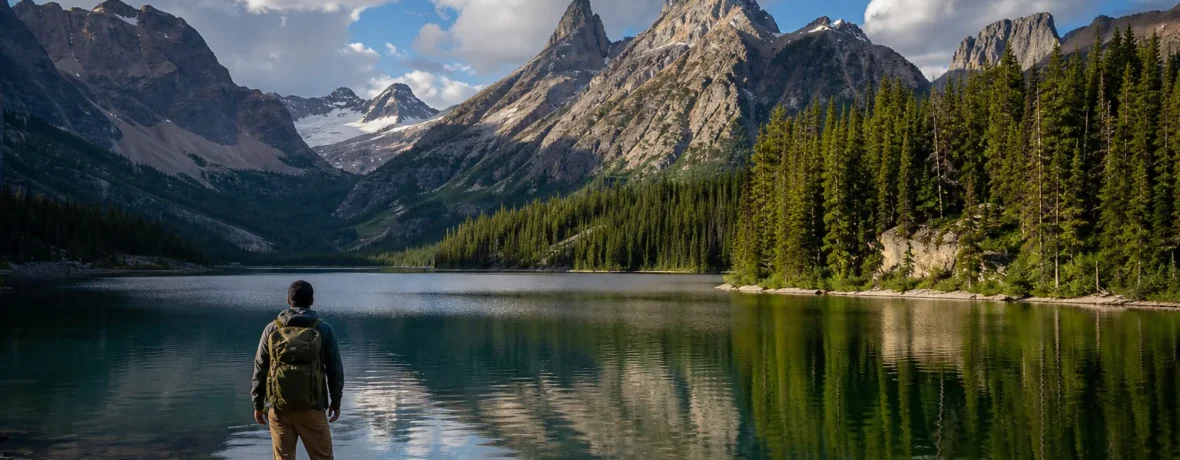
As of November 2026, there are 64 official national parks in the United States. The newest is Chiricahua National Park in Arizona, redesignated from a national monument on October 20, 2026. The larger National Park System includes 434 units across all 50 states, DC, and US territories.
How many national parks are there in the US right now?
There are 64 official US national parks as of November 2026.
That number comes from the National Park Service’s current National Park System list, which shows “National Parks (64)” and names each one. That is the clean answer if you mean places with “National Park” in the official designation.
The number changed in October 2026, when Chiricahua National Monument in southeastern Arizona became Chiricahua National Park. So if you still see older articles saying 63, they were accurate before October 20, 2026. Not now.
The full national park lineup runs from giant, roadless Alaska wilderness parks to compact urban-adjacent parks like Gateway Arch in Missouri and Indiana Dunes on Lake Michigan. Some protect mountains. Some protect caves. Some protect deserts, coral reefs, rainforests, volcanoes, dunes, and old-growth forests. The title is the same. The experience is not.
Why do some people say there are more than 400 national parks?
Because “national park” gets used two ways.
In everyday speech, people often call every National Park Service site a “national park.” The NPS itself says the broader National Park System has 434 units, as of November 2026. Those units include national parks, national monuments, national historic sites, national seashores, national battlefields, national recreation areas, national scenic trails, and other designations.
Here’s the simple split:
| Term | Current count | What it means |
|---|---|---|
| Official national parks | 64 | Units with “National Park” in the official name |
| National Park System units | 434 | All NPS-managed units, including monuments, historic sites, seashores, trails, and more |
| Related areas | More than 150 | Places connected to NPS programs but usually not full NPS units |
So the next time someone asks, “How many national parks are there?” the best answer is: 64 official national parks, inside a much bigger 434-unit National Park System.
What is the newest national park in the United States?
Chiricahua National Park in Arizona is the newest US national park.
The National Park Service announced that Chiricahua National Monument became Chiricahua National Park after the Chiricahua National Park Act was signed into law on October 20, 2026. The NPS Recent Changes to the National Park System page lists the October 20, 2026 redesignation and confirms it was a name change, not a brand-new NPS unit.
That last part matters. Chiricahua was already protected by the National Park Service before the title changed. The park’s rock spires, sky-island habitat, and cultural history did not suddenly appear. The sign changed. The national attention changed. The trip-planning pressure may change, too.
If you’re planning a visit, go straight to the park’s official NPS page before you drive. New national park status can bring bigger crowds fast, especially around weekends, holidays, and spring desert wildflower windows.
Do all national parks charge entrance fees?
No, not all national parks charge entrance fees.
Some parks are fee-free year-round, while others charge by private vehicle, motorcycle, or person. As of November 2026, the NPS Entrance Passes page says parks that charge an entrance fee require visitors to have a standard entrance pass, a park-specific annual pass, or an America the Beautiful pass.
As of November 2026, the America the Beautiful Annual Pass is listed by NPS at $80 for US citizens and residents. NPS also lists a $250 nonresident annual pass, and says nonresidents age 16 and older must pay a $100 nonresident fee at certain high-visitation national parks unless admitted with an Annual or America the Beautiful Pass. Always check the official fee page for your specific park before you go, because entrance rules and add-on reservation fees are not identical everywhere.
A pass is not a magic wand. It usually covers entrance or standard amenity fees. It does not automatically cover campsites, guided tours, ferries, shuttle tickets, cave tours, backcountry permits, timed-entry reservations, or concession-run services.
Do you need reservations or permits to visit national parks?
Sometimes, yes.
Many national parks let you drive in or walk in during open hours with a valid entrance pass. But popular parks may require reservations for specific roads, parking areas, hikes, campgrounds, cabins, shuttles, cave tours, boat trips, or wilderness camping. As of November 2026, Recreation.gov’s reservation policies cover timed-entry tickets, tours, vehicle reservations, permits, and campground reservations, with fees and rules varying by location.
Use this quick planning sequence before any national park trip:
- Search the park’s official NPS page, not a random map result.
- Open “Fees & Passes” and check the current entrance fee.
- Open “Alerts” for closures, road work, fire restrictions, storm damage, or shuttle changes.
- Check “Plan Your Visit” for timed entry, permits, tours, and campground rules.
- If the park sends you to Recreation.gov, make the reservation there only.
- Download or screenshot passes and permits before you lose cell service.
Do this even for a day hike. A trailhead can be open while the access road is closed. A campground can be full while backcountry permits are still available. A park can waive entrance fees on a free day while still requiring a timed-entry reservation.
What rules should you know before hiking in a national park?
Know the local rules before your boots hit dirt.
National parks are not theme parks with prettier landscaping. They are protected public lands with real hazards, fragile resources, and rules that can change by season, district, fire level, wildlife activity, and crowd pressure.
- Stay on legal trails and routes. Cutting switchbacks scars slopes and can close restoration areas.
- Leave rocks, plants, fossils, antlers, and artifacts where you find them. NPS Leave No Trace guidance says to leave natural objects and cultural items in place.
- Store food properly. Food rules vary by park, but wildlife getting human food is bad for you, bad for the animal, and often expensive.
- Check pet rules before bringing your dog. NPS guidance on hiking with pets says dogs should be kept on a 6 ft [1.8 m] leash, but many national park trails do not allow pets at all.
- Do not fly a drone unless the park specifically allows it. As of November 2026, NPS says uncrewed aircraft are restricted in national parks, with limited exceptions and written approvals handled by park officials.
- Respect closures. A closed trail is not a suggestion. It may protect nesting wildlife, unstable cliffs, burned slopes, flood damage, sacred sites, or your skull.
- Carry the basics. Water, layers, headlamp, map, sun protection, and a turnaround time beat optimism every time.
Which states have the most national parks?
California has the most official national parks.
As of November 2026, California has nine: Channel Islands, Death Valley, Joshua Tree, Kings Canyon, Lassen Volcanic, Pinnacles, Redwood, Sequoia, and Yosemite. Alaska has eight, including Denali, Gates of the Arctic, Glacier Bay, Katmai, Kenai Fjords, Kobuk Valley, Lake Clark, and Wrangell-St. Elias. Utah has five: Arches, Bryce Canyon, Canyonlands, Capitol Reef, and Zion. Colorado and Arizona each have four after Chiricahua’s 2026 redesignation.
But don’t plan only by count. One Alaska park can take more logistics than five road-trip parks in Utah. A small-looking park on the map can require a ferry, a cave-tour ticket, a desert heat plan, or a winter tire chain plan. Start with the season, then pick the park.
Related reading
- Are Drones Allowed in National Parks?
- What Happens to National Parks During a Government Shutdown
- How Many Days Do You Need in Glacier National Park?
- How Many Days Do You Need in Zion National Park?
FAQ
How many national parks are there?
There are 64 official national parks in the US as of November 2026. That count refers only to units with “National Park” in the official name, not the full National Park System.
How many National Park Service sites are there?
There are 434 National Park System units as of November 2026. That larger number includes national parks plus monuments, historic sites, seashores, recreation areas, battlefields, trails, and other NPS designations.
What was the 64th national park?
Chiricahua National Park in Arizona became the 64th official national park. It was redesignated from Chiricahua National Monument on October 20, 2026.
Are national monuments the same as national parks?
No. Both can be part of the National Park System, but “national monument” and “national park” are different official designations. The protection can be strong under either title, so check the site’s actual rules instead of judging by the name.
Can you visit every national park in one trip?
Technically, yes, but it would be a huge and expensive trip. The 64 parks include remote Alaska parks, island parks, tropical parks, desert parks, and parks spread across US territories, so most hikers tackle them over years.