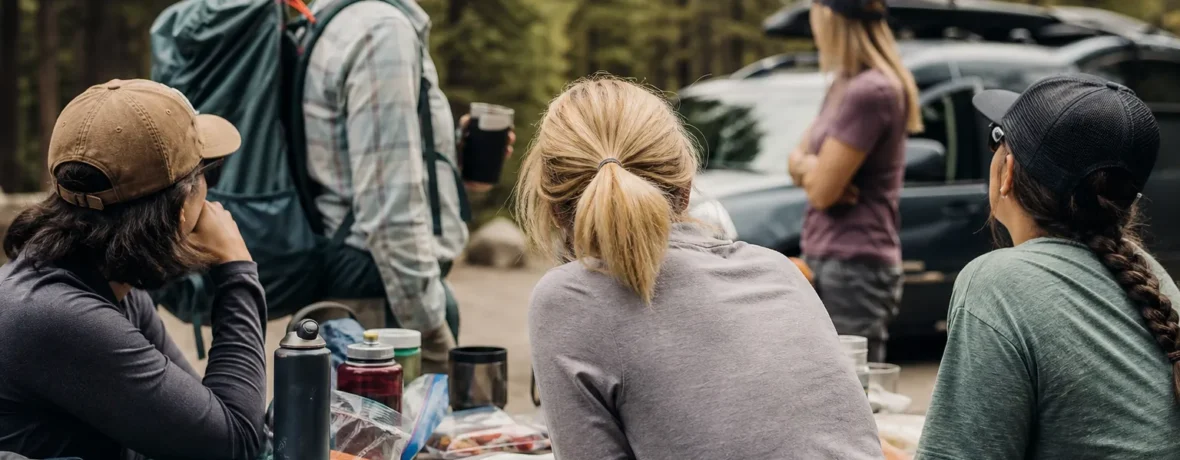
The hiking community is the loose network of day hikers, backpackers, trail crews, local clubs, guides, volunteers, and online groups that help people find trails, share skills, stay safer, and protect public land. Yes, you can join it without being fast, experienced, or gear-obsessed.
What is the hiking community?
The hiking community is everyone who shows up for trails and the people who use them.
That includes the couple doing a 2-mile [3.2 km] loop after work, the retiree leading a weekend club hike, the backpacker chasing a 2,000-mile [3,219 km] footpath, the sawyer clearing blowdowns, the shuttle driver, the map nerd, and the quiet hiker who picks up trash without posting a photo.
There is no single front door. You meet the hiking community in trailhead parking lots, volunteer days, Facebook groups, local outfitters, park programs, long-distance trail shelters, conservation nonprofits, and group hikes that start with strangers and end with shared snacks.
At its best, this community does three useful things:
- It passes on practical knowledge. Which trail floods after rain. Which ridge gets icy first. Which water source is seasonal.
- It creates belonging. You find people who think a Saturday spent walking uphill sounds normal.
- It protects the resource. Trails do not maintain themselves. People build, drain, brush, sign, report, fund, and defend them.
How do you find hiking friends?
Start with low-commitment hikes close to home.
You do not need to join a 15-mile [24.1 km] sufferfest to meet hikers. In fact, that is usually the wrong move. Pick shorter outings where people can talk, pause, and learn each other’s pace. A 3- to 5-mile [4.8 to 8 km] local hike tells you more about group chemistry than a huge objective with no room for error.
- Search for local hiking clubs. Look for clubs connected to your city, county, state parks, universities, outdoor stores, or conservation groups.
- Join one beginner-friendly event. Read the description closely. Mileage, elevation gain, pace, and meeting time matter.
- Message the leader before you go. Ask what pace they expect and what gear they require. Good leaders answer clearly.
- Show up prepared. Bring water, snacks, layers, rain protection, a headlamp, and the route saved offline.
- Be easy to hike with. Arrive on time, avoid blasting music, do not pressure people to go faster, and thank the organizer.
- Return twice. One hike can be awkward. Three hikes usually tell you if the group fits.
Online groups help, but the real test is outside. Watch how people treat slower hikers, new hikers, wildlife, and the land. That tells you everything.
What should you know before joining a hiking group?
You should know the route, pace, expectations, and bailout plan before you say yes.
A good hiking group is clear. A sloppy one relies on optimism. Big difference. Before joining, read the trip post like you are checking a weather window before a summit day.
| Group type | Best for | Watch for |
|---|---|---|
| Local hiking club | Steady schedules, mixed skill levels, repeat friendships | Trips that label “moderate” without mileage or elevation gain |
| Volunteer trail crew | Hands-on service, skill building, meeting committed locals | Tool work that requires training, PPE, or agency approval |
| Online meetup | Finding people fast, especially after moving to a new area | Unscreened leaders and vague safety plans |
| Long-distance trail network | Backpackers, section hikers, shuttle tips, resupply knowledge | Advice that may be outdated, regional, or too specific to one season |
Ask direct questions. “How fast does this group hike?” “Will the group stay together?” “What happens if someone turns around?” “Are dogs allowed?” “Is this beginner-friendly, or beginner-tolerant?” Those are not fussy questions. They are trail questions.
How do trail names, meetups, and trail magic work?
They work best when they are fun, respectful, and never forced.
Trail culture has its own small rituals. Trail names are nicknames, often earned through a funny habit, a memorable mishap, or a personality quirk. You do not assign yourself one and demand everyone use it. You let it happen, or you skip it completely.
Meetups can be casual coffee-shop planning nights, post-hike burgers, map sessions, gear swaps, or annual trail festivals. These are where you learn the unwritten stuff: who leads winter hikes, which group welcomes new backpackers, who knows local water sources, and who always brings the best cookies.
Trail magic is help offered freely to hikers. It might be a ride into town, a cooler of cold drinks, fresh fruit at a road crossing, or a backyard tent spot where allowed. The key word is freely. No one owes it, and no one should expect it.
The clean version of trail culture is generous without being showy. The messy version turns kindness into performance. Stick with the clean version.
How can you give back to the hiking community?
Give time, money, skill, or courtesy.
You do not need a chainsaw certification to help, though trail crews need trained sawyers too. The simplest contribution is being the kind of hiker who leaves the next person a better trail and a better mood.
- Follow Leave No Trace. As of November 2026, the Leave No Trace Seven Principles cover planning ahead, durable surfaces, waste disposal, leaving what you find, campfire impact, wildlife respect, and consideration for others.
- Volunteer for public lands. The National Park Service volunteer program connects people with service roles across parks and programs.
- Support trail-specific nonprofits. The Appalachian Trail Conservancy hiker resources are a good example of how organizations share education, stewardship, and planning help.
- Learn trail work skills. The Pacific Crest Trail Association Trail Skills College teaches trail design and maintenance skills for volunteers and professionals.
- Report problems clearly. If you see a washed-out bridge, blocked trail, missing sign, or unsafe parking issue, contact the land manager with the trail name, location, date, and photo if you have one.
Money helps too. So does packing out trash. So does mentoring one new hiker without acting superior. The hiking community runs on thousands of small acts that never make a headline.
What makes a hiking community healthy?
A healthy hiking community is welcoming, skilled, honest, and protective of the land.
Welcoming does not mean careless. It means new hikers can ask basic questions without getting mocked, and experienced hikers can talk about real risk without sounding like gatekeepers. A strong group makes room for both kindness and standards.
Look for these signs:
- Clear trip ratings. Mileage, elevation gain, terrain, pace, and exposure are listed before the hike.
- Respect for turnaround decisions. Nobody gets shamed for stopping early.
- Shared leadership. One charismatic person does not control every outing.
- Land-first habits. The group stays on durable surfaces, packs out waste, and follows posted restrictions.
- No hero culture. People value good judgment over dramatic stories.
- Real inclusion. Different ages, body types, backgrounds, speeds, and experience levels can participate without being treated like side guests.
Also watch for red flags. If a group ignores closures, pressures people past their comfort level, treats rescues like entertainment, trashes beginners online, or shares sensitive locations for clout, keep walking. There are better people to hike with.
How do you become part of the hiking community without feeling awkward?
Be useful, curious, and consistent.
Most hikers remember being new. They remember not knowing what “exposure” meant, buying the wrong socks, carrying too much water on one trip and too little on the next. You do not need to pretend. Say, “I’m new to group hikes, and I want to learn.” The right people will respect that.
Start small. Learn names. Offer to take the group photo. Share a snack if someone forgot one. Ask before giving advice. Thank the hike leader. Pick up one wrapper. Come back next month.
That is how belonging happens outdoors. Not through a badge. Not through the fanciest pack. Through repeated miles, decent manners, and trust built one trailhead at a time.
Related reading
- A Walk in the Woods: Bill Bryson's AT Story vs Reality
- Kids' Hiking Boots: How to Size and When to Buy
- Mountain Porters: The People Who Carry Expeditions
- Teaching Leave No Trace to Kids
FAQ
Do you have to be an experienced hiker to join the hiking community?
No. You need honesty about your fitness, gear, and comfort level. Choose beginner-friendly hikes first, then build up to longer routes with more elevation gain.
What is the best way to meet hikers near me?
Join a local hiking club or volunteer trail day. Those settings give you structure, a set meeting place, and people who already care enough to show up.
Are online hiking groups safe?
They can be safe if the organizer is clear and the plan is specific. Look for posted mileage, elevation gain, route name, pace, weather plan, and expectations before joining.
What should you bring on your first group hike?
Bring water, snacks, layers, rain protection, sun protection, a headlamp, basic first aid, and the route saved offline. Also bring patience; group pace rarely matches your solo pace exactly.
How can you help the hiking community if you are new?
Start with simple trail courtesy. Stay on trail, pack out trash, thank volunteers, follow land manager guidance, and support groups that maintain the places you hike.