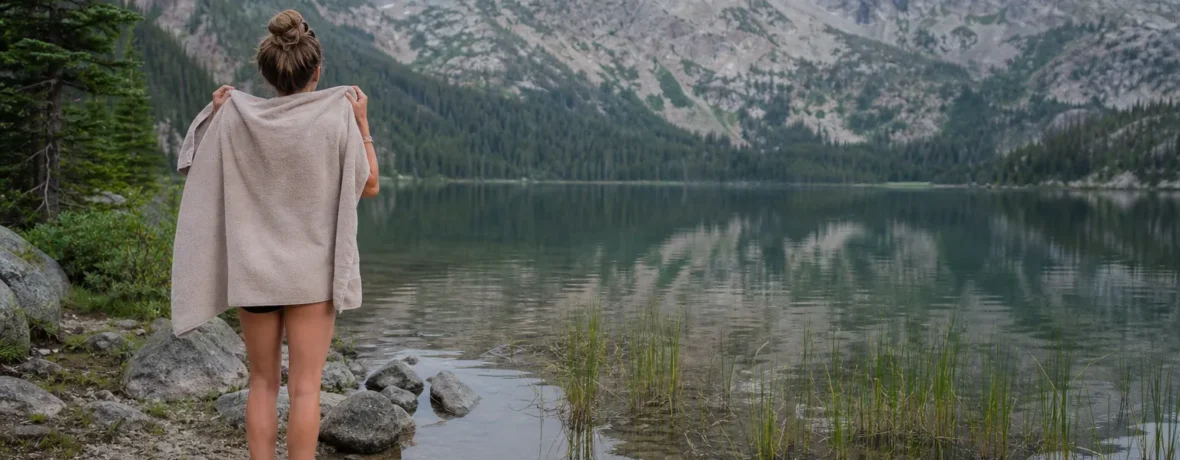
What is swimmer’s itch? It is an itchy skin rash caused by an allergic reaction to microscopic parasite larvae in lake water. It is not contagious. Symptoms can start within minutes to 2 days after wading or swimming, and most cases fade in 1–2 weeks if you avoid scratching and keep the skin clean.
What is swimmer’s itch, exactly?
Swimmer’s itch is cercarial dermatitis, a skin reaction to tiny parasite larvae that mistake you for the wrong host. The CDC describes swimmer’s itch as a rash caused when larvae from infected snails enter fresh or salt water and burrow into exposed skin.
Here’s the trail-side version: ducks, geese, gulls, swans, muskrats, or raccoons can carry the adult parasites. Eggs pass into water. Larvae infect certain aquatic snails. Those snails release another larval stage into the lake. If that larva bumps into your bare leg while you’re cooling off after a climb, it may penetrate the outer skin. Humans are a dead end for it. The larvae die, but your immune system may throw a loud, itchy fit.
That’s why a crystal-clear alpine-looking lake can still trigger a rash. Clear water is not sterile water. If the right snails and animals are present, the cycle can happen.
Can you get swimmer’s itch in mountain lakes?
Yes, you can get it in mountain lakes if the parasite life cycle is present. Elevation alone does not give you a free pass.
Risk tends to rise in warm, shallow, calm shoreline water where snails live and birds hang around. That sounds more like a lazy lowland pond than a cold tarn above tree line, but mountain lakes often have protected coves, muddy edges, marshy inlets, and sunny shallows. Those are the spots to treat with suspicion.
Most reports of cercarial dermatitis are tied to freshwater lakes, though it can also occur in brackish and marine water, according to the recreational water guidance hosted by NCBI Bookshelf. For hikers, the practical takeaway is simple: the risk is not the whole lake. It is often the shoreline zone where you step in, rinse socks, let kids splash, or stand around waist-deep for 20 minutes.
What does swimmer’s itch look like?
It usually looks like itchy red bumps, pimples, or small blisters on skin that was exposed to lake water. The rash often shows up on legs, arms, torso, or any area not covered by a swimsuit, wetsuit, or waders.
The timing helps. The CDC says tingling, burning, or itching can start within minutes to days after exposure, and small reddish pimples can appear within 12 hours. Mayo Clinic says symptoms may begin within minutes or as long as 2 days after swimming or wading.
| Clue | Swimmer’s itch | Other common possibilities |
|---|---|---|
| Timing | Minutes to 2 days after lake exposure | Mosquito bites may appear soon after bites; poison ivy often appears later |
| Pattern | Mostly on skin exposed to water | Bug bites cluster on exposed skin; plant rashes may streak where leaves brushed you |
| Feel | Itchy, sometimes burning or tingling | Harmful algal bloom exposure can also irritate skin, eyes, nose, or throat |
Do not use that table to diagnose yourself. Rashes are sneaky. Poison ivy, insect bites, hot tub rash, hives, eczema, and reactions to algae can overlap. If the water looked like spilled green paint, pea soup, or scum mats, check the CDC’s guidance on freshwater harmful algal bloom symptoms and avoid contact with that water.
How do you prevent swimmer’s itch after hiking to a lake?
You reduce risk by choosing your swim spot carefully and drying off fast. No method is perfect, but smart habits help.
- Skip marshy edges. Avoid weedy, mucky, snail-friendly shallows, especially where birds gather.
- Do not feed ducks or geese. Feeding birds near swim areas encourages the wildlife-parasite-snail cycle right where people wade.
- Swim from a cleaner, deeper entry if safe. If you can enter from rock, gravel, or a dock and avoid lingering in warm shallows, that is usually a better bet.
- Keep kids moving. Children are often affected because they play in shallow water and may not towel off well.
- Rinse with clean water after swimming. Use a camp shower, jug, or filtered water if you packed enough.
- Towel dry hard enough to remove water from the skin. Drying right after you get out is one of the CDC’s core prevention tips.
- Change out of wet clothes. Do not sit around in wet trunks or leggings while eating your summit sandwich.
Pack this small lake-swim kit:
- Quick-dry towel
- Clean rinse water or a small camp shower
- Dry base layer or shorts
- Plastic bag for wet clothes
- Anti-itch lotion or cream you already know your skin tolerates
How do you treat swimmer’s itch on the trail?
Treat the itch gently and avoid scratching. Most cases do not need medical care, according to the CDC, and symptoms usually resolve on their own.
For comfort, the CDC’s clinical treatment guidance says symptoms usually resolve in 1–2 weeks and that antihistamines or topical corticosteroids may be used to reduce symptoms. Mayo Clinic also lists self-care options such as cool compresses, anti-itch lotion, colloidal oatmeal baths, and avoiding scratching.
On a backpacking trip, keep it boring:
- Wash the area with clean water and mild soap if available.
- Pat dry. Do not scrub the rash raw.
- Use a cool, damp cloth for itch relief.
- Wear loose, breathable clothing over the rash.
- Keep fingernails short if you are on a longer trip.
- Use over-the-counter anti-itch products only as the label directs.
Scratching is the villain. It can break the skin and open the door to a secondary bacterial infection. That turns an annoying lake rash into a bigger backcountry problem.
When to see a doctor
See a clinician if the rash lasts more than a week, worsens, or shows signs of infection. Mayo Clinic advises talking with a health care provider if a rash after swimming lasts more than a week or if you notice pus at the rash site.
Get medical help sooner if you have spreading redness, increasing warmth, swelling, fever, severe pain, red streaks, or a rash near the eyes or genitals. Also get help if you are unsure what caused the rash. Swimmer’s itch has no specific test, and Mayo Clinic says clinicians usually diagnose it by looking at the skin and asking about recent activities.
This article is trail health education, not a diagnosis. If your gut says something is off, listen to it.
Can you swim in the same lake again?
You can, but repeated exposure can make symptoms more intense for some people. The CDC says the more often you swim or wade in contaminated water, the more likely you are to develop stronger symptoms.
If a lake has posted warnings, skip it. If several people in your group got the same itchy rash after the same shoreline swim, choose another lake or a different entry next time. The larvae may survive for 24 hours after release from a snail, but an infected snail can keep releasing larvae during its life, so one bad day does not always mean one isolated day.
Related reading
- Runner's Knee in Hikers: Causes and Fixes
- Best Hiking Shoes 2026: Men’s and Women’s Low-Cut Picks, Tested
- The Hiking Books Worth Reading: A Reader’s Guide for Walkers
- Lyme Disease Symptoms After a Hike
FAQ
Is swimmer’s itch contagious?
No. Swimmer’s itch does not spread from person to person. You get it from contact with contaminated water, not from touching someone’s rash.
How long does swimmer’s itch last?
Most cases fade within 1–2 weeks. Itching may last a week or longer, and scratching can slow healing or cause infection.
Does swimmer’s itch come from dirty water?
Not necessarily. It comes from a parasite life cycle involving birds or mammals and certain snails. A clean-looking mountain lake can still have the right hosts in shallow shoreline water.
Can dogs get swimmer’s itch?
Dogs can develop skin irritation after lake exposure, but a rash on a dog is not something to guess at. If your dog is itchy, vomiting, weak, or was in water with algae scum, contact a veterinarian.
Does showering prevent swimmer’s itch?
Showering or rinsing right after leaving the water may reduce risk, especially when followed by firm towel drying. It is not a guarantee once larvae have penetrated the skin.
Should you pop swimmer’s itch blisters?
No. Do not pop blisters or scratch bumps open. Keep the area clean, control itching, and seek care if you see pus, spreading redness, or worsening pain.