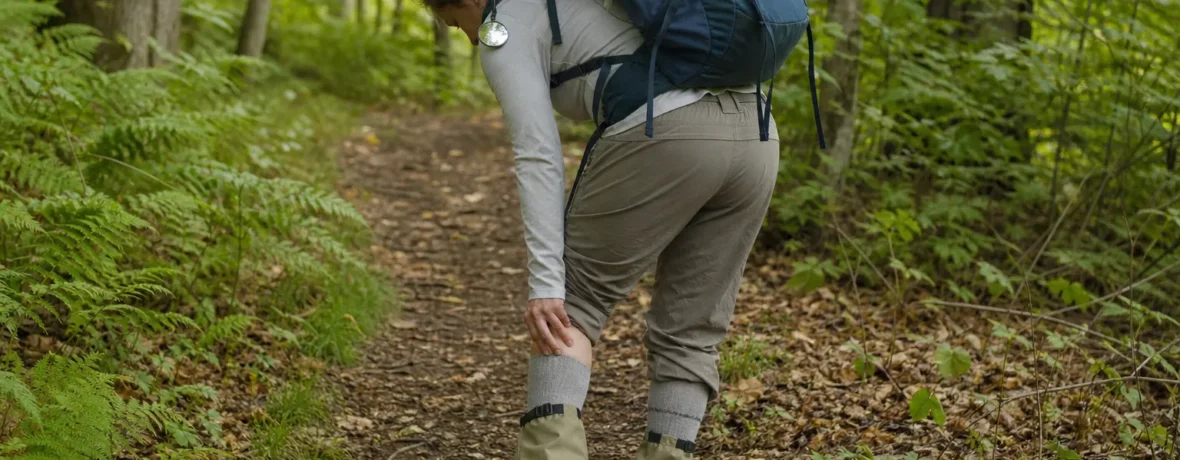
Yes—you can cut your risk sharply if you use 3 layers of defense: treat clothing and gear with 0.5% permethrin, apply an EPA-registered repellent to exposed skin, and do a full tick check within 2 hours after hiking. That is how to prevent tick bites while hiking without turning the trip into a medical project.
How to prevent tick bites while hiking step by step?
Use a simple system before, during, and after the hike.
Ticks do not jump, fly, or drop from trees like tiny forest ninjas. Most climb onto you from grass, brush, leaf litter, low plants, pets, socks, shoes, or pant legs. Your job is to give them fewer chances to reach skin, fewer places to hide, and less time to stay attached.
- Check the tick risk before you go. Warm months are prime time in many places, but tick exposure can happen year-round when conditions allow. Pay extra attention in grassy, brushy, and wooded terrain.
- Treat clothes and gear ahead of time. Use a product containing 0.5% permethrin on boots, pants, socks, gaiters, packs, and tents, or buy factory-treated clothing. Follow the label and let treated items dry fully before wearing them.
- Dress like ticks are coming from below. Wear long pants, crew or tall socks, and closed shoes. Tuck pants into socks if the route is brushy. It looks goofy. It works.
- Use repellent on exposed skin. Choose an EPA-registered repellent with an active ingredient that lists ticks on the label.
- Stay centered on the trail. Avoid brushing against tall grass, trail-edge weeds, and leaf piles when you can.
- Do quick checks during breaks. Look at socks, ankles, calves, waistband, sleeves, pack straps, and the backs of knees.
- Strip the trail clothes at home. Keep them out of the bedroom. Put dry clothes in a dryer on high heat for 10 minutes, or wash with hot water first if needed, following CDC tick prevention guidance.
- Shower and scan skin. Shower within 2 hours when possible, then check your whole body with a mirror.
How to avoid ticks while hiking before you hit the trail?
Prep your clothes, pack tweezers, and pick a route that keeps you out of brush.
A solid anti-tick setup starts at home. You do not want to be standing at a trailhead, swatting mosquitoes, reading a repellent label with one boot on and one sock half-tucked. Do the prep once, then make it routine.
- Treat hiking pants, socks, and boots with permethrin. It is for clothing and gear, not skin.
- Carry fine-tipped tweezers. Add them to the same pouch as blister tape, sunscreen, and pain-free backup snacks.
- Choose lighter-colored pants and socks. They make crawling ticks easier to spot before they find skin.
- Skip shorts in tall grass. If the trail is narrow, overgrown, or damp, covered legs are the smarter call.
- Pack a small plastic bag. Use it for ticked-up socks or clothes until you can dry or wash them.
- Check the dog plan. Dogs can bring ticks into the car, tent, or house. Ask your veterinarian which tick prevention product fits your dog.
For repellent shopping, the EPA repellent search tool lets you filter products by pest, active ingredient, and protection time. Look for “ticks” on the product label, not just mosquitoes.
What should you wear to keep ticks off your skin?
Wear long pants, tall socks, closed shoes, and treated clothing when tick exposure is likely.
Think from the ground up. Ticks usually meet you at shoe level, then crawl upward until they find a warm, tucked-away spot. That means ankles, calves, knees, waistbands, armpits, groin, ears, and hairline deserve real attention.
Good trail clothing for tick country:
- Long hiking pants instead of shorts
- Tall socks pulled over pant cuffs in brushy sections
- Closed shoes or boots, not sandals
- Light-colored fabric so tiny dark ticks stand out
- Smooth, tightly woven fabrics that are harder for ticks to grip
- Permethrin-treated gaiters if you hike through grass, ferns, or wet meadows
On hot days, use lightweight sun pants rather than heavy canvas. You do not need to roast. You need a barrier. A thin, breathable fabric still gives ticks one more obstacle before they reach skin.
Do not spray permethrin on your legs, arms, neck, or face. The CDC Yellow Book states that permethrin belongs on clothing, nets, and other fabrics as directed on the label, not on skin.
Which tick repellent works best for hikers?
The best repellent is an EPA-registered product labeled for ticks that you will apply correctly.
For most hikers, DEET, picaridin, and permethrin-treated clothing are the backbone. The Wilderness Medical Society gives strong recommendations for DEET, picaridin, permethrin, tick checks, high-heat drying of clothing, and prompt mechanical tick removal in its clinical practice guidelines for tick-borne illness.
| Option | Use it on | Trail note |
|---|---|---|
| Permethrin 0.5% | Clothing, boots, socks, gaiters, packs | Strong choice for pants and footwear; do not apply to skin. |
| DEET | Exposed skin and some clothing, per label | Classic broad-use repellent; follow label directions near plastics and synthetic gear. |
| Picaridin | Exposed skin and clothing, per label | Low odor and popular for day hikes; check the label for tick protection time. |
| OLE, PMD, IR3535, or 2-undecanone | Exposed skin, per label | EPA-registered options; OLE and PMD products should not be used on children under 3. |
Apply sunscreen first, then repellent. Spray repellent outdoors or in a ventilated spot. Do not spray it straight into your face; spray it onto your hands, then apply carefully, avoiding eyes and mouth. Reapply based on the label, sweat, rain, and trip length.
Skip homemade “tick spray” if you are hiking in real tick habitat. Essential oils can smell nice and still leave you underprotected. For health protection, use products registered for the job.
Where do ticks hang out on hiking trails?
Ticks favor grass, brush, leaf litter, wooded edges, and animal travel zones.
On trail, the tickiest spots are usually the places where your legs brush vegetation. Narrow singletrack. Overgrown switchbacks. Fern tunnels. Meadows with knee-high grass. Damp leaf litter near creeks. Campsites at the edge of woods. Logs where you sit for lunch. Deer paths that cross the trail.
Smart trail habits help:
- Walk near the center of the trail when there is room.
- Do not sit directly in leaf litter or tall grass.
- Use a foam sit pad, rock, bench, or clear patch for breaks.
- Keep your pack off brushy ground when possible.
- Avoid grabbing trailside grass for balance.
- Check socks and legs after pushing through vegetation.
Ticks can also ride home on coats, daypacks, tents, and pets. The bite might not happen on the trail. It can happen later, in the car or at home, after the tick crawls from your gear to skin. That is why gear checks matter.
How do you do a tick check after hiking?
Check clothing, gear, pets, then your whole body from scalp to toes.
Do not make the tick check casual. Make it mechanical. Same order every time. You are looking for crawling ticks and attached ticks, including nymphs that can be as small as a poppy seed.
Start before you go inside if the hike was brushy:
- Scan socks, shoes, gaiters, cuffs, and pant legs.
- Shake out hats, buffs, gloves, and jackets.
- Look along backpack straps, hip belts, mesh pockets, and seat pads.
- Check the dog before it jumps into the car or onto the couch.
At home, shower and inspect skin with a hand mirror or full-length mirror. Check these spots carefully:
- Scalp and hairline
- In and behind ears
- Neck
- Armpits
- Inside the belly button
- Waistband line
- Groin
- Backs of knees
- Between toes
Then deal with clothes. The CDC recommends tumble-drying dry clothing on high heat for 10 minutes to kill ticks after coming indoors. If clothes are damp, they may need more time; if they need washing first, use hot water because cold and medium temperature water will not kill ticks reliably.
What should you do if you find a tick attached?
Remove it right away with tweezers and clean the bite area.
Do not wait for a clinic visit just to remove the tick. Time matters. The faster you remove it, the better. Use the CDC tick removal steps:
- Use clean fine-tipped tweezers.
- Grasp the tick as close to the skin surface as you can.
- Pull upward with steady, even pressure.
- Do not twist, jerk, burn, smother, paint with nail polish, or cover with petroleum jelly.
- Dispose of the tick in a sealed container, tape, alcohol, or toilet.
- Clean the bite area and your hands with soap and water, rubbing alcohol, or hand sanitizer.
- Do another full tick check. One tick can mean more ticks.
If small mouthparts remain and you cannot remove them easily, leave them alone and let the skin heal. Digging hard can irritate the area. If the tick was attached in a sensitive spot, you cannot reach it, or you are not sure what to do, get medical help.
A photo can help later. If you can, take a clear picture of the tick before disposal. Include the bite date and the trail or area where you think it happened. Do not rely on commercial tick testing to decide whether you need care; the CDC says tick test results should not guide treatment decisions.
When to see a doctor
See a doctor if you develop a rash, fever, or flu-like symptoms after a tick bite.
Get medical advice promptly if you notice fever, rash, headache, unusual fatigue, muscle aches, joint pain, swollen lymph nodes, or a spreading red area after a tick bite or after hiking in tick habitat. The CDC advises seeing a doctor if rash or fever develops within several days to weeks after removing a tick.
Tell the clinician:
- When the bite happened
- Where you were hiking
- How long the tick may have been attached, if you know
- What the tick looked like, or show a photo
- What symptoms you have and when they started
Do not self-diagnose a tick-borne illness. Do not take leftover antibiotics. A clinician can decide whether testing, treatment, or watchful waiting fits your situation. In certain higher-risk Lyme disease exposures, preventive antibiotics may be considered by a healthcare professional, but that call depends on tick type, location, attachment time, timing of removal, medical history, and local disease patterns.
If you are deep in the backcountry and symptoms develop after a known tick exposure, treat it as a real medical problem, not a campfire debate. Shorten the trip, contact medical support if available, and get evaluated.
Related reading
- What Does a Tick Bite Look Like? Photos and Warning Signs
- How to Remove a Tick the Right Way
- When to Worry About a Tick Bite
- Deer Tick vs Dog Tick: How to Tell
FAQ
Can ticks bite through hiking pants?
Ticks usually crawl under clothing rather than bite through sturdy fabric. Long pants still help because they slow ticks down, make them easier to spot, and give treated fabric time to work.
Do ticks fall from trees onto hikers?
No, ticks do not fly, jump, or usually drop from trees. Hikers most often pick them up from grass, brush, leaf litter, low vegetation, animals, clothing, or gear.
Are leggings enough to prevent tick bites?
Leggings are better than bare legs, but they are not a full plan. Pair them with tall socks, treated footwear, repellent on exposed skin, and a careful post-hike tick check.
How soon after hiking should you check for ticks?
Check as soon as you finish hiking, then do a full body check after you get home. Showering within 2 hours gives you a clean chance to inspect skin and wash off unattached ticks.
Should you save a tick after removing it?
You can save it briefly in a sealed container or take a clear photo, especially if you may need medical advice. Do not use commercial tick testing results to decide whether you are safe or sick.
What is the fastest way to reduce tick risk on your next hike?
Treat your shoes, socks, and pants with 0.5% permethrin before the trip, then use an EPA-registered skin repellent at the trailhead. Stay out of brush, check during breaks, and do the full shower-and-scan routine after hiking.