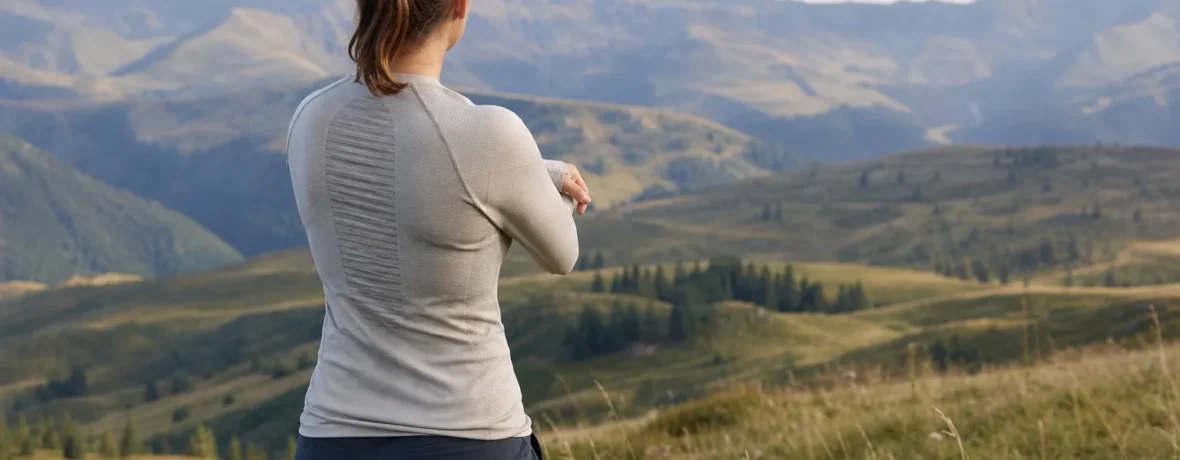
Yes—polyester is good for hiking if you need fast-drying, sweat-wicking, affordable trail clothing. Choose 100% polyester or polyester blends for shirts, underwear, fleece, and socks. Skip it only when odor control, campfire safety, or next-to-skin softness matters more than drying speed.
Is polyester good for hiking?
Yes, polyester is one of the safest default fabrics for hiking clothes.
It pulls sweat away from your skin, dries quickly after rain or hard climbing, and holds its shape after repeated washing. That makes it useful for day hikes, backpacking trips, humid trails, shoulder-season layering, and budget gear kits.
REI’s hiking clothing guide lists polyester and nylon as common synthetic options that wick sweat and dry fast, especially for layers worn next to skin. That is the whole reason polyester shows up in so many trail shirts, running tops, hiking underwear, fleece pullovers, sun hoodies, and liner socks.
The short version: polyester is not fancy. It works.
Is polyester better than cotton for hiking?
Yes, polyester is usually better than cotton for hiking.
Cotton feels great at home, but on trail it soaks up sweat and rain, then stays wet. Wet cotton can rub, sag, chill you, and make a breezy ridgeline feel colder than it should. Polyester dries faster and keeps moving moisture away from your skin while you walk.
That is why the old “cotton kills” line still gets repeated in hiking circles. It is blunt, but the point is solid: cotton is a poor choice for cold, wet, or high-output hiking. A cotton T-shirt on a flat 2-mile [3.2 km] summer stroll is not the end of the world. A cotton base layer under a rain shell during a cold climb is a bad call.
| Fabric | Best use | Main drawback |
|---|---|---|
| Polyester | Base layers, sun shirts, fleece, hiking underwear | Can hold odor |
| Cotton | Dry camp, casual town wear | Stays wet and dries slowly |
| Merino wool | Cool weather, long trips, odor control | Costs more and can wear faster |
| Nylon | Pants, shorts, wind shirts, shells | Less common for soft base layers |
Is polyester better than merino wool for hiking?
Sometimes, but not always.
Polyester wins on price, drying speed, stretch recovery, and durability. If you sweat hard, hike in humid weather, or want a shirt you can wash often without babying it, polyester is a strong pick.
Merino wool wins on odor control and comfort across changing temperatures. It can feel less clammy during stop-and-go hiking, and many hikers prefer it for multi-day trips when they will wear the same shirt more than once.
For many hikers, the sweet spot is a blend: polyester for structure and faster drying, merino for odor resistance and a softer feel. REI’s base layer advice points to both synthetics and wool as solid base-layer fabrics, as long as the layer wicks well.
Does polyester keep you warm when wet?
Polyester stays more useful than cotton when wet, but it is not magic.
Polyester absorbs very little water into the fiber itself, so it dries faster and keeps some insulating value better than cotton. A polyester fleece can still trap air when damp, which is why fleece jackets remain common midlayers.
But if your polyester shirt is soaked and the wind picks up, you can still get cold fast. The fabric helps. Your layering system does the real work. Carry a dry insulating layer and a wind or rain shell when the forecast looks unstable.
Is polyester breathable enough for summer hiking?
Yes, lightweight polyester can be excellent for summer hiking.
The key is the knit. A thin polyester running shirt, mesh-backed sun hoodie, or airy button-up can dump heat well. A thick polyester fleece cannot. Same fiber, different job.
For hot trails, look for:
- Lightweight fabric with a loose or open knit
- A relaxed fit that lets air move
- Light colors for exposed routes
- UPF-rated fabric for long sun exposure
- Flat seams under pack straps
- No heavy logo patches where your backpack rides
A tight polyester gym shirt may wick sweat, but it can also feel sticky under a loaded pack. A trail-specific sun shirt usually feels better after the first steep mile [1.6 km].
What are the downsides of polyester hiking clothes?
The big downsides are odor, heat sensitivity, and microfiber shedding.
Polyester can trap body oils, which is why a synthetic hiking shirt may smell worse than merino after one hard day. Odor-control finishes help, but they do not make a shirt permanently fresh. Patagonia’s notes on odor-control additives show how brands treat some synthetic base layers to fight stink, while still weighing environmental tradeoffs.
Polyester also dislikes high heat. Keep it away from direct flames, hot stove parts, and aggressive dryer settings. A stray campfire ember can melt a synthetic layer instead of leaving a clean ash hole like wool might.
Then there is the environmental side. Synthetic fabrics can shed tiny fibers during washing. The National Park Service guide to laundry microplastics says synthetic fabrics such as polyester and acrylic can release microfibers when laundered. That does not mean you need to throw out your trail shirts. It means buy fewer, better pieces and keep them longer.
What should you look for in polyester hiking clothes?
Look for the right weight, fit, and fabric finish for the trip.
Do not buy polyester just because the tag says “performance.” Check how the garment will feel with sweat, straps, sun, and miles.
- For shirts: Choose lightweight polyester or polyester-spandex blends with smooth seams.
- For underwear: Pick a snug fit, wide waistband, and flat stitching.
- For fleece: Match thickness to conditions; grid fleece breathes better under a shell.
- For socks: Use polyester blends or wool blends, not plain cotton crew socks.
- For pants: Polyester works, but nylon often handles abrasion better.
If you wear a backpack, try the shirt under that pack before a long hike. Shoulder seams that feel fine in the store can get annoying under 20 lb [9 kg] of gear.
How should you layer polyester hiking clothes?
Use polyester where drying speed matters most.
- Start with a wicking base layer. A polyester T-shirt, long-sleeve crew, or sun hoodie works well next to skin.
- Add polyester fleece for warmth. A light fleece is useful for cool mornings, windy breaks, and camp.
- Top it with weather protection. Use a rain shell or wind shell when conditions turn rough.
- Pack one dry backup layer. For cold trips, keep a dry shirt or insulating layer sealed in your pack.
- Adjust early. Vent or remove layers before you soak them with sweat.
The best polyester layer is the one you do not have to think about every 10 minutes. It should move with you, dry while you walk, and sit smoothly under your pack.
How do you wash polyester hiking clothes?
Wash polyester gently and skip fabric softener.
Fabric softener can hurt wicking performance by leaving residue on the fibers. Use a mild detergent, wash with similar technical fabrics, and dry on low heat or hang dry. Wash only when needed; airing out a lightly used layer can reduce laundry wear.
To reduce microfiber shedding, wash full loads when practical, use cold water when the care label allows, and avoid high-heat drying. The Smithsonian Ocean resource on marine plastics explains that synthetic clothing can release small fibers during washing, some of which may reach waterways.
Related reading
- Is Merino Wool Good for Summer Hiking?
- Are Timberlands Good for Hiking? An Honest Trail Test
- Are Trail Running Shoes Good for Hiking? Pros, Cons and When to Switch
- Can You Hike in Running Shoes? What Actually Changes on the Trail
FAQ
Is 100% polyester good for hiking?
Yes, 100% polyester is good for hiking shirts, base layers, fleece, and some socks. Blends with spandex can feel stretchier, while blends with merino can smell better after repeated wear.
Is polyester or nylon better for hiking?
Polyester is usually better for soft next-to-skin layers, while nylon is often better for pants, shorts, and abrasion-prone gear. Many hiking outfits use both: polyester on top, nylon on the legs.
Does polyester make you sweat more?
No, polyester does not make your body produce more sweat. A heavy or tight polyester garment can trap heat, though, so choose lightweight, breathable knits for warm weather.
Does polyester smell bad after hiking?
It can. Polyester often holds odor more than merino wool, especially after sweaty hikes. Odor-control treatments, prompt washing, and rotating shirts help.
Should you hike in polyester socks?
Yes, polyester-blend socks can work well for hiking. Avoid cotton socks; choose polyester, nylon, wool, or blended hiking socks with cushioning where your boots or shoes rub.
Is polyester good for cold-weather hiking?
Yes, polyester works well in cold weather as a base layer or fleece midlayer. Pair it with a windproof or waterproof shell when conditions demand it, and carry dry insulation for stops.