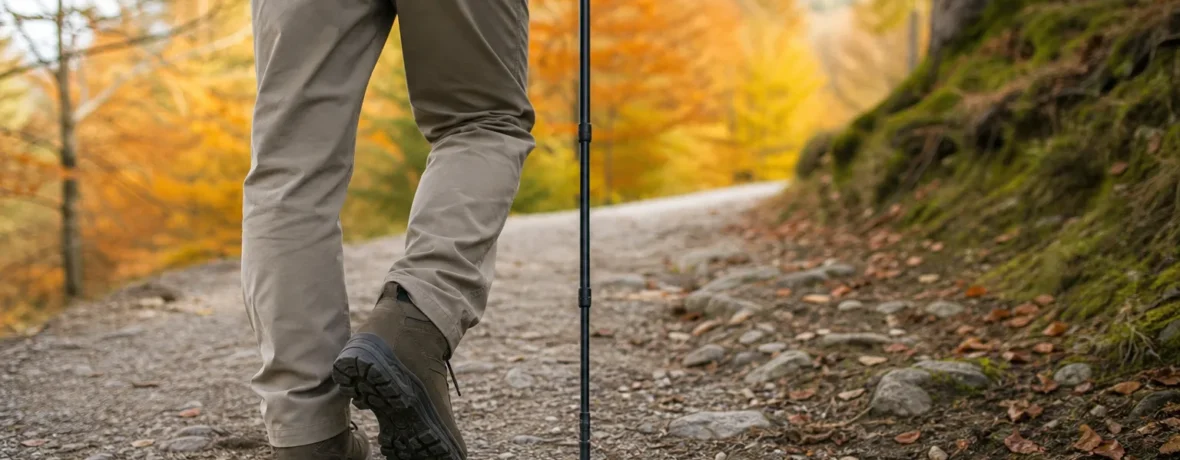
The best hiking boots for seniors are supportive, grippy, easy to lace, and light enough to avoid tiring your legs. Our top overall pick is the Merrell Moab 3 Mid Waterproof because it balances cushioning, traction, width options, ankle coverage, and a manageable 1 lb. 1.45 oz. [495 g] per boot.
We may earn a commission when you buy through links on this page.
Quick Picks: Which hiking boots should seniors try first?
Start with your feet, your trails, and your balance needs. A stable boot that fits your foot beats a famous boot that squeezes your toes or lifts at the heel.
| Category | Model | Weight | Key feature |
|---|---|---|---|
| Best overall | Merrell Moab 3 Mid Waterproof | 1 lb. 1.45 oz. [495 g] per boot | Comfortable, supportive, wide sizes |
| Best budget | Columbia Newton Ridge Plus II Waterproof | 15.9 oz. [452 g] per boot | Budget waterproof leather hiker |
| Best wide toe box | KEEN Targhee IV Waterproof Mid | 20.11 oz. [570 g] per boot | Roomy forefoot and durable outsole |
| Best lightweight support | Salomon X Ultra 5 Mid Gore-Tex | 16 oz. [454 g] per boot | Low weight with firm lateral stability |
| Best cushioning | HOKA Anacapa 2 Mid GTX | 18 oz. [510 g] per boot | Rocker sole and plush underfoot feel |
| Best arch support | Oboz Bridger Mid Waterproof | 19 oz. [538 g] per boot | Supportive insole and sturdy build |
How we chose
We chose these boots by comparing current specs, materials, fit options, manufacturer data, verified owner feedback, and expert reviews. This guide is research-based rather than a wear test. The goal was simple: find real hiking boots that older hikers can actually use on dirt, gravel, roots, wet grass, mild rock, and long park trails.
We gave extra weight to five things: outsole grip, underfoot stability, toe room, cushioning that does not feel mushy, and lacing that lets you fine-tune pressure. Waterproofing helped, but it did not win by itself. A boot that keeps rain out but causes heel blisters is not a good senior hiking boot.
We also looked for models that are widely available in men’s and women’s versions, including wide sizes when possible. Feet change with age. Arches can drop. Toes can spread. Bunions, hammertoes, arthritis, swelling, and orthotics all change how a boot feels after mile 2.
What are the best hiking boots for seniors?
The best hiking boots for seniors are the ones that make you feel steady without making your feet work harder than the trail requires. Below are the standouts.
Merrell Moab 3 Mid Waterproof – Best for most seniors
The Merrell Moab 3 Mid Waterproof suits seniors who want an easygoing boot with proven comfort, solid grip, and less break-in drama than stiff backpacking boots.
- Price tier: Mid-range
- Weight: 1 lb. 1.45 oz. [495 g] per boot
- Waterproofing: Merrell waterproof membrane
- Upper: Pig suede leather and mesh
- Outsole: Vibram TC5+
- Best use: Day hiking, maintained trails, travel walking
The Moab 3 hits the sweet spot. It is not the lightest boot here, and it is not the most technical, but it gives you a cushioned heel, decent torsional support, a protective toe cap, and a familiar fit that works for many feet. The mid height adds ankle coverage without feeling like a ski boot.
Its biggest advantage is comfort straight out of the box. The boot has enough flex for rolling dirt paths and enough sole underfoot for rockier parks. Wide sizes help if your toes need more room or if you wear thicker socks.
The waterproof version is best for damp grass, shallow mud, shoulder-season hikes, and wet sidewalks on travel days. In hot summer weather, the membrane can feel warm. If you mostly hike dry desert or hot packed dirt, the non-waterproof Moab may breathe better.
Pros:
- Friendly fit for many foot shapes
- Wide sizes available
- Good cushioning without a tall, unstable platform
- Vibram outsole gives dependable trail grip
Cons:
- Not as precise on technical rock as Salomon or LOWA
- Waterproof version can run warm
- Mesh panels may wear faster than full leather
- Moderate arch support may not be enough for every orthotic user
Skip it if… you need a very stiff boot for heavy backpacking or steep off-trail terrain.
Columbia Newton Ridge Plus II Waterproof – Best for budget hikers
The Columbia Newton Ridge Plus II Waterproof suits seniors who want a budget waterproof boot for easy to moderate trails, travel, and casual outdoor use.
- Price tier: Budget
- Weight: 15.9 oz. [452 g] per boot
- Waterproofing: Omni-Tech waterproof-breathable construction
- Upper: PU-coated leather, suede, and mesh
- Outsole: Omni-Grip rubber
- Best use: Easy trails, wet walks, occasional hikes
This is the value pick. The Newton Ridge Plus II gives you a classic hiking boot look, a waterproof build, metal hardware at the ankle, and a weight that stays reasonable. It is a good match for a hiker who walks state park trails a few times a month and wants traction better than sneakers.
Do not expect premium support. The midsole is comfortable, but the boot is less structured than the Oboz, LOWA, or Danner-style leather hikers. The outsole is fine for packed dirt, gravel, and moderate slopes, though it is not the stickiest choice for slick roots or wet granite.
The best reason to buy it is simple: you get a real hiking boot without paying premium-boot money. That matters if you are getting back into hiking and do not yet know how much boot you need.
Pros:
- Good value for occasional hikers
- Light for a leather-style waterproof boot
- Easy to wear around town and on trail
- Available in wide sizes in many versions
Cons:
- Less supportive than premium boots
- Traction is not best-in-class on wet rock
- Fit can feel basic if you need precise heel hold
- Materials may not last as long under frequent rocky use
Skip it if… you hike steep, rocky, or muddy trails every week and need a stiffer, more protective boot.
KEEN Targhee IV Waterproof Mid – Best for wide feet and toe room
The KEEN Targhee IV Waterproof Mid suits seniors who want a roomy forefoot, secure mid-height coverage, and a durable boot for mixed day hikes.
- Price tier: Mid-range
- Weight: 20.11 oz. [570 g] per boot
- Waterproofing: KEEN.DRY waterproof membrane
- Upper: Leather and performance mesh
- Outsole: KEEN.RUGGED rubber outsole
- Best use: Day hiking, wider feet, wet trails
KEEN built its reputation on toe room, and the Targhee IV keeps that roomy feel. If your forefoot hates narrow boots, start here. The toe bumper adds protection, and the updated outsole is built for longer wear than older soft-soled KEEN hikers.
The Targhee IV feels more protective than the Columbia and more relaxed than the Salomon. It is a good choice if you want comfort and space over a locked-in technical fit. The cushioning feels springy underfoot, and the waterproofing is useful for wet grass, streamside trails, and mud.
The tradeoff is bulk. This is not the lightest boot, and some hikers with narrow heels may need careful lacing to stop heel lift. Try it with the socks you actually hike in.
Pros:
- Roomy forefoot works well for many aging feet
- Protective toe bumper
- Durable-feeling outsole
- Good comfort for moderate day hikes
Cons:
- Can feel wide for narrow feet
- Heavier than Salomon, Altra, and Columbia
- Not as nimble on technical terrain
- Waterproof membrane may feel warm in summer
Skip it if… your heel is narrow and you usually swim inside roomy boots.
Salomon X Ultra 5 Mid Gore-Tex – Best for lightweight stability
The Salomon X Ultra 5 Mid Gore-Tex suits seniors who want a light, secure boot for uneven trails and downhill control.
- Price tier: Premium
- Weight: 16 oz. [454 g] per boot
- Waterproofing: Gore-Tex
- Upper: PU-coated leather and textile
- Outsole: All Terrain Contagrip
- Best use: Faster day hikes, uneven trails, wet-rock confidence
The X Ultra 5 Mid Gore-Tex is for hikers who still like to move. It gives you a snugger, sportier fit than the Moab or Targhee, with strong side-to-side support and a grippy outsole. On descents, that controlled platform can help you place your feet with more confidence.
This boot is a strong pick if you hike rolling terrain, rocky paths, or trails where a loose boot makes you tense up. The low weight helps too. Heavy boots can fatigue calves and hip flexors faster, especially on longer days.
The fit is the question. Salomon often feels more tapered than KEEN, Merrell, or Altra. If you need a wide toe box, try before committing. If the shape matches your foot, it is one of the best options for stability without bulk.
Pros:
- Excellent weight-to-support ratio
- Secure feel on descents
- Strong traction for mixed terrain
- Protective without feeling clunky
Cons:
- Fit may be too narrow for wide feet
- Less plush than HOKA
- Sporty feel may not suit casual walkers
- Gore-Tex can run warm in hot weather
Skip it if… your toes need a broad, relaxed forefoot or you dislike snug performance footwear.
HOKA Anacapa 2 Mid GTX – Best for cushioning
The HOKA Anacapa 2 Mid GTX suits seniors who want maximum cushioning, a smooth rocker, and a softer ride for long walks on firm trail surfaces.
- Price tier: Premium
- Weight: 18 oz. [510 g] per boot
- Waterproofing: Gore-Tex
- Upper: Nubuck leather and recycled-material mesh
- Outsole: Vibram Megagrip
- Best use: Cushioned day hikes, hard-packed trails, travel walking
Some feet want soft landings. The Anacapa 2 Mid GTX delivers that classic HOKA underfoot feel: thick cushioning, a rockered shape, and less harsh impact on packed dirt and gravel. If your knees complain after long downhill walks, a smoother rolling boot may feel friendlier.
The Vibram Megagrip outsole gives the boot real trail credibility. It is not just a cushioned walking shoe with a tall collar. It can handle maintained trails, damp paths, and rocky park routes.
The caution is platform height. A tall cushioned sole can feel less connected to the ground for hikers who already feel wobbly. Try it indoors and pay attention to side-to-side balance, not just softness.
Pros:
- Excellent cushioning for hard-packed trails
- Rocker helps create a smooth stride
- Vibram outsole adds reliable traction
- Good option for hikers who find traditional boots harsh
Cons:
- Tall sole may feel less stable to some hikers
- Fit can feel unusual if you are used to classic boots
- Not the best choice for scrambling or off-trail use
- Premium price tier
Skip it if… you prefer a low-to-the-ground feel or have trouble balancing on thick-soled shoes.
Oboz Bridger Mid Waterproof – Best for arch support and sturdy footing
The Oboz Bridger Mid Waterproof suits seniors who want a supportive insole, a secure heel, and a sturdier feel for longer day hikes.
- Price tier: Mid-range to premium
- Weight: 19 oz. [538 g] per boot
- Waterproofing: B-DRY waterproof system
- Upper: Nubuck leather and textile
- Outsole: Granite Peak rubber outsole
- Best use: Longer day hikes, light backpacking, hikers who like arch support
The Bridger feels more substantial than the Moab. It has a supportive footbed, a snug heel cup, and enough structure for rocky trails. If soft boots leave your feet tired, the Bridger is worth a look.
Oboz footwear often works well for hikers who like noticeable arch support out of the box. That can be great. It can also be too much. If you use custom orthotics, check that the boot has enough internal volume once the original insole comes out.
This is a strong choice for hikers who carry a daypack with water, layers, snacks, and poles. The boot has enough backbone for longer routes without jumping all the way into heavy backpacking footwear.
Pros:
- Supportive insole stands out
- Good heel hold
- Sturdy feel on rougher maintained trails
- Protective upper and toe area
Cons:
- Arch support may feel too aggressive for some feet
- Needs more break-in than softer boots
- Less breezy in warm weather
- Can feel firm compared with HOKA
Skip it if… you want a soft, flexible boot with minimal arch shape.
Altra Lone Peak 9 Waterproof Mid – Best for natural toe splay
The Altra Lone Peak 9 Waterproof Mid suits seniors who want a wide toe box, low weight, and a zero-drop platform for a more natural foot position.
- Price tier: Mid-range to premium
- Weight: 15.95 oz. [452 g] per boot
- Waterproofing: Hydroguard waterproof membrane
- Upper: Waterproof upper with mesh and overlays
- Outsole: MaxTrac
- Best use: Lightweight hiking, wide forefeet, thru-hike style comfort
The Lone Peak 9 Waterproof Mid feels more like a trail runner with ankle coverage than a traditional hiking boot. That can be excellent for hikers who hate stiff footwear. The toe box lets toes spread, which can reduce pressure on bunions and crowded forefeet.
The zero-drop design means the heel and forefoot sit at the same height. Some hikers love that balanced feel. Others need time to adapt because calves and Achilles tendons may work differently than they do in raised-heel boots. Do not make your first hike in zero-drop footwear a 9-mile [14.5 km] rocky loop.
This is the lightest-feeling option for hikers who want room and flexibility. It is not the best choice if you need firm ankle structure or a stiff sole under a heavy pack.
Pros:
- Wide toe box allows toe splay
- Light and flexible
- Good for hikers who dislike stiff boots
- Waterproof build adds foul-weather use
Cons:
- Zero-drop feel takes adjustment
- Less underfoot stiffness than traditional boots
- Not ideal for heavy loads
- Waterproof trail-runner style may wear faster on sharp rock
Skip it if… your doctor, physical therapist, or podiatrist has told you to avoid zero-drop footwear or sudden changes in heel height.
LOWA Renegade EVO GTX Mid – Best premium support
The LOWA Renegade EVO GTX Mid suits seniors who want a premium, supportive leather boot for long day hikes and rugged maintained trails.
- Price tier: Premium
- Weight: 20.8 oz. [590 g] per boot
- Waterproofing: Gore-Tex
- Upper: Nubuck leather
- Outsole: Vibram rubber
- Best use: Long day hikes, rocky trails, hikers who want a refined fit
The Renegade EVO GTX Mid is for hikers who want structure. It feels more precise and supportive than most soft day hikers, with a high-quality leather upper and a stable platform. If you have used older European hiking boots and liked that controlled feel, LOWA belongs on your shortlist.
This boot makes sense for rocky trails, mountain parks, and hikers who carry more than a tiny waist pack. It also offers the kind of long-wearing build that can pay off if you hike often.
The downside is stiffness and cost. It may need a real break-in period, and it is more boot than many casual hikers need. If most of your miles are paved greenways and flat nature paths, you can go lighter and softer.
Pros:
- Excellent support for rugged day hikes
- Durable nubuck leather upper
- Stable underfoot platform
- Premium fit and finish
Cons:
- Premium price tier
- More break-in than lighter boots
- Heavier than several picks here
- Overbuilt for easy walking paths
Skip it if… you want a soft, light boot for short, flat walks.
Danner Mountain 600 EVO 4.5" GTX – Best recraftable leather boot
The Danner Mountain 600 EVO 4.5" GTX suits seniors who like leather boots, Vibram grip, and the option to resole or recondition footwear instead of replacing it quickly.
- Price tier: Premium
- Weight: 1 lb. 5.6 oz. [612 g] per boot
- Waterproofing: Gore-Tex
- Upper: Full-grain leather
- Outsole: Vibram Megagrip with Traction Lug
- Best use: Leather-boot comfort, mixed trails, hikers who value resoling
The Mountain 600 EVO feels like a bridge between old-school leather hikers and modern cushioned trail boots. The full-grain leather upper gives it a sturdy feel, while the Vibram midsole and outsole keep it from feeling like a stiff mountaineering boot.
This is a good pick if you want a boot that looks normal off trail but still has real traction. It also stands out because it is recraftable, which can appeal if you prefer repairing good gear over replacing it.
It is heavier than the Moab, Salomon, Altra, and Columbia picks. That weight buys leather durability and support, but it may be too much if you prioritize easy leg turnover.
Pros:
- Full-grain leather upper
- Vibram Megagrip traction
- Recraftable construction
- Good trail-to-town versatility
Cons:
- Heaviest boot on this list
- Premium price tier
- Leather needs care after wet hikes
- May feel bulky for short walks
Skip it if… you want the lightest possible boot or have trouble lifting heavier footwear over roots and rocks.
How should seniors choose hiking boots?
Fit comes first. Then traction. Then support. Everything else is secondary.
Do seniors need hiking boots or hiking shoes?
Seniors need hiking boots when trails are uneven, wet, rocky, or rooty; hiking shoes can work for smoother paths. A mid boot gives more ankle coverage and can feel more secure, but it is not a magic brace.
If you use trekking poles, have strong ankles, and mostly hike packed dirt, a low hiking shoe may be enough. If you hike loose gravel, carry a pack, or feel more confident with ankle coverage, choose a mid boot.
| Choose this | Best for | Watch out for |
|---|---|---|
| Low hiking shoe | Flat trails, warm weather, travel | Less ankle coverage |
| Mid hiking boot | Uneven trails, wet grass, light packs | Can run warmer |
| Stiffer backpacking boot | Rocky trails, heavy loads, long trips | More weight and break-in |
What fit features matter most for older feet?
Older feet usually need more toe room, secure heel hold, and easy pressure adjustment. Your toes should not hit the front on descents, and your heel should not lift with every step.
Use this fit checklist in the store or at home:
- Try boots late in the day, when feet are slightly swollen.
- Wear your hiking socks and any orthotics or insoles.
- Leave thumb-width space in front of the longest toe.
- Walk down a ramp or stairs; toes should not jam forward.
- Check heel lift; slight movement is okay, rubbing is not.
- Make sure the toe box does not squeeze bunions or hammertoes.
- Retie the boot twice before judging fit. Lacing changes everything.
The National Institute on Aging recommends shoes with good fit, proper support, nonskid soles, toe room, and appropriate heel and arch support for older adults.
How much ankle support do seniors really need?
You need enough ankle support to feel steady, but not so much stiffness that you trip over the boot. A mid boot adds coverage and structure, yet balance still comes from fit, traction, strength, and careful foot placement.
For many senior hikers, the best setup is a mid-height boot plus trekking poles. The boot helps your foot feel planted. The poles add two more points of contact. That combo can feel much more stable on uneven dirt than boots alone.
The CDC advises older adults to wear sturdy, nonslip footwear that fits correctly to help with balance and mobility. That lines up perfectly with hiking boot selection: skip floppy soles, slick bottoms, and sloppy fit.
Are waterproof hiking boots better for seniors?
Waterproof boots are better for wet grass, mud, shallow puddles, and cool weather, but they are not always better for hot dry hikes. A waterproof membrane keeps outside water out, but it also traps more heat than airy mesh.
Choose waterproof boots if you hike in:
- Morning dew
- Rainy shoulder seasons
- Muddy forest trails
- Cool mountain conditions
- Wet travel destinations
Choose breathable non-waterproof footwear if you hike in:
- Hot desert weather
- Dry packed dirt
- Humid summer conditions
- Routes where wet feet can dry quickly
Waterproof boots also need drying time. Pull the insoles after a wet hike. Loosen the laces. Let the boots air-dry away from heaters, fireplaces, and direct high heat.
What outsole grip should you look for?
Look for rubber outsoles with defined lugs, edge bite, and enough spacing to shed dirt. Smooth soles are for sidewalks, not trails.
For senior hikers, traction is not just performance. It is confidence. A good outsole lets you step onto damp boards, gravel, and packed dirt without stiffening your whole body in fear of sliding. That relaxed stride matters.
Deep lugs help in mud. Stickier rubber helps on wet rock. Wider sole contact can feel stable on gravel. No outsole grips everything, so slow down on wet roots, algae-covered rock, leaf piles, and icy wooden steps.
How heavy should hiking boots be for seniors?
Most senior day hikers should start with boots under 21 oz. [595 g] per boot unless they need extra structure. Lighter boots reduce leg fatigue, but ultra-flexible footwear can feel less stable on rough ground.
Here is the practical range:
- Under 16 oz. [454 g]: very light, often more shoe-like
- 16-20 oz. [454-567 g]: sweet spot for many day hikers
- 20-24 oz. [567-680 g]: sturdier, more protective, more tiring
- Over 24 oz. [680 g]: usually best for backpacking, rough terrain, or specialty use
If you shuffle your feet when tired, be careful with heavy boots. Extra weight can catch on roots and rocks. If you feel unstable in flexible shoes, accept a little more weight for support.
How do you break in hiking boots safely?
Break in hiking boots gradually. Your feet, socks, insoles, and lacing all need time to work together.
- Wear the boots indoors for 30-60 minutes with hiking socks.
- Walk around the block for 15-20 minutes.
- Retie the laces and check for heel rub, toe pressure, or arch pain.
- Do a 1-2 mile [1.6-3.2 km] easy walk on dirt or gravel.
- Add gentle hills before rocky terrain.
- Tape hot spots before they become blisters.
- Use the boots on a short hike before wearing them on a long trip.
For blister prevention, fit and moisture control matter. The Wilderness Medical Society notes that blister prevention is helped by proper footwear, a dry foot environment, and a wicking sock system in its wilderness wound management guidance.
When to see a doctor
See a doctor if foot pain, numbness, tingling, wounds, swelling, or balance problems affect your hiking or daily walking. Boots can improve comfort and traction, but they cannot fix medical issues.
Call your health care provider before pushing longer hikes if you have new foot numbness, burning pain, unexplained weakness, repeated falls, skin wounds that are slow to heal, or diabetes-related foot concerns. Mayo Clinic says to seek medical care right away for tingling, weakness, or pain in the hands or feet related to possible peripheral nerve problems, and its blister first-aid guidance says signs of infection include spreading color changes, increasing pain, pus, or warm skin.
If you use a cane, walker, brace, custom orthotic, or ankle support, ask your clinician, podiatrist, or physical therapist whether your hiking boots work with that device. Bring the boots to the appointment. That beats guessing.
What is the best way to test hiking boots at home?
Test hiking boots on clean indoor floors before taking them outside. Once the outsole is dirty, returns usually get harder.
Do this simple home test:
- Put on your hiking socks, insoles, and the boots.
- Lace from the toes up, snug but not tight.
- Stand for 5 minutes and feel for pressure points.
- Walk up and down stairs.
- Step onto a thick book or low stair to mimic uphill walking.
- Walk downhill on stairs and check toe jam.
- Stand on one foot near a counter for support and feel side stability.
- Remove the boots and check your feet for red spots.
Red spots are early warnings. A little pressure at minute 10 can become a miserable blister by mile 4. Do not assume a painful boot will magically become perfect.
Comparison table: which boot matches your trail style?
Match the boot to the hike you do most often, not the once-a-year epic you imagine. You can always rent, borrow, or buy heavier boots later if your hiking changes.
| Model | Best match | Weight per boot | Fit feel |
|---|---|---|---|
| Merrell Moab 3 Mid Waterproof | Most senior day hikers | 1 lb. 1.45 oz. [495 g] | Comfortable, familiar, moderate room |
| Columbia Newton Ridge Plus II Waterproof | Budget and occasional hikes | 15.9 oz. [452 g] | Classic, simple, easygoing |
| KEEN Targhee IV Waterproof Mid | Wide forefeet | 20.11 oz. [570 g] | Roomy toe box |
| Salomon X Ultra 5 Mid Gore-Tex | Lightweight stability | 16 oz. [454 g] | Snug, sporty, secure |
| HOKA Anacapa 2 Mid GTX | Cushioned long walks | 18 oz. [510 g] | Plush, rockered, high-stack |
| Oboz Bridger Mid Waterproof | Arch support and sturdy trails | 19 oz. [538 g] | Supportive, structured |
| Altra Lone Peak 9 Waterproof Mid | Wide toe splay and low weight | 15.95 oz. [452 g] | Roomy, flexible, zero-drop |
| LOWA Renegade EVO GTX Mid | Premium support | 20.8 oz. [590 g] | Precise, supportive, sturdy |
| Danner Mountain 600 EVO 4.5" GTX | Recraftable leather boot | 1 lb. 5.6 oz. [612 g] | Leather, cushioned, substantial |
Related reading
- How to Clean Hiking Boots Without Ruining Leather or Membranes
- Hiking Shoes vs Hiking Boots: Which Should You Buy?
- How Should Hiking Boots Fit? The Thumb Rule and Other Checks
- How to Break In Hiking Boots (and How Long It Takes)
FAQ
What are the best hiking boots for seniors with balance problems?
The best hiking boots for balance problems have nonslip rubber outsoles, secure heel hold, moderate cushioning, and a stable midsole. Start with the Merrell Moab 3 Mid Waterproof, Salomon X Ultra 5 Mid Gore-Tex, or Oboz Bridger Mid Waterproof, then choose the one that feels most secure on stairs.
Are lightweight hiking boots better for seniors?
Lightweight hiking boots are better if heavy footwear makes you tired or causes toe catching. Do not go so light that you lose support; many seniors do well in the 16-20 oz. [454-567 g] per boot range.
Should seniors buy waterproof hiking boots?
Seniors should buy waterproof hiking boots for wet grass, rain, mud, and cool-weather hiking. For hot, dry climates, breathable non-waterproof footwear may be more comfortable and may reduce sweat-related rubbing.
How should hiking boots fit older feet?
Hiking boots should hold the heel securely, leave room for toes to spread, and prevent toe jamming on descents. Try them late in the day with hiking socks and orthotics, then walk stairs before keeping them.
Are high-top boots safer than mid hiking boots?
High-top boots are not automatically safer. A mid boot with great fit, traction, and underfoot stability is often better than a tall boot that is heavy, stiff, or sloppy around the heel.
Can seniors hike in trail running shoes instead of boots?
Yes, seniors can hike in trail running shoes on smooth, dry, well-maintained trails if they feel stable and supported. Choose boots instead for ankle coverage, wet conditions, rough terrain, or when carrying a heavier pack.
How often should seniors replace hiking boots?
Replace hiking boots when the outsole lugs are worn smooth, the midsole feels flat, the upper no longer holds your foot, or the boot causes new pain or rubbing. Even a good-looking boot can be done if it no longer supports your stride.