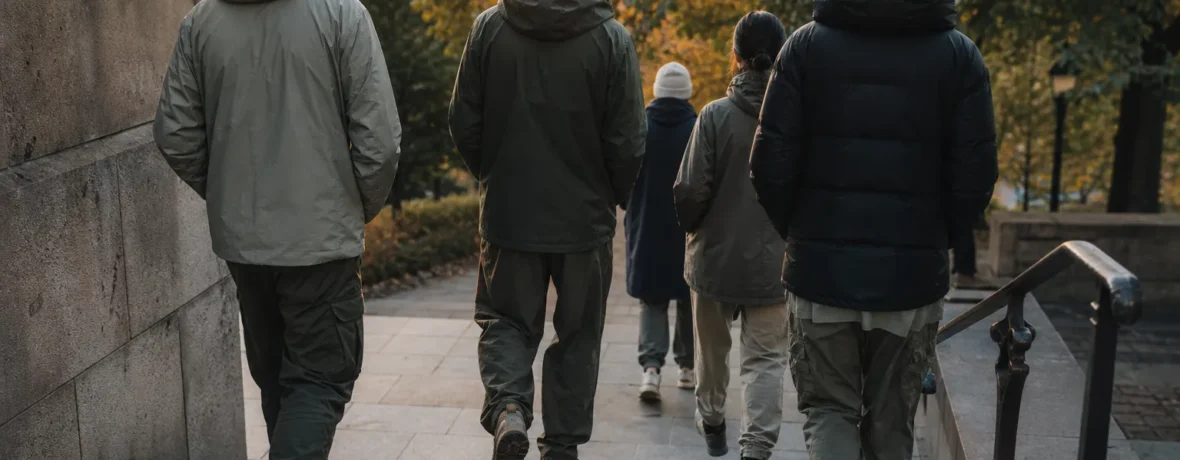
Hiking fashion became mainstream because outdoor gear solved real problems: rain, cold, storage, traction, and comfort. Yes, gorpcore looks good when it respects function first. The condition is simple: if a piece would fail on a 5-mile [8 km] trail, it is costume, not trail-born style.
Here’s the blunt take: gorpcore is not ruining hiking gear. Bad buying is. A fleece in a coffee shop is harmless. A $600 shell treated like a personality is funny. The real line is performance honesty. Wear the gear anywhere you want, but do not confuse the look of preparedness with being prepared.
What is gorpcore, really?
Gorpcore is outdoor utility worn as everyday style.
The term took off after Jason Chen’s 2017 piece for The Cut on gorpcore, where trail-coded clothing showed up in city wardrobes: fleece, puffers, parkas, hiking boots, and weatherproof shells. “Gorp” points back to trail mix, often explained as “good old raisins and peanuts,” though the word has a messier campfire history than the acronym suggests.
What makes the trend stick is not mystery. Outdoor clothes are practical. They have zippers where you need them. They layer. They survive weather. They often look better after use, not worse. That is catnip for a culture tired of delicate clothes and fake polish.
The problem starts when function gets flattened into a logo hunt. A rain shell is not better because someone wore it front row at fashion week. Trail shoes are not magic because they look aggressive. Good gear earns its place by doing the job.
Why did hiking fashion move from trail to street?
Hiking fashion moved to the street because utility finally beat polish.
People want clothes that work through a long day. Commutes, dog walks, wet sidewalks, school pickup, cold offices, weekend trails: the same fleece can touch all of it. That is why the outdoor wardrobe crossed over. It solves daily friction.
The outdoor market gave fashion something fashion had been faking for years: purpose. A brim keeps sun off your face. A shell blocks wind. A midlayer traps heat. A waist belt moves weight off your shoulders. Those details were not designed for a mirror. That is exactly why they look good.
Outdoor participation also keeps feeding the look. The Outdoor Industry Association’s 2026 Hiking Report says 63.4 million Americans are hitting the trails. When that many people hike, hike-adjacent clothing naturally spills into airports, offices, campuses, bars, and grocery aisles.
The opinion here is simple: this crossover is mostly healthy. If a trail runner gets someone walking more, fine. If a fleece makes a first-time hiker feel like they belong outdoors, even better. Gatekeeping gear is lazy. But selling the uniform of competence without the habits behind it? That deserves a side-eye.
Is gorpcore good or bad for hikers?
Gorpcore is good for hikers when it funds better gear and welcomes more people outside.
More attention can mean better fits, more sizes, better colors, more used-gear markets, and more people realizing that jeans are miserable in a cold rain. That is good. The old “real hikers don’t care what they wear” line was always half nonsense. Real hikers care deeply. They care about seams, cuffs, pockets, socks, vents, and whether a hood turns with their head.
But trend pressure can twist priorities. You start seeing heavy shells worn in dry heat, oversized packs with nothing in them, and technical pants designed more for product photos than rock, mud, or brush. That is not trail culture. That is costume design.
| Trail function | Fashion version | Column verdict |
|---|---|---|
| Waterproof shell for wind and rain | Glossy logo jacket worn year-round | Good if breathable and packed when weather turns |
| Fleece midlayer for warmth | Boxy fleece as a statement piece | Still useful; fleece has earned its fame |
| Trail runners for grip and quick movement | Chunky sneakers with trail styling | Check traction before trusting them off pavement |
| Cargo pockets for map, snacks, gloves | Pocket-heavy pants with poor fabric | Skip if they chafe, sag, or soak through |
What hiking gear actually belongs in everyday style?
The best crossover pieces are the ones that still work outdoors.
If you want the look without playing pretend, start with the basics hikers already trust. Build from function, then let style happen. The REI guide to layering basics breaks clothing into three jobs: base layers manage moisture, middle layers insulate, and outer layers block wind and rain. That system works on a ridge and on a cold walk to the train.
- Start with shoes. Choose trail runners or hiking shoes that fit your foot, not your feed. If they rub in the store, they will punish you on dirt.
- Add one honest midlayer. A fleece, wool sweater, or light synthetic jacket is the easiest way to bring trail function into daily wear.
- Use a shell only when weather calls for it. Waterproof jackets are tools. Wearing one in warm, dry conditions can turn you into a walking condensation bag.
- Pick pants that move. Look for gussets, stretch, secure pockets, and fabric that dries faster than denim.
- Keep the colors personal. Earth tones are not required. Bright alpine colors exist for a reason: visibility.
That is the sweet spot. You can look sharp and still be able to take an unplanned dirt path without babying your clothes.
How do you wear gorpcore without looking like you raided a gear closet?
Wear one or two technical pieces at a time.
Head-to-toe alpine kit looks strange when your biggest exposure is a latte line. You do not need a mountaineering shell, expedition fleece, gaiters, cargo pants, wraparound sunglasses, and a 40-liter pack to buy bagels. Pull back. Let one piece carry the outdoor signal.
- Pair trail shoes with plain pants and a cotton overshirt.
- Wear a fleece under a simple chore coat instead of stacking logos.
- Use a small daypack when you actually need to carry layers, water, and snacks.
- Choose technical pants with a clean cut, not 14 dangling straps.
- Keep your shell packed until wind or rain shows up.
For the trail, reverse the logic. Function gets the vote. Style can come along, but it rides in the back seat. A cute outfit that leaves you cold, blistered, sunburned, or soaked is not a win. It is bad planning with better photos.
What should hikers protect as outdoor gear gets fashionable?
Hikers should protect the ethic behind the clothes.
The best outdoor style is not the jacket. It is restraint. It is knowing when to stay on durable surfaces, pack out trash, yield, keep noise down, and leave wildlife alone. The Leave No Trace 7 Principles are more central to trail culture than any fleece ever made.
This is where the trend needs a spine. If fashion borrows from hiking, it should borrow the responsibility too. Do not use public land as a backdrop and ignore the rules of the place. Do not trample meadows for a photo. Do not act like access is an aesthetic.
And buy less. That may sound odd in a fashion column, but it is the point. Outdoor gear is supposed to last. The most convincing hiking fashion is a jacket with years on it, pants with a scuffed cuff, a pack that has carried lunch and rain layers more than once. New gear is fun. Worn gear tells the truth.
Related reading
- Type 2 Fun: Why Hard Hikes Feel Good Later
- The Seven Summits Explained
- What Is Geocaching?
- What Is Hiking, Really? A Definition Worth Arguing About
FAQ
What does gorpcore mean?
Gorpcore means wearing outdoor and hiking-inspired gear as everyday fashion. Think fleece jackets, trail shoes, shells, cargo pants, vests, and daypacks styled beyond the trail.
Is hiking fashion the same as outdoor gear?
No. Hiking fashion borrows the look of outdoor gear, while outdoor gear must perform in weather, terrain, and movement. The best pieces do both.
Can you wear gorpcore on an actual hike?
Yes, if the clothing is functional and suited to the conditions. Check fit, fabric, traction, warmth, rain protection, and packability before trusting any trend piece on trail.
What is the easiest gorpcore item to wear?
A fleece is the easiest starting point. It works as a midlayer, looks natural in town, and does not require you to dress like you are crossing a glacier.
What should beginners avoid buying first?
A pricey technical shell should not be your first move unless you hike in wet or windy conditions often. Start with comfortable shoes, moisture-managing layers, and a simple daypack.
Is gorpcore just a trend?
The name may fade, but the clothing will not. Useful garments have staying power because weather, movement, and comfort never go out of style.