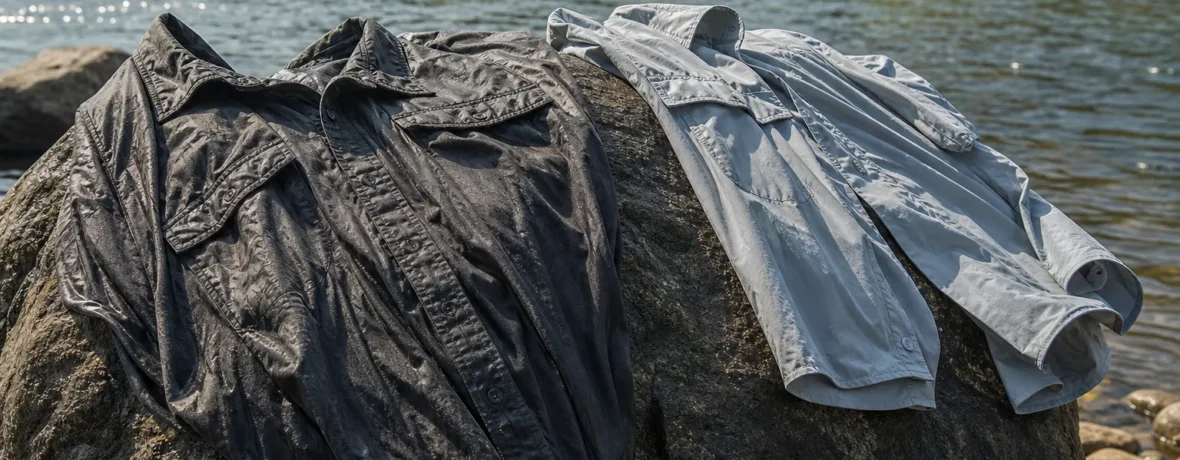
Cotton kills is a useful warning, not a law. Cotton becomes dangerous when it gets wet in cold, windy, or exposed conditions because it holds moisture against your skin and steals heat. In hot, dry weather, cotton can be comfortable and safe. The rule is: no wet cotton when you cannot get warm fast.
The phrase cotton kills has been barked at hikers for decades. It sounds dramatic because it is meant to. It turns a messy backcountry judgment call into a slogan you can remember when you are packing at 11 p.m.
But slogans are blunt tools. Cotton does not reach out and hurt you. Bad conditions, poor layering, sweat, rain, wind, fatigue, and a slow response to cold do that. Cotton just makes the problem worse when moisture and cold stack up.
So here is the position: treat “cotton kills” as a field rule for cold, wet, windy, high, remote, or shoulder-season hiking. Do not treat it as a universal ban on every cotton shirt, bandana, or town-day hoodie. Context matters. Conditions matter more.
Why do hikers say cotton kills?
Hikers say it because wet cotton can speed heat loss and make hypothermia more likely.
Cotton fibers absorb and hold water. Once soaked by sweat, rain, sleet, stream crossings, or wet brush, cotton dries slowly compared with common hiking fabrics like polyester, nylon, fleece, and wool. That damp layer sits on your skin. Add wind, dropping temperatures, and a tired hiker who stops moving, and you have a real problem.
The health risk is hypothermia, which happens when the body loses heat faster than it can produce it. Mayo Clinic defines hypothermia as a body temperature below 95°F [35°C] and lists cold weather and cold-water exposure as common causes; its first-aid guidance includes gently removing wet clothing and getting medical help when hypothermia is suspected. Read the Mayo Clinic hypothermia first-aid guidance.
The CDC also warns that hypothermia can happen at cool temperatures above 40°F [4°C] if a person is wet from rain, sweat, or cold water and becomes chilled. That is the sentence every hiker should remember. You do not need a polar expedition for cotton to become a liability. A windy lunch break in soaked clothes can be enough. See the CDC guidance on preventing hypothermia.
Is cotton ever OK for hiking?
Yes, cotton can be OK for low-risk hiking in warm, dry conditions.
On a short desert walk, a shaded summer ramble, or a casual front-country trail where you can turn around fast, cotton is not automatically reckless. In hot, dry weather, cotton’s moisture-holding habit can even feel good because it slows drying and offers evaporative cooling.
The problem is that many hikes change character. Morning sun becomes afternoon thunder. A sweat-soaked climb becomes a windy ridge. A “quick” walk turns into a twisted ankle and a two-hour wait. Cotton is least forgiving when your margin shrinks.
Use this simple comparison:
| Condition | Cotton risk | Better choice |
|---|---|---|
| Hot, dry, short trail | Low | Cotton or sun shirt |
| Cool rain or wet brush | High | Synthetic or wool layers |
| Windy ridge after sweating | High | Dry base layer plus shell |
| Winter, shoulder season, or remote route | Very high | No cotton next to skin |
What should you wear instead of cotton on a hike?
Wear synthetic or wool layers that manage moisture and keep insulating better when damp.
For most hiking, your clothing system should move sweat away from your skin, dry quickly, block wind when needed, and keep warm air trapped around your body. That does not require fancy gear. It requires the right jobs in the right order.
- Start with a non-cotton base layer. Polyester, nylon blends, and merino wool are common choices. This is the layer that touches your skin, so it matters most.
- Add insulation you can vent. Fleece, active insulation, or a puffy jacket works better than a cotton sweatshirt when conditions get cold.
- Carry a wind or rain shell. Wind can strip heat fast from damp clothing. A shell buys you time.
- Pack one dry layer for stopping. A dry top in a waterproof bag can turn a bad break into a manageable one.
- Change before you chill. Do not wait until your hands are clumsy and your thinking is slow.
For socks, skip cotton almost all the time. Wet cotton socks soften skin, increase friction, and stay damp. Wool or synthetic hiking socks are a boring upgrade. Boring is good. Boring gets you home.
When is cotton most dangerous on the trail?
Cotton is most dangerous when it is wet, the air is cool, and you cannot get warm quickly.
The classic danger zone is not just deep winter. It is the shoulder-season trap: 45°F [7°C], drizzle, sweat from a climb, gusty wind, then a long stop. You are warm while moving, then cold hits hard when you stop. That is when a wet cotton T-shirt becomes a heat thief.
Be strict about avoiding cotton in these situations:
- Cold rain, sleet, snow, or wet brush
- Temperatures near or below 50°F [10°C] with wind
- Alpine ridges, exposed summits, and long descents
- Trips where rescue or a warm car is not close
- Any hike with stream crossings or cold-water exposure
- Backpacking, winter hiking, and shoulder-season day hikes
The CDC notes that immersion hypothermia can occur in water below 70°F [21°C], which covers plenty of mountain streams, lakes, and shoulder-season crossings. Read the CDC cold-stress guidance.
What should you do if your cotton clothes get wet while hiking?
Stop the heat loss first, then get dry, insulated, fed, and moving only if it is safe.
Do not tough it out because the trailhead is “only” a few miles away. Cold injuries often start with denial. You feel annoyed before you feel scared. Act while you still have good hands and a clear head.
- Get out of wind and rain. Step behind trees, a boulder, or into a shelter if one is nearby.
- Remove wet cotton if you have dry layers. Swap into a dry base layer, fleece, or jacket.
- Add insulation under and over you. Sit on a pack, foam pad, or spare clothing. Put on a hat and shell.
- Eat and drink if you are alert and able. Calories help your body make heat.
- Decide early: turn back, shelter, or call for help. Waiting usually narrows your options.
The Wilderness Medical Society hypothermia guidelines discuss field evaluation and treatment of accidental hypothermia, including careful handling and evacuation decisions for more serious cases. For regular hikers, the takeaway is plain: prevent the spiral, and do not treat confusion or collapse as normal trail fatigue.
When to see a doctor
Get medical help right away if hypothermia, frostbite, or serious cold exposure is possible.
Call 911 or local emergency services if someone has confusion, slurred speech, unusual clumsiness, extreme shivering that stops, severe drowsiness, loss of consciousness, or skin that looks waxy, numb, very pale, gray, or blue. Do not diagnose on the trail. Treat the situation as urgent and get professional help.
If a hiker rewarmed and seems fine but had prolonged cold exposure, fell into cold water, had altered thinking, or has persistent numbness or pain, medical evaluation is still the smart move. Cold injuries can be sneaky, and pride is a lousy thermometer.
So what is the real cotton rule?
The real rule is: cotton is fine only when getting wet will not trap you cold.
That is less catchy than “cotton kills,” but it is more useful. If the hike is short, warm, dry, and close to safety, cotton may be a comfort choice. If the hike is cold, wet, windy, high, remote, or long enough for weather to change, leave cotton off your skin and out of your core layers.
Use the slogan as a red flag, not a religion. Cotton does not kill every hiker who wears it. But wet cotton has helped many hikers get cold faster than they expected. That is enough reason to respect the warning.
Related reading
- Type 2 Fun: Why Hard Hikes Feel Good Later
- The Seven Summits Explained
- What Is Geocaching?
- What Is Hiking, Really? A Definition Worth Arguing About
FAQ
Does cotton really kill hikers?
No, cotton itself does not kill hikers. The danger is wet cotton in cold, windy, or exposed conditions because it can accelerate heat loss and raise the risk of hypothermia.
Is a cotton T-shirt bad for a summer hike?
Not always. A cotton T-shirt can be fine on a hot, dry, low-commitment hike where you can get back to shelter quickly, but it is a poor choice for cool rain, wind, high elevation, or changing weather.
Are jeans bad for hiking?
Jeans are usually a bad hiking choice outside warm, dry, casual trails. Denim is cotton, so it gets heavy, dries slowly, restricts movement when wet, and can chill you fast in poor weather.
Is wool better than cotton for hiking?
Yes, wool is usually better than cotton for hiking layers. Merino wool manages moisture better, smells less after repeated wear, and keeps insulating better when damp.
What is the best base layer for hiking?
The best base layer is usually polyester, nylon blend, or merino wool. Pick a light layer for warm conditions and a heavier one for cold hikes, but keep cotton away from your skin when wet or cold weather is possible.
Can I pack a cotton hoodie for camp?
Only if conditions are warm, dry, and low-risk. For backpacking or cold evenings, a fleece or puffy jacket is safer because it insulates better and dries faster if damp.