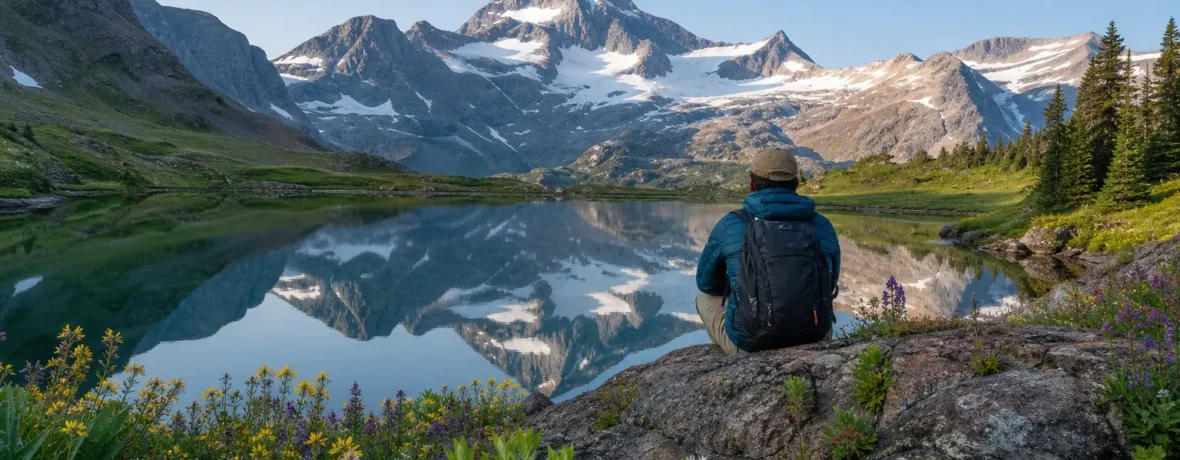
When is the best time to visit Glacier National Park? For most hikers, the best window is mid-July through mid-September, when high-country trails are usually passable, Going-to-the-Sun Road is typically open, and daytime weather is warm enough for long hikes. Go in September if you want fewer crowds and crisp fall air.
When is the best time to visit Glacier National Park?
Mid-July to mid-September is the best time for hiking Glacier National Park.
That window gives you the strongest shot at open alpine trails, drivable access to Logan Pass, open park services, and long daylight. Glacier is not a place where “summer” means guaranteed trail access in June. Snow can linger high, creek crossings can run fast, and famous routes like the Highline Trail may still hold hazards early in the season.
If you want the cleanest answer: choose late July or August for maximum access. Choose September for a better balance of hiking, scenery, and sanity. The trade-off is simple. July and August give you the fullest version of the park. September gives you a quieter, sharper-edged version, with colder mornings and a real chance of early snow.
What is the best month to visit Glacier National Park for hiking?
August is the best single month for most hikers.
By August, snow has usually melted from many high routes, backcountry bridges and campgrounds are more likely to be in summer shape, and the classic big-day hikes become more realistic. The National Park Service says snow drift blasting and trail work are usually completed by the end of July, and that August 1 through August 31 is generally the park’s “Accessible High Country” period on its Glacier trail status reports page.
August also brings crowds. Big ones. Parking lots can fill early, trailheads get busy, and popular spots like Logan Pass, Avalanche Lake, and Many Glacier feel nothing like wilderness at 10 a.m. Start before sunrise, carry your patience, and have a Plan B trail ready.
| Month | Best For | Watch For |
|---|---|---|
| June | Waterfalls, low-elevation hikes, biking closed road sections | Snowy high trails, limited services, road delays |
| July | Wildflowers, long days, improving alpine access | Heavy crowds, lingering snow early in the month |
| August | Best all-around hiking access | Full parking lots, heat, smoke risk |
| September | Fewer crowds, cooler hiking, fall color | Cold mornings, shorter days, possible snow |
Is July or August better for Glacier National Park?
August is better for hiking access; July is better for wildflowers and long daylight.
Early July can still feel like spring in the high country. You may find snowfields near passes, wet trails, and closed sections where crews are still clearing hazards. By late July, the park usually starts to open up in a big way. August is more dependable if your trip revolves around hikes like Highline, Grinnell Glacier, Siyeh Pass, or Swiftcurrent Pass.
Pick July if you love green meadows, roaring water, and peak summer energy. Pick August if your priority is getting onto high trails with fewer snow complications. Neither month is quiet. Glacier’s busiest season runs May through September, according to the park’s operating hours and seasons guidance.
When is Going-to-the-Sun Road open?
Going-to-the-Sun Road is typically fully open by early July, but there is no fixed opening date.
This road controls the rhythm of a Glacier trip. When the alpine section over Logan Pass is closed, your travel plan changes fast. The lower sections stay open longer, but the full 50-mile [80 km] crossing depends on snowpack, plowing, avalanches, rockfall, and weather.
The National Park Service says the alpine portion has no set opening date and is typically fully open by early July; it is usually fully open until the third Monday in October, weather permitting. In 2026, the full road opened for the season on June 22, according to the NPS Going-to-the-Sun Road opening announcement. Always check the current road, trail, and campground status before you drive.
As of November 2026, NPS says vehicle reservations are not required anywhere in Glacier for the 2026 season, while Logan Pass has a ticketed-only shuttle system and three-hour limited parking during the summer shuttle season. Check the official Glacier vehicle reservations page before planning a future trip, since access rules can change by year.
When is Glacier National Park least crowded?
Late September, October, and spring are the least crowded times to visit Glacier.
That does not mean they are the easiest times. Less crowding comes with fewer services, colder weather, shorter days, and more uncertainty. In spring, many roads and high trails are still snowed in. In October, storms can shut down alpine travel with little warning.
If you want fewer people without giving up too much hiking, target the first half of September. The park still has a summer feel on good days, but mornings bite harder, kids are back in school, and the light turns golden. It is one of the best windows for strong hikers who do not need every lodge, boat tour, and food stop running at full summer speed.
Is September a good time to visit Glacier National Park?
Yes, September is one of the best times to visit Glacier National Park.
September gives you cooler hiking temperatures, lower crowds, active wildlife, and fall color in the valleys. Larches can turn gold later in the season, especially along the park’s edges and nearby forests. The air often feels clearer, the angles of light get dramatic, and long hikes hurt less when you are not baking in August sun.
Pack like it can snow, because it can. The park’s trail guidance says some Septembers are as nice as August, but the chance of significant snowfall rises after September 1. Seasonal bridges may be removed by late September, and bears are especially active as they feed heavily before winter.
What is the worst time to visit Glacier National Park?
There is no bad month, but late spring is the trickiest for hikers chasing classic alpine trails.
May and early June can be gorgeous down low, with fresh greenery, big water, and snow on the peaks. But if your dream trip depends on Logan Pass, the Highline Trail, or high backcountry routes, this window can disappoint. Many upper trails are still buried or unstable, and services may be limited until late May or early June.
Winter is a different animal. The park is open year-round, but access is limited, avalanche terrain matters, and you need cold-weather skills. If you want solitude, snowshoeing, and quiet lake views, winter can be magic. If you want easy hiking and open roads, skip it.
How should you choose your dates for Glacier National Park?
Choose your dates based on the hikes you want, not just the calendar.
- List your must-do hikes. If they are high-country routes, aim for late July through mid-September.
- Check road access. Going-to-the-Sun Road and Many Glacier access can shape your whole itinerary.
- Decide your crowd tolerance. Pick August for access, September for breathing room.
- Build a backup list. Have low-elevation hikes ready in case snow, bear activity, fire, or storms close your first choice.
- Pack for two seasons. A sunny 70°F [21°C] afternoon can turn into a cold, wet evening fast.
What should you pack for the best hiking season in Glacier?
Pack for sun, wind, rain, cold, and bears every month you hike.
- Bear spray carried where you can reach it, not buried in your pack
- Rain shell and warm layer, even in August
- Map, downloaded offline route, and backup power
- Traction if you are hiking early season or after snow
- Sun hoodie, sunglasses, and sunscreen
- Extra food and water for slow trail conditions
- Headlamp for shorter September days
Glacier is grizzly country. NPS recommends staying alert, avoiding headphones, making noise near streams and blind corners, hiking in groups when possible, carrying bear spray, and never running from a bear on its Glacier safety page.
Related reading
- Best Time to Visit Zion National Park for Hiking
- When Was Glacier National Park Established?
- Where to Stay in Glacier National Park
- Closest Airports to Glacier National Park
FAQ
What is the best time to visit Glacier National Park to avoid crowds?
Early to mid-September is the best balance of lighter crowds and good hiking access. Late September and October are quieter, but services shrink and snow can affect roads and trails.
Can you visit Glacier National Park in June?
Yes, June can be a great low-elevation month. Expect waterfalls, green valleys, and snow still blocking or complicating many high-country hikes.
What month does Going-to-the-Sun Road usually open?
Going-to-the-Sun Road is typically fully open by early July. The exact date changes every year because plowing depends on snowpack, avalanches, storms, and road work.
Is October too late for Glacier National Park?
October is not too late if you want quiet scenery and flexible plans. It is too late if you need guaranteed alpine road access, full services, and dependable high-country hiking.
How many days do you need in Glacier National Park?
Plan at least 3 full days for a first hiking trip. With 5 to 7 days, you can sample Lake McDonald, Logan Pass, Many Glacier, Two Medicine, and still have backup time for weather.