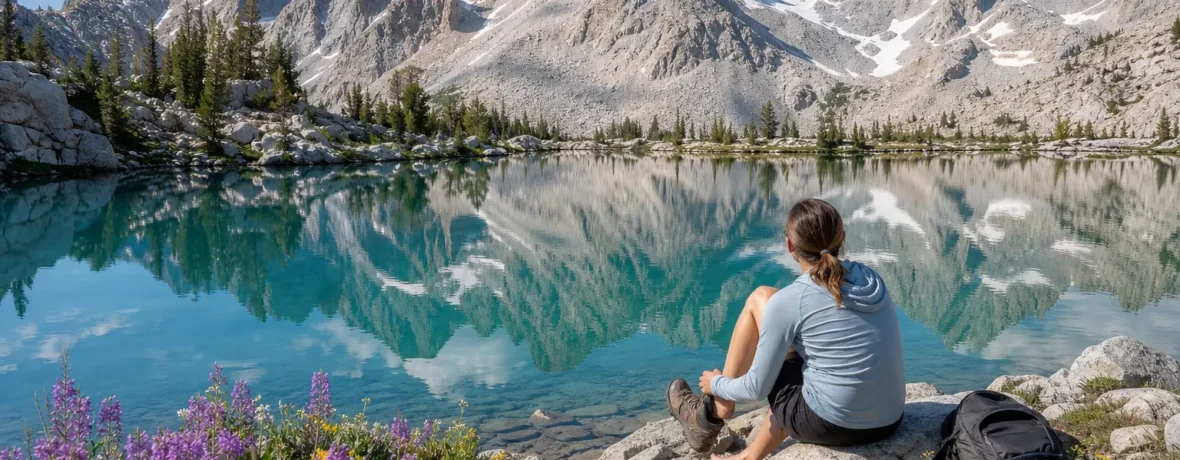
Start with 3–5 hikes: Hidden Lake Overlook, Avalanche Lake, Grinnell Glacier, the Highline Trail, and St. Mary/Virginia Falls. Yes, you can see Glacier without hard hiking, but the best views require early starts, bear spray, and flexible trail plans.
What are the best hikes in Glacier National Park?
The best hikes in Glacier National Park are the ones that match your fitness, road access, weather, and tolerance for exposure.
Glacier is not a one-trail park. It is a set of distinct hiking zones: Lake McDonald on the west side, Logan Pass along Going-to-the-Sun Road, Many Glacier on the east side, St. Mary, and Two Medicine. Each feels different. Forest. Alpine tundra. Waterfalls. Knife-edge ledges. Big turquoise lakes. Windy open slopes.
The National Park Service lists more than 700 miles [1,127 km] of trails in Glacier, and its official Glacier hiking guide is the best place to cross-check mileages, elevation gain, and trail status before you commit.
| Hike | Area | Distance | Best for |
|---|---|---|---|
| Hidden Lake Overlook | Logan Pass | 2.6 mi [4.2 km] round trip | Big alpine views with a short climb |
| Avalanche Lake | Lake McDonald | 4.6 mi [7.4 km] round trip | Forest, creek, lake, and waterfalls |
| St. Mary Falls and Virginia Falls | St. Mary | 3.2–3.6 mi [5.1–5.8 km] round trip | Waterfall hikers and hot afternoons |
| Grinnell Glacier Viewpoint | Many Glacier | 10 mi [16.1 km] round trip | A hard classic with glacier views |
| Iceberg Lake | Many Glacier | 9.6 mi [15.4 km] round trip | A long lake hike below cliffs |
| Highline Trail | Logan Pass | 11.8 mi [19 km] one way | Strong hikers who want the signature ridge walk |
| Scenic Point | Two Medicine | 7.6 mi [12.2 km] round trip | Windy, open views with fewer crowds |
What to do in Glacier National Park if you only have one day?
With one day, choose one main hike and one scenic stop, not five rushed trailheads.
If Going-to-the-Sun Road is fully open and the weather is clean, aim for Logan Pass first. Hidden Lake Overlook gives you a fast hit of Glacier’s alpine drama: boardwalk, wildflowers in season, mountain goats if luck is on your side, and a clean view down to Hidden Lake. It is short enough for a half day but high enough to feel like a real mountain outing.
If you want a longer day, pair Hidden Lake Overlook with St. Mary Falls and Virginia Falls. That gives you alpine terrain in the morning and cold blue-green water in the afternoon. Simple. Strong. No wasted driving.
If Logan Pass is socked in, shift west to Avalanche Lake. The trail starts near Trail of the Cedars, moves through old forest, and finishes at a lake boxed in by cliffs and waterfalls. It is one of the best bad-weather choices because the forest protects you from wind and the lake still looks moody under clouds.
As of November 2026, Glacier’s official entrance page lists a standard private vehicle entrance pass at $35 for seven days in the main season, with a winter private vehicle rate of $25 from November 1 through April 30. The park is cashless, so plan on a card or digital pass; check the official Glacier fees and passes page before you arrive.
Which Glacier hike should you pick first?
Pick Avalanche Lake first if you want beauty without a huge commitment.
Avalanche Lake is the “I want Glacier, but I don’t want to get worked over” hike. It is still real hiking. You climb. You sweat. The trail gets busy. But the payoff-to-effort ratio is excellent, especially for first-timers, families with trail-ready kids, and hikers who land in the park after a long travel day.
Choose Hidden Lake Overlook first if the sky is clear and Logan Pass access works for your plan. It starts high, so you get instant alpine scenery without grinding up from a valley floor. The tradeoff is exposure. Weather can turn sharp fast. Snow can linger. Wind can slap. Do not treat the short distance like a casual sidewalk stroll.
Choose Grinnell Glacier if you have a full day, strong legs, and a stable forecast. This is the hike people build trips around. It moves past lakes and cliffs toward one of the park’s most famous glacier viewpoints. It is also exposed, popular, and long enough to punish late starts.
What are the best things to do in Glacier National Park besides hiking?
The best non-hiking move in Glacier is to use scenic drives, lakeshores, ranger programs, and short nature trails to fill the gaps between bigger hikes.
You do not need to hammer your knees every hour of the trip. In fact, you will enjoy the hiking more if you build in softer time. Walk the accessible parts of Trail of the Cedars. Sit at Lake McDonald when the light drops. Stop at overlooks along Going-to-the-Sun Road when pullouts are safe and legal. Take a ranger program if one lines up with your area. Watch the weather move over the peaks. Glacier rewards stillness.
Use non-hiking time to scout conditions too. If you see fresh snow up high, heavy smoke, or a storm line parked over the Continental Divide, shift plans before you are halfway up a pass. The mountain does not care about your itinerary.
How should you plan a hiking day in Glacier?
Plan your hiking day backward from trailhead access, daylight, and the hardest mile.
- Choose your area first. Do not bounce from Many Glacier to Lake McDonald to Two Medicine in one day unless you enjoy driving more than hiking.
- Check road and trail status. Glacier has seasonal roads, wildlife closures, construction delays, snow, and fast-changing trail conditions.
- Start early. Parking pressure is real in peak season, and afternoon thunderstorms can make exposed trails ugly.
- Carry bear spray where you can reach it. Not buried in your pack. Not in the car. On your body.
- Pack layers. A warm valley can still mean cold wind at Logan Pass or on an open ridge.
- Set a turnaround time. If you are not at the lake, pass, or viewpoint by that time, turn around anyway.
- Have a backup hike. Pick one lower-elevation option before you lose cell service.
As of November 2026, the park directs hikers to its official current conditions page for trail hazards, road status, seasonal closures, and construction updates. Use it the night before and again the morning of your hike.
Do you need reservations for Glacier National Park hikes?
For day hiking, your biggest planning issue is usually park access and parking, not a hiking permit.
As of November 2026, Glacier says vehicle reservations are not required anywhere in the park for 2026. The big wrinkle is Logan Pass: in 2026, private vehicle parking at Logan Pass was limited to three hours from July 1 through Labor Day, September 7, and longer day hikes from Logan Pass, such as the Highline Trail, required using the ticketed shuttle system. Check the official Logan Pass 2026 access page for the exact rules before you build a Logan Pass day.
For practical purposes, that means Hidden Lake Overlook fits a Logan Pass parking window better than the Highline. If you want the Highline, build your day around shuttle logistics or another legal trailhead plan. Do not assume you can park all day at Logan Pass during managed periods.
Which hike is best for beginners?
Avalanche Lake is the best first real hike for many Glacier visitors.
It has enough distance to feel satisfying, but not so much exposure that every cloud becomes a crisis. The grade is manageable for hikers with a basic fitness base, and the scenery changes often enough to keep the day moving. Start early, bring water, and expect company.
Hidden Lake Overlook can also work for beginners who handle stairs, elevation, and wind well. The catch is altitude and exposure. You start at Logan Pass, so the air feels thinner than it does near Lake McDonald. If the trail is snowy or the weather is rough, save it for another day.
St. Mary Falls and Virginia Falls is another strong beginner-friendly pick when the trail is open and conditions are dry. Waterfall trails can have slick rock, wet steps, and crowded viewpoints, so slow down near spray zones and bridges.
Which hike is best for strong hikers?
Strong hikers should put Grinnell Glacier, Iceberg Lake, and the Highline Trail high on the list.
Grinnell Glacier is the classic hard day in Many Glacier. The views build and build: lakes below, cliffs above, then ice and rock at the far end. It is popular for a reason. It is also long, sunny, and exposed in places, so bring more water and food than you think you need.
Iceberg Lake is longer than it is technical. The trail rolls through open country to a lake tucked under a massive cirque wall. It is a great choice when you want mileage, wildlife-aware hiking, and a dramatic finish without the sharper ledge feel of the Highline.
The Highline Trail is Glacier’s headline ridge walk. It starts near Logan Pass and runs toward The Loop, with sweeping views for miles. It is not the place to test a fear of heights. Parts of the trail are exposed, weather matters, and logistics matter even more. Get those right and it can be the hike of the trip.
What should you pack for Glacier day hikes?
Pack for cold wind, strong sun, bears, and a longer day than planned.
- Bear spray carried on your body, not inside your pack
- Map, downloaded route, and a backup power source
- Rain shell and warm insulating layer
- Sun hat, sunglasses, and sunscreen
- Sturdy hiking shoes or boots with real traction
- Water and a way to treat more if needed
- Lunch plus extra snacks
- Small first-aid kit
- Headlamp, even for a day hike
- Gloves and a warm hat for high-elevation hikes
- Trash bag for every wrapper, peel, and tissue
Glacier is bear country. The park’s official bear safety guidance says bear spray is not a substitute for standard safety habits and should be used only on an oncoming bear, not sprayed on gear or around camp. Hike alert. Make noise where visibility is poor. Give wildlife room. More room than you think.
When is the best time to hike in Glacier National Park?
Late July through September is usually the strongest window for high-country hiking.
That does not mean every trail is perfect. Snow can linger into summer on higher routes, and early storms can dust the passes before fall is done. July brings wildflowers and crowds. August often brings more reliable high trails, hotter afternoons, and sometimes smoke. September can be excellent: cooler air, sharper light, and fewer people after Labor Day. It can also bring early snow.
June is a mixed bag. Lower trails may be beautiful, but many high hikes can still be snow-covered or hard to access. October is quiet and risky in a different way: shorter days, colder storms, reduced services, and seasonal road changes. If your dream hike is Grinnell Glacier or the Highline, do not build the whole trip around early June or late October unless you are happy with backup plans.
Related reading
- Where to Stay in Glacier National Park
- Closest Airports to Glacier National Park
- Glacier to Yellowstone Road Trip: Distance and Route
- Best Time to Visit Glacier National Park
FAQ
Can you hike Glacier National Park without a car?
Yes, but your options depend on the season and shuttle access. In peak periods, shuttles can help with Logan Pass hikes, but not every trailhead is served every year, so build your route around the current official shuttle information.
What is the easiest famous hike in Glacier National Park?
Trail of the Cedars is the easiest famous walk, and Avalanche Lake is the best easy-to-moderate extension. If you want a short alpine hike, Hidden Lake Overlook is famous too, but it has stairs, elevation, and weather exposure.
Is the Highline Trail scary?
It can be scary if you dislike heights. The trail has exposed sections near steep terrain, so skip it in bad weather, icy conditions, or if exposure makes you freeze up.
How many days do you need for hiking in Glacier?
Three full days is a strong minimum for hikers. That gives you one day around Logan Pass, one day in Many Glacier, and one day for Avalanche Lake, St. Mary, or Two Medicine.
Do you need bear spray for Glacier hikes?
Yes, you should carry bear spray on Glacier hikes and know how to use it. Carry it where your hand can reach it fast, and pair it with smart habits: hike alert, make human noise, stay together, and never approach wildlife.
What hike should you skip if the weather is bad?
Skip exposed high hikes such as the Highline Trail, Scenic Point, and long glacier-view routes when storms, strong wind, or snow make footing questionable. Choose a lower forest or waterfall hike instead, then save the ridgelines for a cleaner day.