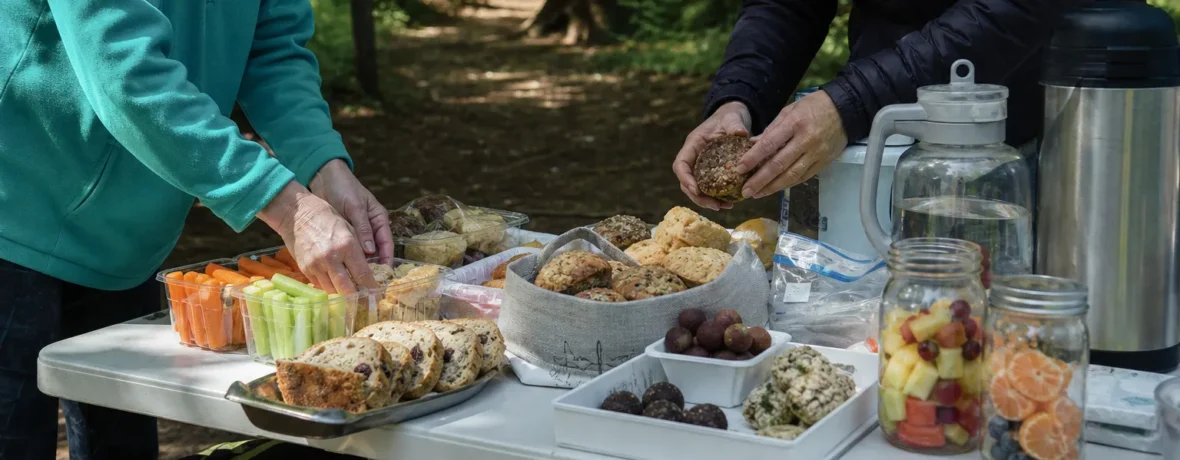
Trail magic is an unexpected act of kindness given to hikers, usually food, drinks, rides, supplies, or encouragement. If you’re asking what is trail magic, the simplest answer is this: it’s help that appears at the right moment, with no payment expected, and with respect for the trail.
What is trail magic on a hiking trail?
Trail magic is surprise generosity that helps hikers keep moving.
On long trails, the term often means a cold soda at a road crossing, a bag of oranges at a trailhead, a ride into town, or a stranger letting tired hikers fill water jugs from an outdoor spigot. On shorter local trails, it might be someone sharing sunscreen, offering directions, or picking up trash before the next group arrives.
The Appalachian Trail Conservancy calls trail magic an “unexpected act of kindness,” and that definition gets the spirit right. You don’t schedule it. You don’t earn it. You don’t demand it. It shows up, bright and weird and generous, when a hiker is tired, dirty, hungry, or doubting the whole plan. Read the ATC’s guidance on trail magic on the Appalachian Trail before offering it there.
The magic part is the surprise. The trail part is the responsibility. Done well, it lifts people without damaging the place they came to walk through.
Who are trail angels?
Trail angels are the people who provide trail magic.
A trail angel might live in a trail town. They might be a former thru-hiker paying it forward. They might be a parent, retiree, weekend hiker, shuttle driver, hostel owner, or random local who knows that hikers light up when they see a cooler full of cold drinks.
Trail angels can help in small ways:
- Offering sealed snacks at a legal trailhead
- Giving a ride from a road crossing into town
- Letting hikers charge phones on a porch
- Sharing current local information
- Taking hiker trash to a real trash can
- Leaving encouraging notes where they are allowed
The best trail angels don’t treat hikers like guests at a party they must attend. They offer. They don’t pressure. They keep boundaries clear. They clean up every wrapper, cup, sign, and zip tie when they leave.
What are examples of good trail magic?
Good trail magic solves a real hiker problem without creating a new one.
A hiker 15 miles [24 km] from town may dream of fresh fruit more than another energy bar. A hiker walking in heat may want a shaded chair and a cold drink. A soaked hiker may need a ride to laundry more than a sermon, sales pitch, or group photo.
| Trail magic idea | Why hikers like it | How to keep it responsible |
|---|---|---|
| Cold drinks | Fast morale boost in hot weather | Stay with the cooler and remove all empties |
| Fresh fruit | Hard to carry, refreshing, easy to share | Pack out peels, stickers, bags, and boxes |
| Rides to town | Saves road walking and time | Be clear on destination, seat space, and timing |
| Charging station | Helps with maps, safety, and communication | Use legal parking areas and do not block access |
Other solid options include hand sanitizer, trash bags, water at a front-country road crossing, a shaded place to sit, or a simple “you’re doing great” from someone who means it. Tiny things hit hard after days of walking.
Is trail magic always a good thing?
No, trail magic can cause problems when it ignores land managers, wildlife, other visitors, or Leave No Trace ethics.
A cooler left alone can turn into a trash pile. Food scraps can attract bears, raccoons, mice, and other animals. A roadside crowd can block parking, annoy neighbors, or draw complaints from agencies that already work hard to keep trails open and safe.
The Pacific Crest Trail Association specifically discourages unattended caches of food and drinks on the PCT and points hikers and supporters toward low-impact choices. See the PCTA’s page on leaving trail magic caches for its current guidance.
That doesn’t mean generosity is bad. It means the method matters. The cleanest trail magic is usually in-person, short-term, near a road or legal parking area, and fully packed out when finished.
How do you give trail magic the right way?
Give trail magic in a way that leaves no trash, no wildlife problem, and no awkward pressure.
- Choose a legal, durable location. Use established trailheads, picnic areas, town parks, hostels, or road crossings where stopping is allowed. Do not block gates, driveways, emergency access, or narrow roads.
- Check local guidance first. Different trails cross national parks, forests, state lands, private easements, and towns. If a managing agency says no caches or no food tables, follow that.
- Stay with what you bring. Unattended food is where good intentions go sideways. If you bring a cooler, table, sign, or chair, remain there and take it all when you leave.
- Offer, don’t push. Some hikers want a soda. Some want silence. Some have food restrictions. Ask once, smile, and let them keep walking.
- Keep it simple. Sealed drinks, fruit, packaged snacks, and trash service beat a complicated setup that needs cleanup, power, permits, or crowd control.
- Pack out every trace. That includes bottle caps, orange peels, cardboard boxes, tape, twist ties, signs, and “free” items nobody took.
Use the Leave No Trace Seven Principles as your baseline: plan ahead, dispose of waste properly, respect wildlife, and be considerate of others. The National Park Service also publishes a clear overview of Leave No Trace principles for public lands.
What should hikers do when they receive trail magic?
Say thank you, take only what you need, and don’t leave a mess behind.
Trail magic is not a resupply entitlement. It’s a gift. Treat it that way. If someone offers you a drink, don’t empty the cooler for later. If there is a trash bag, use it only for the trash connected to that stop unless the person clearly says otherwise. If a trail angel offers a ride, confirm where they’re going before you load your pack.
Good hiker etiquette looks like this:
- Ask before taking more than one item.
- Keep wrappers, cans, and food scraps contained.
- Do not pressure trail angels for rides, money, lodging, or special stops.
- Respect private property, town rules, and neighbors near trail crossings.
- Move aside so other hikers, drivers, and local users can pass.
- Post thanks online only if the person is comfortable being named.
A little gratitude goes far. So does leaving the spot cleaner than you found it.
What should you not leave as trail magic?
Do not leave anything that can become trash, bait wildlife, or force someone else to clean up.
Skip loose food, open containers, homemade food left unattended, glass bottles, alcohol, bulky gear, clothing piles, and mystery boxes. Also skip items that look helpful but create disposal problems: half-empty fuel canisters, broken trekking poles, old shoes, damp books, and “free” gear no one asked for.
Water can be tricky. In dry areas, hikers may rely on public water sources, caches maintained by local volunteers, or official guidance from trail organizations. Random water jugs left in the wrong place can break down in sun, attract animals, mislead hikers, or leave plastic behind. If you want to help with water, ask the local trail organization or land manager how to do it properly.
Why does trail magic matter to thru-hikers?
Trail magic matters because long-distance hiking is physically hard, emotionally strange, and often lonely.
A thru-hiker may walk for months, spending day after day managing blisters, weather, hunger, bugs, wet socks, steep climbs, and the math of getting to the next town before the post office closes. A small kindness can reset the whole mood. One cold drink at the right road crossing can make the next 8 miles [13 km] feel possible.
There’s also a people side. Trails are not only dirt paths through woods and desert. They are communities. Trail magic reminds hikers that the route is held together by maintainers, volunteers, local residents, shuttle drivers, hostel owners, conservation groups, and strangers who care enough to show up.
That is the heart of it. Not free stuff. Connection.
Related reading
- Youngest and Oldest Appalachian Trail Thru-Hikers
- What Is a Trail Angel?
- Who Built the Appalachian Trail?
- What Is a Trail Name and How Do Hikers Get One?
FAQ
What does trail magic mean?
Trail magic means an unexpected act of kindness for hikers. It can be food, drinks, rides, supplies, encouragement, or help in town, usually given with no payment expected.
Is trail magic only for thru-hikers?
No, trail magic can happen on any trail. It is most famous on long-distance routes like the Appalachian Trail and Pacific Crest Trail, but a day hiker can also give or receive a helpful, low-impact kindness.
Can I leave a cooler on the trail?
Usually, you should not leave an unattended cooler on the trail. If you bring food or drinks, stay with them, use a legal location, and pack out the cooler, trash, leftovers, signs, and ice bags when you leave.
Do hikers pay for trail magic?
No, trail magic is normally free. If money is expected, it becomes a service, donation table, shuttle, or sale, and different rules may apply depending on the location.
What is the best trail magic to give?
The best trail magic is simple, useful, and clean. Cold drinks, fresh fruit, trash pickup, shade, and a respectful ride to town often help more than complicated setups.
How do I thank a trail angel?
Say thank you directly and leave the area spotless. If you want to mention them online, ask before sharing their name, location, vehicle, or home address.