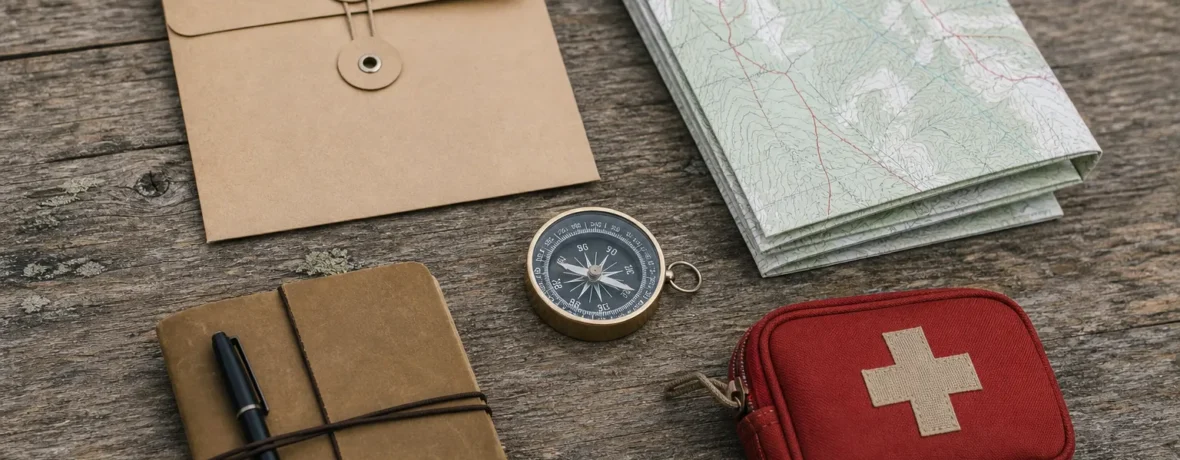
What is a wilderness permit? It is written permission to enter, camp in, or travel through a managed wilderness area on a specific date, trailhead, route, or zone. You need one when the land agency requires it—often for 1 overnight trip, some day hikes, and quota-controlled seasons—not for every wilderness visit.
What is a wilderness permit?
A wilderness permit is your official pass to use a protected backcountry area under that area’s rules.
In the United States, federally designated wilderness is part of the National Wilderness Preservation System. As of November 2026, the National Park Service says the system includes more than 800 federally designated wilderness areas managed by the National Park Service, Bureau of Land Management, U.S. Fish and Wildlife Service, and U.S. Forest Service. These areas are managed to preserve wilderness character, not to pack in as many hikers as possible. Read the NPS wilderness law and policy page. (nps.gov)
The permit is the practical tool land managers use when a place gets loved hard. It may limit where you start, when you start, how many people are in your group, where you sleep the first night, or how many total groups can enter a drainage on the same day.
When do you need a wilderness permit?
You need a wilderness permit when the official page for that park, forest, refuge, or BLM area says you do.
That sounds blunt because it is. There is no single nationwide rule that says “all wilderness trips need permits” or “only overnight trips need permits.” Each unit sets its own system. Yosemite, Inyo National Forest, the Central Cascades, and Desolation Wilderness all use permits, but the triggers are different.
As of November 2026, Yosemite National Park requires a wilderness permit year-round for backpacking, overnight climbing, or any other overnight stay in the Yosemite Wilderness. Yosemite does not require a wilderness permit for ordinary day hikes, except Half Dome, or for frontcountry campgrounds and lodging. Check Yosemite’s official wilderness permit page. (nps.gov)
| Area | When a permit is required | What to check before you go |
|---|---|---|
| Yosemite Wilderness | As of November 2026, required year-round for overnight wilderness trips. | Entry trailhead, date, quota, Half Dome rules, pickup rules. |
| Inyo National Forest wilderness areas | As of November 2026, required year-round for overnight trips into Ansel Adams, John Muir, Hoover, and Golden Trout Wilderness areas. | Entry date, trailhead quota, group size, Mt. Whitney exit rules. |
| Central Cascades Wilderness areas | As of November 2026, required for all overnight visitors to Mt. Jefferson, Mt. Washington, and Three Sisters Wildernesses between June 15 and October 15; required for day use at 19 trailheads in that season. | Day-use vs. overnight permit, trailhead, seasonal access, fire restrictions. |
| Desolation Wilderness | As of November 2026, required year-round for day visits and overnight camping. | First-night destination zone, quota season, printed permit, bear canister rule. |
For Inyo National Forest, the official Recreation.gov page says 60% of quota space is released 6 months in advance and 40% is released 2 weeks in advance, as of November 2026. The same page says groups cannot combine to exceed 15 people. Check the Inyo National Forest wilderness permit page. (Recreation.gov)
Do you need a wilderness permit for a day hike?
Sometimes yes, but many wilderness day hikes do not need a quota permit.
This is where hikers get tripped up. “Wilderness” on the map does not automatically mean “permit required.” Some areas use free self-issue permits at trailheads. Some require reserved day-use permits at specific trailheads. Some only require permits if you sleep out there.
As of November 2026, Central Cascades Wilderness rules require permits for day use at 19 trailheads in the Mt. Jefferson, Mt. Washington, and Three Sisters Wilderness areas between June 15 and October 15, while other trailheads use free self-issue permits. See the Central Cascades permit page. (Recreation.gov)
As of November 2026, Desolation Wilderness requires a valid permit for day and overnight visits year-round, and day-use permits are free. That is stricter than many places, so do not assume the rules from your local national forest apply everywhere. See the Desolation Wilderness permit page. (Recreation.gov)
How do you get a wilderness permit?
You get a permit through the managing agency’s official system, often Recreation.gov or a local ranger office.
Here is the clean way to do it:
- Find the land manager. Is the trail in a national park, national forest, BLM area, wildlife refuge, state park, or tribal land?
- Search the official page. Use the park or forest website first, then follow its permit link. Avoid random blogs for rules.
- Choose your exact entry point. Many permits are tied to a trailhead, not just a general wilderness area.
- Pick your start date. Quotas usually apply by entry date, and some systems release permits months ahead.
- Know your group size. Do this before checkout. Some systems do not let you add people later.
- Read the permit conditions. Food storage, campfire bans, first-night zones, exit points, pets, and human-waste rules can all be part of the deal.
- Carry the actual permit. A reservation confirmation may not be enough.
As of November 2026, Yosemite releases 60% of wilderness permit reservations by lottery 24 weeks in advance and 40% seven days in advance. Yosemite also says a reservation confirmation letter is not a valid permit; the trip leader or alternate must pick up the wilderness permit. Check Yosemite’s reservation instructions. (nps.gov)
What does a wilderness permit actually control?
A permit controls use, not just paperwork.
Depending on the area, your permit may lock in:
- Your entry trailhead
- Your entry date
- Your group size
- Your first-night camp zone
- Your exit point
- Your maximum trip length
- Whether you can climb, bring stock, or travel with a commercial group
- Food-storage rules, including bear canisters
- Fire, stove, and camping restrictions
As of November 2026, Desolation Wilderness uses 45 overnight destination zones during its quota season, and overnight permit holders must stay the first night in the zone selected on the permit. The same official page says the maximum group size is 12 people. (Recreation.gov)
That is why the “close enough” approach can fail. If your permit says one trailhead and you start at another, you may be outside your permit conditions even if you are still in the same wilderness.
What happens if you hike without a wilderness permit?
You can be turned around, cited, fined, or forced to change your trip.
The exact penalty depends on the agency and the violation. Rangers can check permits at trailheads, camps, junctions, lake basins, and popular passes. If a place uses permits to protect a fragile area, skipping the permit is not a clever shortcut. It is freeloading on everyone else who planned ahead.
As of November 2026, the Central Cascades Forest Service permit FAQ says wilderness rangers can write violation notices to visitors without the appropriate permit, and fines start at $200 plus processing costs. Read the Central Cascades Forest Service permit FAQ. (fs.usda.gov)
What should you check before applying for wilderness permits?
Check the rules that can wreck your plan before you pay, print, or pack.
- Permit type: Day use and overnight permits are often separate.
- Entry point: Your permit may be valid only for one trailhead or zone.
- Release date: Popular areas may open permits months ahead or use lotteries.
- Pickup or printing rules: A confirmation email may not count as a permit.
- Group limit: Large groups may need to split up or choose another route.
- Food storage: Bear canisters may be required even where trees look hangable.
- Fire rules: Campfires may be banned by area, elevation, season, or emergency order.
- Road and trail closures: A valid permit does not guarantee the road is open.
- Parking pass: A wilderness permit may not cover trailhead parking fees.
One last straight answer: if the trip includes sleeping in protected backcountry, assume you need to check for a permit. If the trip is a day hike, still check. The whole process takes less time than rebuilding a trip at the trailhead with no cell service and a ranger saying no.
Related reading
- Yosemite Wilderness Permits: How to Get One
- Olympic National Park Wilderness Permits
- Angels Landing Permit Lottery Explained
- Grand Canyon Backcountry Permits Explained
FAQ
Is a wilderness permit the same as a camping reservation?
No. A wilderness permit covers backcountry access under specific rules, while a campground reservation usually covers a developed frontcountry campsite. In places like Yosemite, the park says frontcountry campgrounds do not require a wilderness permit, as of November 2026. (nps.gov)
Do I need a wilderness permit if I am only hiking through?
Maybe. Some areas require day-use permits for specific trailheads or seasons, while others only require permits for overnight stays. Check the official page for the exact trailhead and date.
Can one wilderness permit cover my whole group?
Usually yes, if everyone is traveling together and the group size fits the area’s limit. The permit normally names a trip leader, and that leader may be responsible for the whole group following the rules.
Can I change my trailhead after getting a permit?
Often no. Many permits are tied to a specific entry trailhead, date, route, or first-night zone. If your plans change, contact the permit office or change the reservation through the official system before the trip.
Are wilderness permits free?
Sometimes. Some areas issue free self-serve permits, while others charge reservation, recreation, or processing fees. Fees change, so check the official agency page before you budget the trip.
What if all permits are gone?
Pick another date, trailhead, or wilderness area. Many systems release cancellations or hold a portion of quota until closer to the start date, but you should only rely on the official release schedule for that area.