 Health
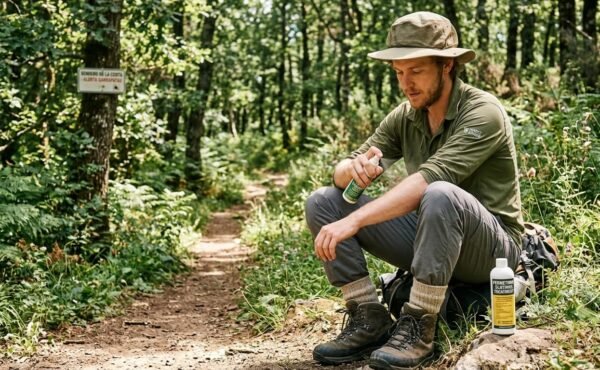
How to Protect Against Insects While Hiking: Ticks, Mosquitoes and More
Ticks, mosquitoes, midges and biting flies can ruin a hike or cause real illness. Learn how to protect against insects while hiking with repellents,…
Health
 Health
 Health
 Training
 Training
 Training
 Training
 Training
 Hiking Guides
Whether you’re searching for hiking trails near me or planning an epic multi-week adventure, iHikeFar covers everything you need: the best hiking boots, top hiking shoes for women and men, essential hiking gear, and the most scenic hiking routes across the USA and beyond. Updated for 2026 with the latest gear reviews and trail conditions.
Finding great hiking near me has never been easier thanks to a new generation of hiking apps, interactive trail maps, and online hiking communities. In 2026, hikers have access to more trail data, user reviews, and real-time conditions than any previous generation. Whether you prefer mountain summits, forest trails, coastal paths, or desert canyons, there’s a perfect trail within reach.
The best hiking apps of 2026 combine massive trail databases with offline maps, GPS tracking, and community-sourced trail conditions. AllTrails remains the most popular platform for finding hiking near me, with over 400,000 trails mapped worldwide. Gaia GPS leads for serious backpackers who need detailed topographic maps and offline navigation. The Hiking Project offers free trail data for US trails, while CalTopo excels at route planning with elevation profiles.
For finding the most popular hiking spots in your area, search by distance from your location, then filter by difficulty, trail length, and elevation gain. Most hiking apps let you read recent trail reports to check current conditions — essential for waterproof hiking boots decisions and seasonal gear choices. The best hiking gps devices pair well with a smartphone app for redundant navigation on remote trails.
Dog-friendly hiking trails are increasingly well-documented in hiking apps — look for filters that specify leash requirements, water sources, and pet-friendly facilities. Hiking safety tips are also now built into many apps, alerting you to permit requirements, bear activity, and current trail closures.
The best hiking trails in national parks range from beginner-friendly nature walks to technical multi-day wilderness routes. In Zion National Park, the Narrows is one of the most iconic hiking experiences in the world — a slot canyon hike through the Virgin River requiring waterproof hiking boots or hiking sandals. Bryce Canyon’s most scenic hiking trails wind through hoodoo formations, while the most scenic hiking trails in Utah extend through Arches, Canyonlands, and Capitol Reef.
The Superior Hiking Trail in Minnesota traces the ridgeline above Lake Superior for 310 miles — one of the top long-distance hiking routes in the Midwest. For the biggest challenge in the USA, the Pacific Crest Trail covers 2,650 miles from the Mexican to Canadian border, while the Appalachian Trail stretches 2,198 miles through 14 eastern states. What is the most dangerous hiking trail? Many experts point to Half Dome in Yosemite, where steel cables and exposed granite demand respect and proper hiking gear.
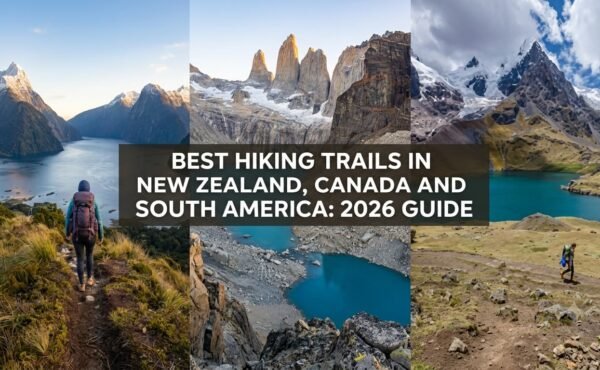
What is the longest hiking trail in the world? The Great Trail in Canada covers over 24,000 kilometers, though for contiguous footpath hiking, the Te Araroa in New Zealand (3,000km) and various European long-distance routes compete for the title. The top hiking trails in South America include the Inca Trail to Machu Picchu and Patagonia’s W Circuit in Torres del Paine. Most scenic hiking routes in Asia include Nepal’s Annapurna Circuit and Japan’s Kumano Kodo pilgrimage trail.
The best hidden hiking trails often sit just miles from crowded tourist spots. To find them, explore county and state forest maps, which document thousands of trails not listed on mainstream hiking apps. Local hiking clubs and friendship hiking groups are invaluable resources — members share insider knowledge about secret viewpoints, quiet trails, and seasonal wildflower routes that never make the top-10 lists.
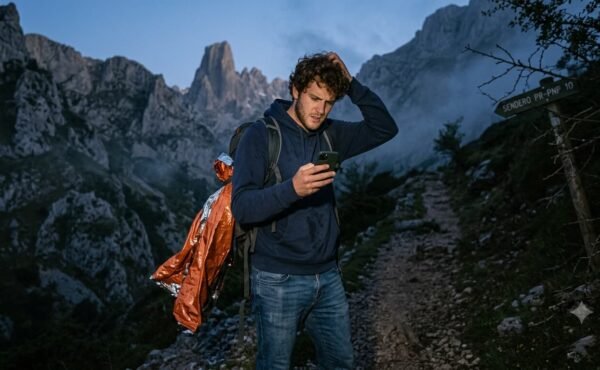
For solo hiking routes, prioritize trails with clear signage, cell service checkpoints, and emergency contact systems. What are the best solo hiking routes? Established long-distance paths with regular hiker traffic — like the John Muir Trail, Colorado Trail, or Long Trail in Vermont — balance solitude with safety. Always follow hiking safety tips: tell someone your itinerary, carry a personal locator beacon on remote routes, and know how to protect against insects while hiking in forested regions.
Choosing between hiking boots, hiking shoes, and hiking sandals is the single most important gear decision you’ll make. The right footwear determines your comfort, safety, and enjoyment on trail. In 2026, the market offers more options than ever — from traditional leather hiking boots for men to lightweight trail runners adapted for approach shoes vs hiking boots for climbing. Here’s everything you need to know.
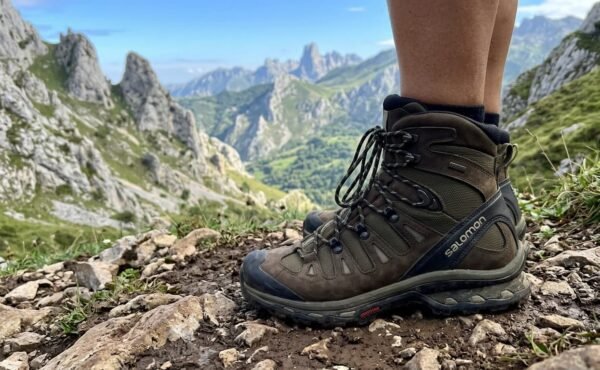
The best hiking boots for men combine ankle support, waterproofing, and trail grip for demanding terrain. Merrell hiking boots — particularly the Moab 3 Mid WP — remain the most popular mid-cut hiking boots for men thanks to their out-of-box comfort and Vibram outsole. Salomon hiking boots like the X Ultra 4 GTX offer a sportier fit with quick-lace closure, ideal for trail running crossover. Hoka hiking boots bring the brand’s signature maximalist cushioning to technical terrain in the Anacapa and Kaha lines.
For rugged durability, Danner hiking boots are hand-crafted in Portland, Oregon, and outlast most competitors on sharp rock terrain. Oboz hiking boots feature a built-in arch support system, making them ideal for hikers who need orthopedic comfort. Columbia hiking boots like the Newton Ridge Plus II waterproof boot deliver excellent value, combining Omni-Tech waterproofing with a cushioned midsole at a price well under the premium competition. KEEN hiking boots — especially the Targhee IV Mid — excel in wide-foot accommodation.
La Sportiva hiking boots target technical terrain hikers and climbers — the TX4 GTX bridges the gap between approach shoes and hiking boots. Vasque hiking boots, Lowa men’s Innovo Mid hiking boots, and Tecnica men’s Argos Goretex hiking boots round out the premium European options. Timberland hiking boots, while iconic, are better suited to light hiking and urban trail use than aggressive backcountry terrain.
Women's hiking shoes and hiking boots for women have evolved dramatically, with brands now offering women-specific lasts rather than simply scaled-down men's designs. The best hiking shoes for women in 2026 include the Salomon X Ultra 4 GTX Women's, Merrell Moab 3 Mid WP Women's, and Hoka Anacapa 2 Mid GTX. Columbia Women's Newton Ridge BC and Newton Alpine PT hiking boots offer waterproof protection at accessible price points.
For lightweight trail use, women's hiking shoes in low-cut designs like Xero Shoes Women's Tari II offer a barefoot-inspired alternative for hikers who prefer ground feel over cushioning. On cloud hiking shoes bring road-running technology to the trail, while Altra hiking shoes in women's sizing emphasize the brand's signature foot-shaped toe box and zero-drop platform. Adidas hiking shoes and Nike hiking shoes compete in the sport-hiking crossover space with trail-specific outsole compounds.
Women's hiking boots with waterproofing are essential for spring and fall hiking when trail conditions are wet and unpredictable. Gore-Tex and brand-proprietary waterproofing membranes (Merrell's M-Select Dry, Oboz's B-Dry, Columbia's Omni-Tech) keep feet dry without the weight of rubber boots. For summer desert hiking, women's hiking sandals from KEEN and Teva provide ventilation while protecting feet on rocky terrain.
The waterproof hiking boots vs. regular hiking boots debate comes down to climate, season, and personal preference. Waterproof hiking boots with Gore-Tex or equivalent membranes are essential for rain-heavy environments, stream crossings, and early morning dew-soaked trails. The downside: waterproof membranes reduce breathability, making waterproof hiking boots warmer and slower to dry from the inside when sweat builds up on long summer hikes.
For hot, dry climates like the desert Southwest, breathable non-waterproof hiking shoes dry faster after stream crossings and keep feet cooler overall. In these conditions, waterproof hiking shoes can become a liability — trapping heat and moisture. The best solution for most hikers is to own both: waterproof hiking boots for wet seasons and mountain environments, and lightweight hiking sneakers or trail runners for summer desert and forest hiking.
Hiking sandals represent a third option gaining popularity: brands like KEEN and Chaco offer hiking sandals men and women love for river crossings, hot weather camping, and casual trail use. The best hiking sandals provide arch support and toe protection while maintaining airflow. Walking sticks for hiking — or hiking poles — also affect footwear choice: poles reduce lower-body stress enough that some hikers can comfortably use lighter hiking shoes on terrain they’d otherwise need boots for.
iHikeFar tests the best hiking boots and hiking shoes on real trails across the USA, Europe, and beyond — including waterproof hiking boots, hiking sandals, and approach shoes.
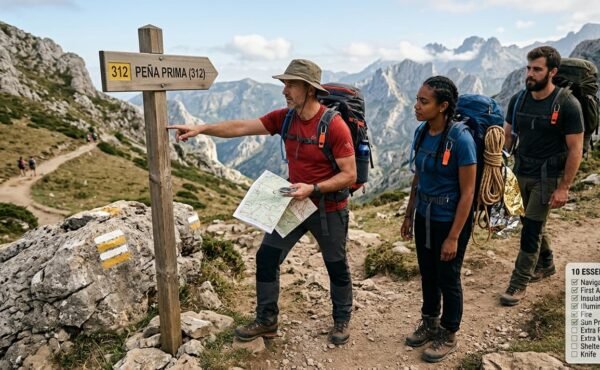
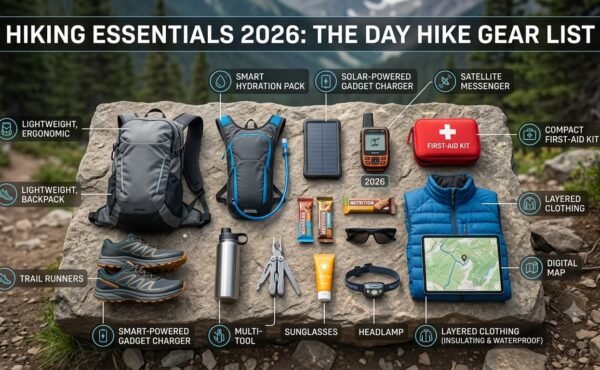
Before heading out on any hiking trail, check current trail conditions through your national park service or state park website. Always tell someone your planned route and expected return time — this is the single most important hiking safety tip. Carry the 10 Essentials: navigation tools, sun protection, insulation layers, illumination, first aid kit, fire starter, repair tools, food and nutrition, hydration (at least 2L for a day hike), and emergency shelter.
For responsible hiking and Leave No Trace principles, visit the Leave No Trace Center for Outdoor Ethics website (lnt.org) or the American Hiking Society (americanhiking.org). If hiking internationally, always research local wilderness regulations before entering protected areas — permits may be required. Know how to protect against insects while hiking: wear long sleeves in tick-prone areas, use DEET or permethrin, and check for ticks after every hike.
iHikeFar promotes hiking sustainability and environmental stewardship on all trails. Pack out everything you pack in. Stay on marked trails to prevent erosion and vegetation damage. Respect wildlife by maintaining safe distances and never feeding animals. For dog-friendly hiking trails, always keep pets on leash in national parks and check local regulations for state forests and wilderness areas.