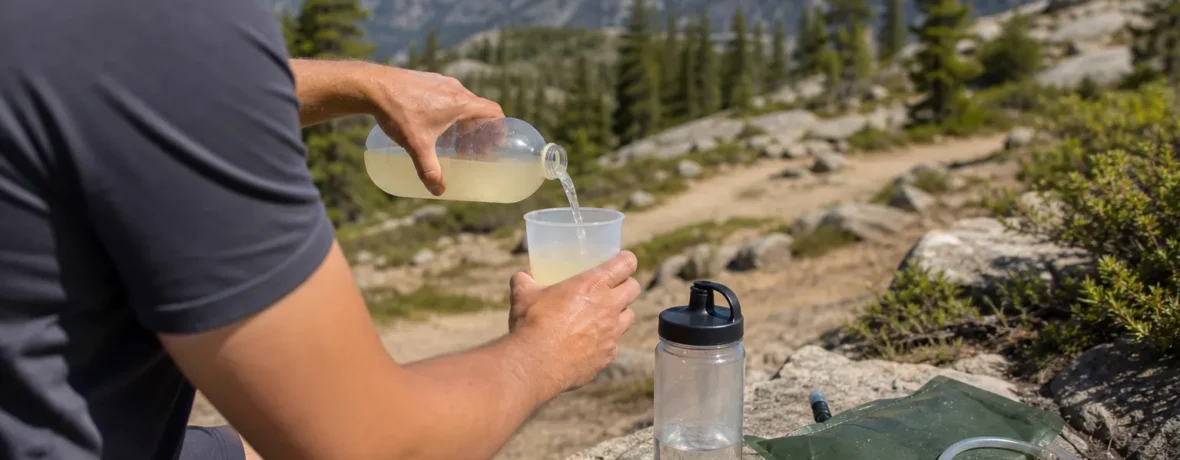
Yes, for mild dehydration. It can help with mild dehydration after sweaty hiking because it provides fluid, sodium, and carbohydrate. For short hikes under 1 hour, water plus food is usually enough. For prolonged sweating lasting several hours, an electrolyte drink can help; for confusion, fainting, vomiting, or severe weakness, get medical care.
Is Gatorade good for dehydration on a hike?
Yes, for mild dehydration from sweat, Gatorade can be useful.
Think of Gatorade as a trail tool, not a magic fix. It gives you three things your body may need after hard hiking in heat: fluid, electrolytes, and quick carbohydrate. That matters when your shirt is soaked, your pace has dropped, and plain water is starting to taste like punishment.
The CDC/NIOSH hydration guidance says water will almost always maintain hydration during heat work when you eat regular meals, while sports drinks with balanced electrolytes can be an option during prolonged sweating lasting several hours. That maps well to hiking: a cool 45-minute walk is not the same as a 6-hour climb in July.
Use Gatorade when the problem looks like sweat loss. Dry mouth, thirst, headache, darker urine, low energy, and muscle heaviness can show up when you are behind on fluids. But symptoms overlap with heat illness, altitude sickness, low blood sugar, and medical problems. Do not try to “Gatorade your way through” worsening symptoms.
Is Gatorade better than water for dehydration?
Sometimes, but not always.
Water wins for easy hikes, cool weather, and mild thirst. Your normal snacks or meals replace sodium. A salty wrap, pretzels, jerky, cheese, soup, or trail mix can do plenty when paired with water.
Gatorade starts to make more sense when you are sweating hard for hours, hiking in high heat, moving fast, or losing appetite. The sodium helps replace some sweat loss, and the sweetness can encourage you to drink when plain water is not going down. The carbohydrate also gives you a little fuel, which can help when your legs are empty and your brain feels foggy.
| Trail situation | Best drink choice | Why it fits |
|---|---|---|
| Short hike under 1 hour | Water | Usually enough when you eat normally |
| Hot hike with heavy sweat for several hours | Water plus Gatorade or another electrolyte drink | Replaces fluid and some sodium lost in sweat |
| Vomiting or diarrhea | Oral rehydration solution when available | Formulated for fluid and electrolyte replacement |
| Confusion, fainting, severe weakness, or heat stroke signs | Emergency care | A drink is not enough |
What should you drink for dehydration from hiking?
Drink based on the cause: sweat, stomach illness, or heat stress.
For sweat loss, use water first, then add electrolytes when the day is long, hot, humid, or steep. If you are eating salty food, you may not need much more. If you are not eating, an electrolyte drink becomes more useful.
For diarrhea, vomiting, or fever, sports drinks are not the top choice. MedlinePlus dehydration guidance points to oral rehydration solutions for children and warns that some sports drinks contain lots of sugar. The Mayo Clinic dehydration treatment page says replacing fluids and electrolytes is the treatment goal, and that the best fluid depends on age, severity, and cause.
For heat illness, the drink is only one piece. You also need shade, rest, cooling, and a lower workload. If symptoms are escalating, stop hiking. Summit fever is dumb. Turnaround time is medicine.
Can Gatorade make dehydration worse?
It can be the wrong choice in some situations.
Gatorade is usually fine for healthy adults with mild sweat-related dehydration, but it is not perfect. The sugar can bother your stomach, especially if you chug it while nauseated. Full-strength sweet drinks can also be a poor fit during diarrhea for some people. If your gut is already angry, small sips of an oral rehydration solution are usually a better bet.
There is another trap: drinking too much fluid, especially over many hours. Overhydration can dilute blood sodium and lead to exercise-associated hyponatremia, a dangerous condition that can resemble dehydration. The CDC Yellow Book heat illness guidance warns that forcing fluids during prolonged exercise is outdated and dangerous, and that most sports-electrolyte drinks do not contain enough sodium to prevent hyponatremia.
So do not hike by the rule “drink as much as possible.” Drink steadily. Pair fluids with food. Pay attention to thirst, urine, pace, heat, and how your head feels.
How do you rehydrate on trail step by step?
Slow down, cool down, and sip steadily.
- Stop moving. Get out of direct sun. Sit in shade or create shade with a jacket, tarp, or pack.
- Loosen layers. Open vents, remove a hat if it is trapping heat, and cool the neck, armpits, and groin when possible.
- Take small sips. Start with water, Gatorade, or an oral rehydration solution. Do not slam a whole bottle at once.
- Eat something salty if you can. Crackers, pretzels, salted nuts, broth, or a salty bar can help replace sodium when paired with water.
- Wait and reassess. Give your body time. If symptoms improve, keep the pace easy. If symptoms return, turn around.
- Stop the trip if symptoms worsen. Confusion, fainting, repeated vomiting, or inability to walk normally means you need help, not grit.
What are signs you need more than Gatorade?
Red-flag symptoms mean the plan changes fast.
The CDC heat illness page lists serious heat-related symptoms such as confusion, loss of consciousness, seizures, and very high body temperature. On trail, those are not “wait and see” problems. They are evacuation problems.
- Confusion, slurred speech, strange behavior, or inability to answer simple questions
- Fainting, collapse, or trouble standing
- Repeated vomiting or inability to keep fluids down
- Severe weakness that does not improve with rest, cooling, and sipping fluids
- Hot skin, worsening headache, or signs of heat stroke
- Little or no urination with worsening symptoms
When to see a doctor
Get medical help now for severe symptoms or dehydration that does not improve.
Call emergency services or start an evacuation if the person is confused, faints, has seizures, cannot keep fluids down, cannot walk safely, or seems to be getting worse despite rest and cooling. Severe dehydration and heat illness can need medical treatment that a bottle in your side pocket cannot provide.
Also talk with a clinician if you have kidney disease, heart disease, diabetes, take medications that affect fluid balance, are pregnant, are caring for a child or older adult, or have repeated dehydration episodes. This article is trail guidance, not a diagnosis.
What should you pack instead of relying on Gatorade?
Pack a simple hydration system with backups.
- Enough water capacity for the route, heat, and distance between sources
- Electrolyte drink, tablets, or powder for long hot hikes
- Oral rehydration salts for stomach illness or more serious fluid loss
- Salty snacks that you will actually eat
- A water filter or purifier when natural water sources are part of the plan
- A turnaround rule before symptoms force the decision for you
Gatorade can ride in the pack, but it should not be the whole plan. Water, salt, shade, pacing, food, and judgment matter more than the logo on the bottle.
Related reading
- Is Pickle Juice Good for Dehydration and Cramps?
- Can Dehydration Cause High Blood Pressure?
- Can Dehydration Cause Dizziness?
- Can Dehydration Cause a Fever?
FAQ
Is Gatorade good for dehydration after hiking?
Yes, it can help with mild dehydration after a sweaty hike. It works best when dehydration comes from sweat loss, not severe illness, heat stroke, or repeated vomiting.
Is Gatorade or Pedialyte better for dehydration?
Pedialyte or another oral rehydration solution is usually better for dehydration from diarrhea or vomiting. Gatorade is more of a sports drink for sweat, fluid, and carbohydrate replacement during or after exercise.
Should I drink Gatorade before a hike?
You can, but you usually do not need it before an easy hike. Start hydrated with water and normal food; save Gatorade or electrolytes for hot, long, or high-sweat days.
Can I drink only Gatorade on a hike?
Do not make that your default plan. Carry water too, because sweet drinks can get old fast, upset your stomach, and fail to match what your body needs all day.
How fast does Gatorade help dehydration?
Mild dehydration can start improving after you stop, cool down, and sip fluids steadily. If you are not improving after rest, shade, and fluids—or you are getting worse—stop hiking and seek medical help.
What is the best drink for dehydration on trail?
For sweat-related dehydration, water plus salty food or an electrolyte drink is usually the best trail combo. For vomiting or diarrhea, use an oral rehydration solution if you have one, and get medical help if fluids will not stay down.