To get rid of poison ivy rash fast, wash skin and gear as soon as possible, cool the itch, use over-the-counter itch relief, and avoid scratching. You usually cannot erase it overnight; mild rashes often clear on their own in 2 to 3 weeks.
How do you get rid of a poison ivy rash fast?
Move fast on cleanup, then control the itch while your skin heals.
Poison ivy rash comes from urushiol, the sticky plant oil found in poison ivy, poison oak, and poison sumac. Once that oil hits your skin, your clock starts. The earlier you remove it, the better your odds of a smaller, calmer rash. NIH MedlinePlus recommends washing thoroughly with soap and warm water and trying to do it within 30 minutes of exposure.
If the rash has already shown up, washing still helps remove leftover oil from skin, nails, socks, boots, trekking poles, dog fur, or that hip belt you keep grabbing. It will not magically dry the rash by dinner. But it can stop new patches from appearing because you dragged oil onto fresh skin.
- Stop and wash exposed skin. Use soap and cool or lukewarm water. Do not scrub hard enough to tear skin.
- Clean under your fingernails. Urushiol can hide there and ride to your face, neck, or waistline later.
- Strip off contaminated clothing. Bag it if you are still on the road or trail. Wash it separately when you get home.
- Rinse gear that touched the plant. Think trekking poles, gaiters, pack straps, gloves, watch bands, camp chairs, and dog leashes.
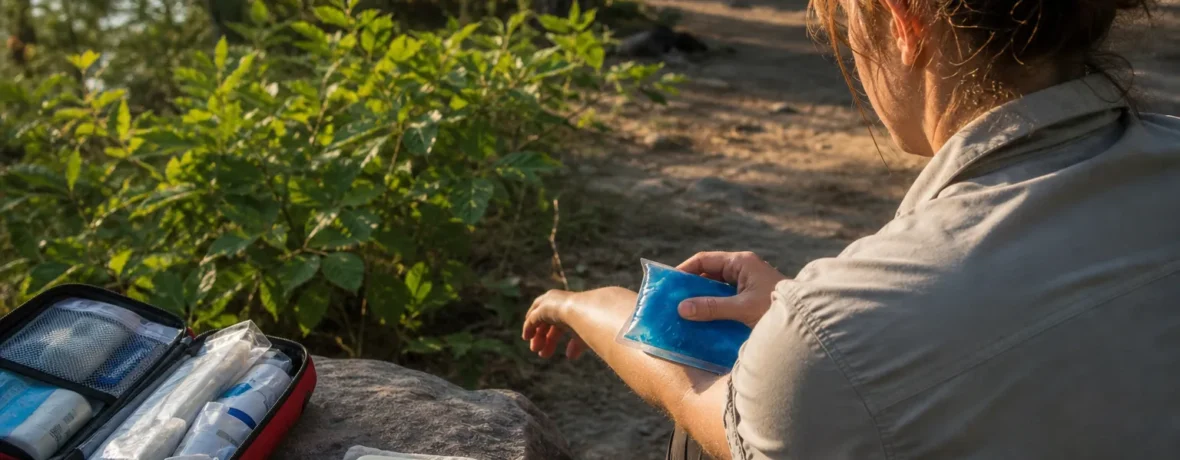
- Cool the rash. Use cool compresses for 15 to 30 minutes at a time, several times daily, which is also recommended by Mayo Clinic.
- Use itch-control products. Calamine lotion, hydrocortisone cream, colloidal oatmeal baths, and menthol creams may help calm itching.
- Leave blisters alone. The blister fluid does not spread poison ivy, but broken skin can get infected.
That is the fast plan. Not fancy. Not glamorous. Very effective.
Can you learn how to get rid of poison ivy rash overnight?
No, not once the allergic rash has started.
You can make a poison ivy rash feel much better overnight, but you usually cannot make it disappear overnight. The skin reaction has to run its course. Mayo Clinic says the rash typically goes away on its own in 2 to 3 weeks. Your job is to shorten the misery, stop fresh exposure, and keep the skin from getting infected.
Here is the realistic overnight goal: less itching, less swelling, better sleep, and no new oil spreading from gear or clothing. That is a win.
| Goal | What helps | What to skip |
|---|---|---|
| Stop new patches | Wash skin, nails, clothes, boots, tools, and dog fur | Assuming the rash itself is contagious |
| Calm itching | Cool compresses, calamine, oatmeal baths, hydrocortisone cream | Hot showers, scratching, antihistamine creams |
| Sleep better | Cool room, loose cotton clothing, clean sheets | Tight waistbands, sweaty bedding, heavy heat |
| Avoid infection | Short nails, covered weepy spots, clean skin | Popping blisters or tearing loose skin |
If you wake up with a bigger rash, that does not always mean it is “spreading” from blister fluid. More likely, different skin areas are reacting on different timelines, or urushiol stayed on clothing, gear, or fingernails.
How should you wash after touching poison ivy?
Wash early, wash gently, and wash everything that touched the plant.
Use soap and cool or lukewarm water. Hot water can make itching feel worse, and aggressive scrubbing can irritate already angry skin. If you are still near the trailhead, use the water you have. A small amount of soap and steady rinsing beats waiting hours for a perfect shower.
Pay attention to the sneaky places:
- Between fingers
- Under fingernails
- Wrists and forearms
- Behind knees
- Ankles and sock lines
- Waistband and pack-belt areas
- Neck, jawline, and ears
Then clean the hitchhikers. Urushiol can cling to clothing, boots, tools, and pet fur. NIH MedlinePlus advises washing contaminated clothing and objects and warns that sap can be on pets and outdoor gear. If your dog plowed through a vine patch and then leaned into your bare shin at the truck, that counts.
What is the best way for how to treat poison ivy on a hike?
Remove the oil first, then cool the skin and reduce friction.
On the trail, you are not trying to play doctor. You are trying to decontaminate, protect skin, and get back to the trailhead without turning a small rash into a full-body scratch-fest.
Trail-side poison ivy kit
- Small bottle of biodegradable soap
- Clean bandana or gauze pads
- Alcohol wipes for gear, not for raw rash
- Disposable gloves
- Zip-top bag for contaminated socks or sleeves
- Calamine or hydrocortisone cream in a tiny tube
- Clean long-sleeve layer
If you know you brushed poison ivy, do this:
- Move away from the plant. Sounds obvious. People keep standing in it while inspecting it.
- Wash exposed skin. Use soap and water if you have them. If not, rinse well with clean water.
- Change contaminated layers. Socks, sleeves, gloves, and gaiters are common oil carriers.
- Bag the dirty stuff. Keep it away from clean clothes and your sleeping bag.
- Cover rubbed areas loosely. Use clean fabric or gauze if a pack strap or sock cuff is scraping the rash.
- Stay cool. Heat and sweat can crank up the itch.
Do not burn poison ivy to clear a campsite. Smoke can carry irritating plant particles into the eyes, nose, throat, and lungs. CDC/NIOSH guidance for outdoor workers warns that burning poisonous plants can create dangerous exposure.
What should you put on poison ivy rash?
Use simple itch relief and skin-soothing care.
For a mild rash, common over-the-counter options can help with itching while your body settles down the allergic reaction. Mayo Clinic lists cortisone cream, calamine lotion, menthol creams, oatmeal baths, and cool wet compresses as self-care options. The American Academy of Dermatology also says cool showers, colloidal oatmeal, baking soda baths, calamine, and hydrocortisone cream may help soothe the rash.
Good choices include:
- Cool wet compresses: Best when the itch feels hot and sharp.
- Calamine lotion: Good for drying and calming itchy patches.
- Hydrocortisone cream: Often used for mild itch and inflammation.
- Colloidal oatmeal bath: Helpful when rash covers larger, non-sensitive areas.
- Loose, breathable clothing: Less rubbing, less heat, less misery.
Use products according to their labels. If you take other medications, have medical conditions, are pregnant, are treating a child, or have a rash on sensitive areas, ask a pharmacist or clinician before using oral antihistamines or steroid creams.
What should you not put on poison ivy?
Skip harsh home remedies and anything that makes the skin burn.
Poison ivy already makes your skin inflamed. You do not need to punish it. Bleach, gasoline, kerosene, harsh solvents, and abrasive scrubs can injure skin and make infection more likely. Trail toughness has nothing to do with pouring bad ideas onto a rash.
Also avoid topical antihistamine creams unless a clinician tells you otherwise. AAD guidance says antihistamines applied to the skin can worsen the rash and itch in some people.
Skip these:
- Bleach on skin
- Rubbing alcohol on open or blistered rash
- Gasoline, mineral spirits, or camp fuel
- Hot showers for itch relief
- Scratching until the rash bleeds
- Popping blisters
- Burning poison ivy vines or brush
If a “remedy” sounds like something you would use to clean a garage floor, keep it away from your skin.
Does poison ivy rash spread when you scratch it?
No, blister fluid does not spread poison ivy.
The rash spreads from urushiol oil, not from the fluid inside the blisters. The FDA’s poison ivy guidance says the rash appears where the plant oil touched the skin and cannot be spread across the body by scratching once the oil is gone.
Scratching still causes trouble. It can break skin, invite bacteria, and turn a maddening rash into a medical problem. Trim your nails short. Cover weepy spots with clean, breathable dressings if they are rubbing against clothing. If you cannot stop scratching at night, talk with a pharmacist or clinician about safe itch-control options.
How long does poison ivy last?
Most mild poison ivy rashes last 2 to 3 weeks.
The timing can feel weird. One patch may show up on your wrist first, then another blooms on your calf the next day. That does not mean your wrist infected your calf. It may mean your calf got less oil, reacted more slowly, or touched contaminated clothing later.
A rash can show up within hours or days after exposure. AAD says people who have had a prior rash often see a new rash within 4 to 48 hours. First-time reactions can take longer. The itch may peak before the rash starts drying out.
During healing, expect stages:
- Early: Itch, redness, tingling, or swelling.
- Middle: Lines, patches, bumps, or blisters where oil touched skin.
- Late: Oozing slows, crusting forms, itch fades, skin dries.
Do not rush the late stage by picking. Let the skin close.
When to see a doctor
Get medical help if the rash is severe, infected-looking, widespread, or on sensitive areas.
Most hikers can manage mild poison ivy at home. Some cases need professional care, especially when swelling, location, infection risk, or breathing symptoms enter the picture. Mayo Clinic says medical treatment may be needed if the rash spreads widely, lasts more than a few weeks, or becomes infected. NIH MedlinePlus also advises urgent help for severe allergic reaction symptoms or exposure to smoke from burning poison ivy.
Contact a clinician if:
- The rash is on your face, lips, eyes, or genitals
- Swelling is significant
- Itching is severe and not controlled with basic care
- The rash covers multiple body areas
- Blisters are extensive
- You see pus, increasing tenderness, odor, warmth, or spreading redness
- The rash lasts longer than a few weeks
- You are unsure what caused the rash
Seek emergency care right away if you have trouble breathing, swelling of the mouth or throat, or symptoms after inhaling smoke from burning poison ivy, oak, or sumac.
How can hikers prevent poison ivy next time?
Learn the plant, cover your skin, and clean up before the oil settles in.
Prevention is not glamorous, but it beats scratching your ankles raw in a tent. Poison ivy often has three leaflets, but shape, shine, color, and vine growth vary by season and region. Poison oak and poison sumac can also cause the same urushiol reaction.
Use this pre-hike checklist:
- Wear long pants on brushy trails.
- Use gaiters when walking through overgrown edges.
- Keep dogs out of thick vines and leafy ditch lines.
- Do not sit directly in unknown groundcover.
- Wash hands before eating trail snacks.
- Clean trekking poles and boots after brushy hikes.
- Pack a small soap and water cleanup kit.
If you are highly sensitive, barrier products may help before exposure, but they are not armor. Long sleeves, smart foot placement, and fast washing still do the heavy lifting.
Related reading
- What Does a Poison Ivy Rash Look Like?
- Can Dogs Get Poison Ivy?
- What Does Poison Ivy Look Like? Leaves of Three and Lookalikes
- How Long Does Poison Ivy Last?
FAQ
What is the fastest way to dry up poison ivy?
Cool compresses, calamine lotion, and oatmeal baths can help calm and dry weepy areas. Do not pop blisters or use harsh chemicals, because damaged skin is more likely to get infected.
Can poison ivy go away in 24 hours?
No, an active poison ivy rash usually will not disappear in 24 hours. You can reduce itching and prevent new exposure during that first day, but most mild rashes heal over 2 to 3 weeks.
Is poison ivy contagious from person to person?
No, the rash itself is not contagious. Urushiol oil on skin, clothes, pets, or gear can transfer to another person until it is washed off.
Should you cover poison ivy or let it breathe?
Let it breathe when you can, but cover it loosely if clothing, boots, or pack straps rub the rash. Use clean, breathable material and change it if it gets wet or dirty.
Does hand sanitizer remove poison ivy oil?
Soap and water are the better choice. If sanitizer is all you have on trail, it may help with cleanup in a pinch, but wash thoroughly with soap and water as soon as you can.
Can you hike with a poison ivy rash?
Yes, if the rash is mild, covered from friction, and you feel well. Skip the hike and seek care if the rash is severe, on sensitive areas, looks infected, or you have swelling or breathing symptoms.