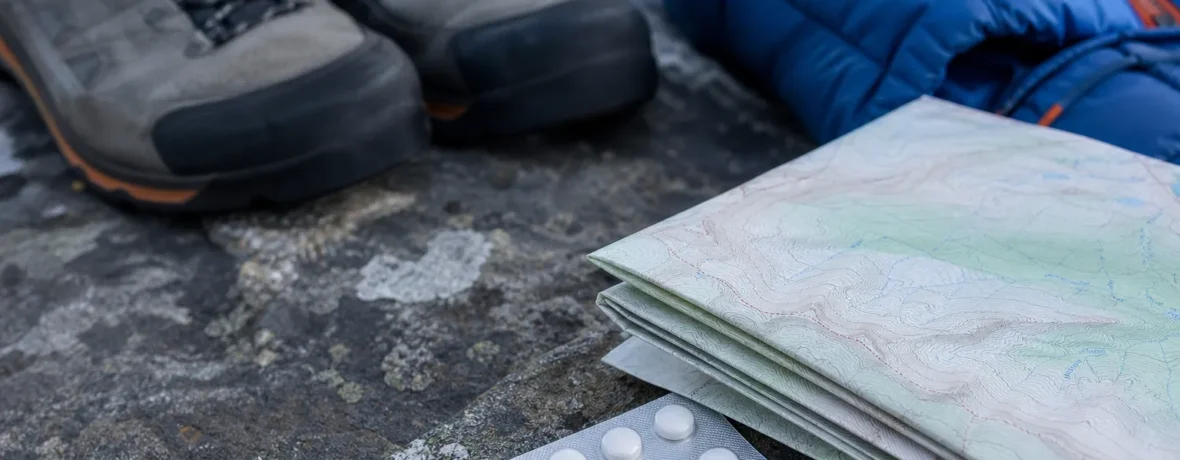
Diamox for altitude sickness can help some hikers prevent or lessen acute mountain sickness when rapid ascent is hard to avoid. Yes, it can work, but only with a clinician’s prescription and a safe plan: ascend gradually, stop going higher if symptoms start, and descend fast for severe symptoms.
What is Diamox for altitude sickness?
Diamox is a brand name for acetazolamide, a prescription medicine used to help your body acclimatize faster at elevation. The CDC Yellow Book guidance on high-altitude travel lists acetazolamide for prevention and treatment of acute mountain sickness, often shortened to AMS.
Here’s the plain-English version: at altitude, lower air pressure means your body gets less oxygen with each breath. Acetazolamide changes blood chemistry in a way that nudges you to breathe more, especially while sleeping. That can improve oxygenation and speed acclimatization.
It does not make you immune. You can still get sick. You can still need to descend. And if your plan is “take a pill and charge up the mountain,” your plan is bad.
Can Diamox prevent altitude sickness?
Yes, Diamox can reduce the risk of acute mountain sickness for hikers who are likely to ascend too quickly or who have a history of altitude sickness. The Wilderness Medical Society altitude illness guidelines describe acetazolamide as useful for prevention, especially when gradual acclimatization is not realistic.
You may be a candidate to ask your doctor about it if:
- You have had altitude sickness before.
- You are flying or driving from low elevation to a high trailhead.
- Your first night of sleep will be high, not just your day hike summit.
- Your itinerary forces big elevation gains with no rest day.
- You are hiking above 8,200 ft [2,500 m], where acute altitude illness becomes more common.
The biggest trigger is sleeping altitude. A quick summit tag from a lower camp is different from sleeping high after a huge gain. Your body does most of its acclimatizing over time, not through grit.
When should you start taking Diamox before a hike?
Many medical guidelines discuss starting acetazolamide before ascent, but your exact timing should come from the prescriber who knows your health history. Do not copy a friend’s bottle instructions or use leftover pills from an old trip.
A smart pre-trip conversation sounds like this:
- Tell your clinician your highest sleeping elevation, not just your summit elevation.
- Share your route schedule, including drive-up days, hut nights, camps, and rest days.
- Mention prior altitude symptoms: headache, nausea, dizziness, poor sleep, vomiting, confusion, or shortness of breath at rest.
- Review medical conditions, allergies, kidney history, liver history, diabetes, pregnancy, and current medicines.
- Ask what symptoms mean “stop ascending” and what symptoms mean “descend now.”
If you are planning a guided climb, trekking trip, or high route with limited exit options, handle this weeks before departure. The night before is not the time to learn you should not take a medication.
What are the side effects of Diamox?
The common side effects can be annoying enough to matter on trail. The NIH MedlinePlus acetazolamide drug information lists possible side effects and cautions, including the need to tell your doctor about sulfa drug allergy, diuretics, heart disease, liver disease, kidney disease, and diabetes.
| Possible effect | Why hikers care | Trail response |
|---|---|---|
| Tingling in fingers, toes, or face | Can feel strange, especially in cold weather | Tell your prescriber if it is severe or worrying |
| More frequent urination | Can complicate hydration and cold nights | Plan water access and bathroom stops |
| Nausea or stomach upset | Can mimic altitude illness | Do not assume all nausea is “just the pill” |
| Drowsiness or fatigue | Can affect pace, balance, and decision-making | Avoid risky terrain if you feel impaired |
Serious reactions are less common, but they matter. Mayo Clinic’s acetazolamide precautions describe warning signs such as serious allergic reactions, severe skin reactions, and liver-related symptoms. If you develop trouble breathing, swelling of the face or throat, blistering rash, yellowing skin or eyes, or severe weakness, seek urgent medical help.
Who should not take Diamox?
Some hikers should avoid Diamox or need extra medical review before using it. This is why a prescription matters.
Bring these up with your clinician before your trip:
- Allergy to acetazolamide, sulfa drugs, or diuretics
- Kidney disease or a history of kidney stones
- Liver disease
- Diabetes
- Heart or lung disease
- Pregnancy, trying to become pregnant, or breastfeeding
- Use of aspirin, diuretics, seizure medicines, lithium, or other regular medications
Do not share Diamox. Do not buy it casually overseas and guess. Do not start it for the first time deep in the backcountry unless that was part of a plan made with a medical professional.
Is Diamox a substitute for acclimatization?
No, Diamox is not a substitute for smart ascent. The best prevention is still giving your body time.
The Wilderness Medical Society recommends controlling ascent rate as a key prevention strategy. Once above 9,800 ft [3,000 m], many altitude experts advise limiting sleeping elevation gain and adding rest days during sustained climbs. Your exact itinerary depends on the route, your history, and how you feel each day.
Build your plan around these basics:
- Sleep lower than your highest point when you can.
- Add a rest day before pushing higher.
- Keep the first high-elevation day mellow.
- Eat real food, even when your appetite fades.
- Drink to thirst; do not force excessive water.
- Avoid alcohol and sedatives at altitude unless a clinician has cleared them.
- Never ascend with worsening symptoms.
That last line is the big one. Headache plus nausea, dizziness, unusual fatigue, or poor sleep can be AMS. If symptoms worsen while you climb, stop. If they do not improve, descend.
What should hikers do if altitude sickness symptoms start?
Stop ascending immediately if symptoms appear. Mild altitude sickness can sometimes improve with rest at the same elevation, but going higher while sick is how trips turn serious.
Use this field checklist:
- Stop. Do not climb higher “just to see.”
- Check the group. Ask direct questions: headache, nausea, dizziness, vomiting, unusual fatigue, confusion, poor coordination, shortness of breath at rest.
- Rest and reassess. Keep the person warm, fed, and hydrated without forcing fluids.
- Descend if symptoms worsen or fail to improve. Descent is the most reliable treatment for serious altitude illness.
- Use emergency communication early. Waiting until dark, weather, or exhaustion sets in makes everything harder.
High-altitude cerebral edema, or HACE, can show up as confusion, stumbling, severe weakness, or altered mental status. High-altitude pulmonary edema, or HAPE, can show up as shortness of breath at rest, cough, chest tightness, blue lips, or extreme fatigue. These are emergencies. Descend and get medical help.
When to see a doctor
See a doctor before your trip if you expect to sleep high, have had altitude sickness before, or have medical conditions that could complicate altitude travel. The CDC advises people with heart or lung disease to talk with a clinician familiar with high-altitude medicine before travel to high elevations.
Get urgent medical help during or after a hike if you have:
- Confusion, clumsiness, fainting, or inability to walk straight
- Shortness of breath at rest
- Chest tightness, persistent cough, or blue lips
- Repeated vomiting
- Severe headache that does not improve with rest and descent
- Signs of allergic reaction after taking medication
Do not diagnose yourself on the mountain. Treat severe symptoms as altitude illness until proven otherwise, and get lower.
Related reading
- What Is Altitude Sickness? Symptoms and Causes
- How to Prevent Altitude Sickness
- How Long Does Altitude Sickness Last?
- The 3 Stages of Altitude Sickness: AMS, HAPE, HACE
FAQ
Does Diamox cure altitude sickness?
No, Diamox does not “cure” altitude sickness in the way hikers often mean it. It can help acclimatization and may reduce symptoms, but descent is the key move when symptoms are severe or worsening.
Can I take Diamox after symptoms start?
Sometimes clinicians use acetazolamide after AMS symptoms begin, but you should follow your prescribed plan. If symptoms are moderate, severe, or worsening, do not rely on medication instead of stopping ascent or descending.
Can I drink alcohol while taking Diamox at altitude?
It is better to skip alcohol at altitude, especially while your body is acclimatizing. Alcohol can worsen sleep, dehydration, judgment, and breathing issues, which are all bad tradeoffs in thin air.
Is Diamox the same as oxygen?
No, Diamox is not oxygen. It helps your body acclimatize, while supplemental oxygen directly increases oxygen availability and is used in medical or emergency settings for altitude illness.
Do I need Diamox for a Colorado 14er?
Not always. If you live low, drive straight to high elevation, sleep high, or have a history of altitude sickness, ask a clinician before the trip; if you can acclimatize gradually, you may not need medication.
What is the safest way to prevent altitude sickness?
The safest prevention is gradual ascent, conservative pacing, and honest symptom checks. Diamox may be part of the plan for some hikers, but it should sit behind the big rule: if you are getting sicker, go down.