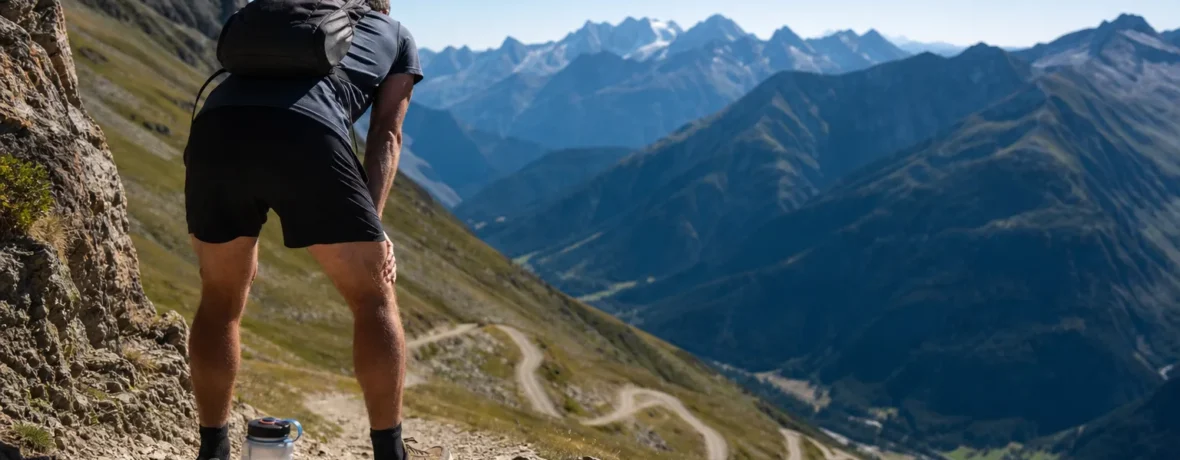
Yes. Dehydration can make breathing feel harder, especially during hiking, heat, altitude, or heavy sweating. Severe dehydration may cause rapid breathing, fast pulse, dizziness, confusion, or fainting. If breathing trouble is sudden, severe, or paired with chest pain, seek emergency help.
Can dehydration cause shortness of breath while hiking?
Yes, dehydration can make you feel winded faster on trail.
When you lose fluid through sweat, urine, vomiting, diarrhea, or simply hours of dry mountain air, your blood volume can drop. That means your heart has to work harder to move oxygen-rich blood to your legs, brain, and lungs. You may notice a pounding pulse, weaker legs, dizziness, or that annoying feeling that you cannot quite catch your breath.
This does not mean dehydration is the only cause. Shortness of breath can also come from asthma, infection, altitude illness, anxiety, heart problems, heat illness, a blood clot, or poor conditioning. On trail, it can be messy. Heat, elevation, sun exposure, and a loaded pack stack together fast.
The NIH’s MedlinePlus dehydration guidance lists rapid breathing as a reason to get medical help right away when dehydration symptoms are present. The CDC heat and health guidance also includes shortness of breath among symptoms to watch for during heat stress.
Why does dehydration make breathing feel harder?
Dehydration stresses your whole oxygen-delivery system.
Your lungs pull oxygen in. Your heart pumps it. Your blood carries it. Your muscles burn it. Dehydration makes that chain less efficient, especially when you are climbing steep grades or hiking in hot weather.
| What dehydration changes | How it can feel on trail | Why hikers notice it |
|---|---|---|
| Lower fluid volume | Fast pulse, lightheadedness | Your heart works harder to circulate blood |
| Less sweating | Hot skin, weakness, chills | Your cooling system starts to fail |
| Thicker-feeling effort | Heavy legs, higher perceived exertion | The same hill feels steeper than it did earlier |
| Heat strain | Rapid breathing, nausea, headache | Heat and dehydration push your body at the same time |
The Wilderness Medical Society heat illness guidelines state that dehydration increases physiologic strain, reduces sweat rate, raises perceived effort, and can increase core temperature. That is exactly the setup that makes a hiker feel cooked before the summit.
What are the signs your shortness of breath may be from dehydration?
Look for breathing trouble plus classic fluid-loss clues.
On its own, shortness of breath is too broad to pin on dehydration. But if it shows up with several of these signs after sweating hard, hiking in heat, or not drinking much, dehydration moves higher on the suspect list.
- Thirst that keeps nagging you
- Dry mouth or sticky saliva
- Dark yellow urine or not peeing for hours
- Headache
- Dizziness when standing or bending over
- Fast heartbeat
- Muscle cramps or unusual weakness
- Nausea or loss of appetite
- Rapid breathing
- Confusion, fainting, or trouble walking straight
Trail tip: urine color is useful, but it is not a perfect dashboard. Vitamins, foods, medications, and timing can change it. Better: pair urine clues with thirst, energy, mental sharpness, heart rate, and how hard the terrain should feel.
What should you do if you feel short of breath and dehydrated on trail?
Stop climbing and cool the problem down.
Do not try to “push through” breathing trouble. That is how a rough patch turns into a rescue call. Treat it early and keep your group close.
- Stop moving. Step off the trail safely. Sit down before dizziness knocks you down.
- Get shade. Use trees, a tarp, a boulder shadow, or your hiking partner’s body angle if that is all you have.
- Loosen tight gear. Unclip your hip belt and sternum strap. Take off extra layers.
- Sip fluids slowly. Small, steady sips usually sit better than chugging.
- Add electrolytes or salty food if you have them. This is especially helpful after hours of sweating.
- Cool your body. Wet a bandana, fan the skin, move to breezier shade, or place cool water on the neck, armpits, and groin area.
- Reassess after 10 to 15 minutes. If breathing, thinking, balance, or pulse feels wrong, turn around or call for help.
The Wilderness Medical Society recommends a drink-to-thirst approach during activity that prevents more than a 2% loss of body weight. For a 180 lb [82 kg] hiker, that is 3.6 lb [1.6 kg] of fluid loss. You do not need a scale on trail, but the number gives you the idea: small losses can matter when heat and effort are high.
How much water should you carry to prevent dehydration and shortness of breath?
Carry enough for the heat, distance, effort, and refill options.
A common hiking range is 0.5 to 1 liter per hour [17 to 34 fl oz], but your real need can shift hard. A shaded 3-mile [4.8 km] forest walk in 55°F [13°C] weather is not the same animal as a sun-blasted canyon climb at 95°F [35°C].
Use this field checklist before you leave the trailhead:
- Heat: Add capacity when temps climb above comfortable hiking weather.
- Sun: Exposed rock, sand, snow, and ridgelines dry you out faster.
- Altitude: Higher elevations can increase fluid loss through breathing.
- Distance between water sources: Do not count on seasonal creeks unless current local reports confirm flow.
- Sweat rate: Salt stains, soaked shirts, and frequent thirst mean you need more fluid and electrolytes.
- Backup treatment: Carry a filter, purifier, or chemical treatment when natural water is part of your plan.
Do not overcorrect by forcing huge amounts of plain water. Overhydration can dilute blood sodium during long efforts, a condition called exercise-associated hyponatremia. The American Family Physician summary of Wilderness Medical Society hyponatremia guidance explains that symptoms can overlap with heat illness, which is one reason trail-side guessing gets risky.
Can dehydration feel like anxiety or a panic attack?
Yes, the sensations can overlap.
Dehydration can bring a racing heart, shaky legs, lightheadedness, nausea, and fast breathing. Anxiety can do the same. Add a narrow ledge, thunder, altitude, or a long climb, and your body may hit the alarm button.
Here is the straight trail answer: treat the basics first. Stop. Breathe slowly. Drink small sips. Eat a snack if you have not eaten. Cool down. Tell your hiking partner what is happening. If symptoms settle with rest, shade, and fluids, you may have caught it early. If they do not, do not label it “just anxiety.” Get help.
Can dehydration cause chest tightness?
Dehydration may come with chest discomfort, but chest tightness needs caution.
A dry mouth and a tired body are one thing. Chest tightness is different. It can come from exertion, asthma, heat illness, anxiety, reflux, heart problems, or other serious causes. If chest tightness shows up with shortness of breath, faintness, sweating, nausea, pain spreading to the arm or jaw, or a sense that something is very wrong, treat it as urgent.
On a hike, that means stop immediately, avoid more exertion, and call emergency services if symptoms are severe, sudden, or not improving. Do not keep climbing to “see if it passes.” The summit will not care. Your heart and lungs might.
When to see a doctor
Get medical help fast if breathing trouble is more than mild and brief.
Call 911 or seek emergency care if shortness of breath is sudden, severe, worsening, or paired with any of these red flags:
- Chest pain, pressure, or tightness
- Fainting or near-fainting
- Confusion, slurred speech, or unusual behavior
- Blue lips or gray, clammy skin
- Rapid heartbeat that does not settle with rest
- Repeated vomiting or inability to keep fluids down
- No urination for many hours with weakness or dizziness
- Severe headache, poor coordination, or trouble walking
- High body heat with altered mental status
For non-emergency patterns, schedule a medical visit if you repeatedly feel short of breath on hikes that used to feel normal, if you are getting winded on easy terrain, or if symptoms appear in cool weather without heavy exertion. Dehydration may be part of the story, but it should not be the only story you consider.
How can you prevent dehydration-related breathing problems on hikes?
Start hydrated, pace honestly, and manage heat before it manages you.
Simple beats fancy here. Most hikers get into trouble by starting dry, moving too fast, skipping salt, or underestimating sun exposure.
- Drink before the trailhead. Do not begin a hot hike already thirsty.
- Use steady sips. Waiting until you feel wrecked usually means you are late.
- Eat real snacks. Fluid works better when your body also has sodium and calories during long efforts.
- Back off the pace. If you cannot talk in short sentences, slow down.
- Cover up smartly. A breathable sun hoodie or wide-brim hat can beat bare skin roasting in direct sun.
- Plan water points. Know where you can refill and what treatment you will use.
- Turn around early. If you are rationing water before halfway, your plan has already failed.
Hot weather is not the only dehydration setup. Cold, dry air can fool you because sweat evaporates quickly and you may not feel thirsty. Winter hiking still costs fluid through breathing, sweat, and effort under layers.
Related reading
- Can Dehydration Cause High Blood Pressure?
- Can Dehydration Cause Dizziness?
- Can Dehydration Cause a Fever?
- Can Dehydration Cause Headaches?
FAQ
Can dehydration cause shortness of breath at rest?
Yes, severe dehydration can be linked with rapid breathing even at rest. But shortness of breath while resting can signal serious heart, lung, heat, or metabolic problems, so get medical help if it is sudden, severe, or unusual for you.
Can dehydration make your heart race?
Yes, dehydration can make your heart beat faster because there is less circulating fluid for your body to work with. A racing heart plus dizziness, confusion, fainting, chest pain, or shortness of breath needs urgent attention.
Does drinking water fix shortness of breath from dehydration?
Sometimes mild symptoms improve with rest, shade, cooling, and steady sips. If breathing trouble does not improve quickly, or if it comes with red flags, do not keep drinking and waiting—seek medical care.
Can electrolytes help if dehydration causes breathing trouble?
Electrolytes can help replace salt lost through sweat during long, hot, or strenuous hikes. They are not a treatment for severe shortness of breath, chest pain, confusion, or collapse.
How do I know if it is dehydration or altitude?
You may not know on trail because symptoms can overlap: headache, fatigue, nausea, dizziness, and shortness of breath can happen with both. If symptoms worsen as you gain elevation, stop ascending, rest, hydrate carefully, and descend if symptoms do not improve.
Should I keep hiking if I feel dehydrated and winded?
No, stop and reassess before continuing. Rest in shade, sip fluids, cool down, and turn back if symptoms persist, worsen, or return as soon as you start walking.