Yes. Oral Benadryl may help you sleep through the itch, but it does not remove urushiol oil or speed healing. A typical poison ivy rash clears in 2 to 3 weeks, and topical antihistamines can make the rash worse.
Does Benadryl Help With Poison Ivy Itching?
Sometimes, but mostly because it can make you drowsy.
Poison ivy rash is allergic contact dermatitis from urushiol, the sticky plant oil found in poison ivy, poison oak, and poison sumac. The itch can be fierce. Benadryl’s active ingredient, diphenhydramine, is an antihistamine, and the CDC lists diphenhydramine as one option that may help relieve itching from poisonous plant exposure.
Here’s the straight trail answer: Benadryl may help at night if the itch is keeping you awake. It will not “dry up” the rash, pull the oil from your skin, or shorten the whole misery show. The Mayo Clinic says poison ivy usually goes away on its own in 2 to 3 weeks, with self-care aimed at calming itch and swelling.
One more thing before you toss it in your first-aid kit: Benadryl can cause drowsiness. The DailyMed Benadryl label warns against alcohol and cautions with driving or operating machinery. That matters when you still need to drive home from the trailhead.
Can You Put Benadryl Cream on Poison Ivy?
No, skip topical Benadryl on poison ivy.
This is where hikers get tripped up. Oral Benadryl and Benadryl cream are not the same trail decision. The American Academy of Dermatology says not to apply antihistamines to the skin for poison ivy, oak, or sumac because they can worsen the rash and itch.
That includes topical diphenhydramine products marketed for itch. If your skin is already angry, blistered, and leaking fluid, adding another sensitizing ingredient is not the move. Use boring, proven relief instead: cool water, wet compresses, calamine, or hydrocortisone cream when appropriate.
What Actually Helps Poison Ivy Rash on the Trail?
Fast washing helps most right after exposure.
Urushiol is sticky. It clings to skin, socks, trekking poles, dog fur, boot laces, and the inside of your pack’s hip belt. The sooner you remove it, the better your odds of a smaller reaction.
- Rinse exposed skin with cool running water as soon as you can. Do not scrub hard; irritated skin does not need sandpaper treatment.
- Use mild soap if available, then rinse well. Wash under fingernails too.
- Bag contaminated clothes until they can be washed. Do not re-wear the shirt you shoved into your pack.
- Clean gear that touched the plant: poles, gloves, gaiters, shoes, dog leash, camp chair arms.
- Cool the itch with wet compresses for 15 to 30 minutes at a time.
- Use calamine lotion, hydrocortisone cream, or an oatmeal bath product for itch relief, following the product label.
The NIH MedlinePlus guide to poison ivy, oak, and sumac rash also lists calamine lotion and hydrocortisone cream as options that can reduce itching and blistering.
Benadryl vs Other Poison Ivy Treatments: What Should You Use?
Pick the tool that matches the problem.
Benadryl is not a magic eraser. Think of poison ivy care like a small repair kit: one thing removes oil, another cools skin, another helps you sleep, and a doctor handles the nasty cases.
| Option | What it may help | Watch-outs |
|---|---|---|
| Cool water and soap | Removes urushiol after exposure | Works best early; clean gear too |
| Calamine or hydrocortisone cream | Itch, redness, mild swelling | Follow the label; avoid broken or infected-looking skin unless a clinician says otherwise |
| Oral Benadryl | Nighttime itch and sleep | Can cause drowsiness; avoid alcohol and be careful driving |
| Topical antihistamine cream | Not recommended for poison ivy | Can worsen rash or itch |
How Long Does Poison Ivy Last With Benadryl?
Benadryl does not make poison ivy heal faster.
A poison ivy rash commonly runs its course over 2 to 3 weeks, even if you treat the itch well. That timeline can feel insulting when your forearm looks like bubble wrap and your ankle cuffs are on fire. Still, the goal is comfort and preventing infection, not forcing instant clearance.
If new patches show up over several days, that does not always mean the rash is spreading from blister fluid. More often, different skin areas reacted at different speeds, or urushiol remained on clothing, gear, or pet fur. Blister fluid itself is not what spreads poison ivy. The oil does.
What Should Be in a Hiker’s Poison Ivy Kit?
Carry simple stuff that works.
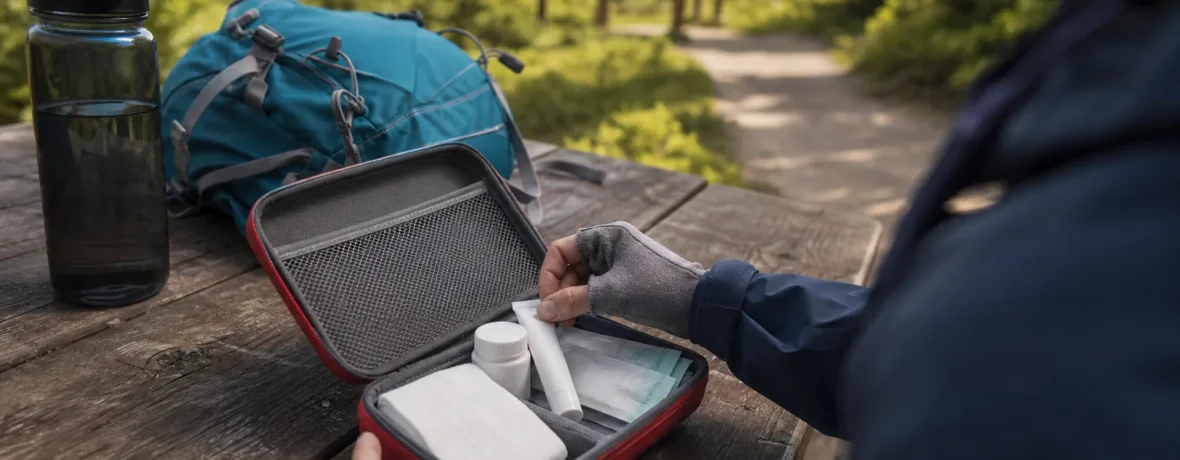
You do not need a pharmacy in your daypack. You need a small, smart kit that buys you comfort until you can shower and wash clothes.
- Travel-size mild soap or poison-plant wash
- A few clean bandanas or gauze pads for wet compresses
- Small tube of hydrocortisone cream
- Calamine packets or a small bottle for car camping
- Disposable gloves for handling contaminated clothes or gear
- A sealable plastic bag for oily socks, sleeves, or gloves
- Your usual oral antihistamine, if your clinician says it is safe for you
When to See a Doctor
Get medical help for severe, widespread, infected, or high-risk rashes.
Most poison ivy rashes are miserable but manageable at home. Some need professional care. The CDC says to get medical help for severe cases or when the rash is on the face or genitals. Mayo Clinic also says medical treatment may be needed if the rash spreads widely, lasts more than a few weeks, or becomes infected.
Call a healthcare professional if you have:
- Rash on your face, eyes, mouth, or genitals
- Severe swelling
- Many blisters or a rash covering large areas
- Fever, pus, increasing warmth, red streaks, or worsening pain
- Itching that keeps you from sleeping even with home care
- A rash that is not improving after several weeks
- Trouble breathing after exposure to smoke from burning poison ivy, oak, or sumac
Do not burn poison ivy. Smoke can carry plant particles and irritate the airways. If breathing feels hard after smoke exposure, seek emergency care.
Can You Hike With Poison Ivy?
Yes, if symptoms are mild and you can avoid making it worse.
A small patch on your shin does not automatically cancel your weekend. Cover it with breathable clothing, keep it cool, and avoid scratching. If your pack strap rubs the rash raw, change plans. Friction plus sweat is a bad combo.
Stay off the trail if you feel sick, the rash is near your eyes, swelling is getting worse, or you need a sedating medication and still have to drive. Benadryl and technical terrain do not pair well. Neither do Benadryl and a long night drive home.
How Do You Prevent Poison Ivy Next Time?
Block the oil before it reaches your skin.
Prevention is not glamorous. It works anyway. Wear long pants on brushy trails, learn “leaves of three,” and do a full gear wash after walking through overgrown edges. Urushiol can stick around on unwashed gear, so the same trekking pole grip can annoy you again days later.
- Wear long pants and crew-height socks in brush.
- Use gaiters when pushing through weedy trail edges.
- Keep dogs from running through poison ivy patches.
- Wash skin after hikes where exposure was possible.
- Launder clothes separately if they brushed the plant.
- Clean boots, poles, gloves, and tools with soap and water.
Related reading
- What Does Poison Ivy Look Like? Leaves of Three and Lookalikes
- How Long Does Poison Ivy Last?
- Is Poison Ivy Contagious?
- What Does a Poison Ivy Rash Look Like?
FAQ
Does Benadryl dry up poison ivy?
No. Benadryl does not dry up poison ivy or remove urushiol oil. It may help some people sleep through itching, while skin protectants like calamine can help dry oozing areas.
Is Benadryl or hydrocortisone better for poison ivy?
Hydrocortisone is usually more directly aimed at the skin reaction. Benadryl may be more useful at night if itch keeps you awake, but it can make you drowsy.
Can poison ivy spread from scratching?
Not from blister fluid. Scratching can irritate skin and raise infection risk, and leftover urushiol under nails or on gear can cause new exposure.
Should I pop poison ivy blisters?
No. Leave blisters alone. The loose skin helps protect the raw skin underneath and lowers infection risk.
How soon should I wash after touching poison ivy?
Wash as soon as you can. Use cool water and mild soap, then clean clothing, shoes, poles, gloves, and anything else that may carry urushiol.
Can kids take Benadryl for poison ivy?
Ask a pediatrician or pharmacist first. Children need age-appropriate guidance, and some diphenhydramine products are not meant for young kids.