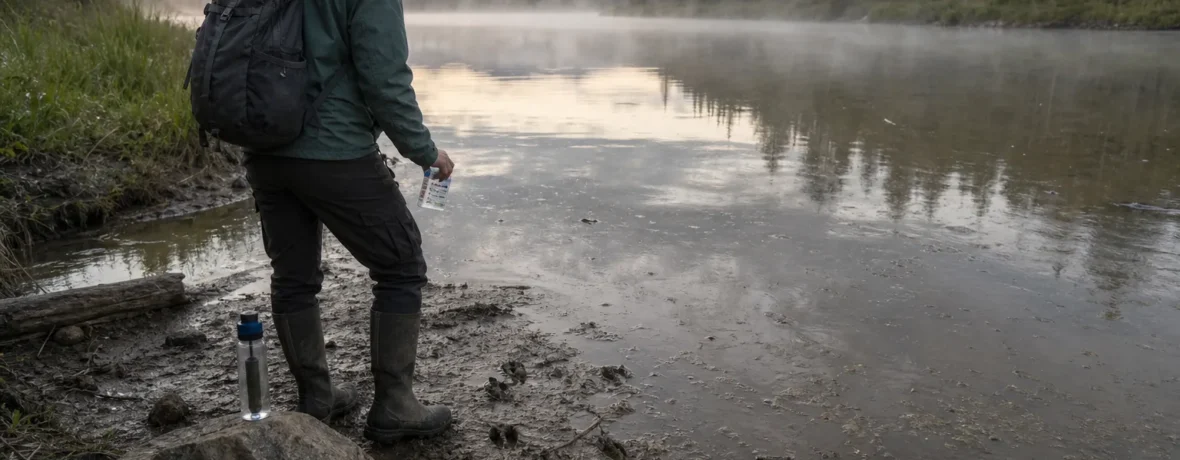
Leptospirosis is a bacterial infection spread through urine from infected animals into water or soil. You can get it from lakes, streams, floodwater, or mud, especially with cuts or swallowed water. Symptoms usually start 5-14 days after exposure, with a 2-30 day range.
What is leptospirosis?
Leptospirosis is an infection caused by Leptospira bacteria. The CDC describes leptospirosis as a disease that affects people and animals and can be found in contaminated water or soil.
For hikers, paddlers, trail runners, anglers, and backpackers, the key word is contaminated. The water does not need to look nasty. A clear creek can still carry bacteria if animal urine has washed into it. Rodents, livestock, dogs, wildlife, and other mammals can shed the bacteria in urine. From there, rain and runoff do the dirty work.
The bacteria can enter your body through cuts, scrapes, softened skin after long water exposure, or mucous membranes such as your eyes, nose, and mouth. Swallowing untreated water raises the risk, too.
Can you get leptospirosis from lakes and streams?
Yes, you can get leptospirosis from freshwater lakes, streams, rivers, ponds, mud, and floodwater. The risk climbs when animal urine contaminates the water, especially after heavy rain, hurricanes, flooding, or in warm regions where bacteria survive longer.
This is not a “never touch wild water again” warning. That would be silly. Plenty of hikers splash across creeks every weekend and never get sick. But the risk is real enough that you should treat suspect water with respect, especially if you have open skin or plan to swim, wade, or put your head under.
| Water situation | Risk signal | Trail call |
|---|---|---|
| Floodwater or storm runoff | Higher chance of animal urine and sewage contamination | Avoid wading or swimming if you can |
| Warm, slow, muddy water | Bacteria may persist better in wet soil and stagnant water | Keep cuts covered and avoid swallowing water |
| Clear mountain stream | Lower-looking risk, but not sterile | Filter or treat before drinking |
| Water near livestock, rodents, or campsites | More animal contact around the source | Choose another source if possible |
How does leptospirosis get into freshwater?
Animal urine is the main route. Infected animals can pee on soil, rocks, banks, puddles, farm fields, campsites, or directly into water, and rain can wash the bacteria into streams and lakes.
The CDC says the bacteria can survive in contaminated water or soil for weeks to months. That matters on trail because you may not see the source. No dead animal. No obvious farm. No smell. Just a pretty creek crossing that picked up runoff a mile upstream.
Common outdoor risk settings include:
- Swimming, rafting, kayaking, canyoneering, or adventure racing in freshwater
- Wading through floodwater or post-storm trail washouts
- Hiking with open cuts, blisters, cracked heels, or scraped shins
- Camping near rodent-heavy areas or poorly stored food
- Drinking untreated water from lakes, streams, ponds, or springs
- Handling wet gear, mud, or animals, then touching your mouth or eyes
What are the symptoms of leptospirosis after hiking or swimming?
Leptospirosis symptoms often look like a rough flu at first. According to the CDC clinical overview, symptoms can include fever, muscle aches, headache, vomiting, nausea, diarrhea, chills, abdominal pain, fatigue, red eyes, jaundice, and sometimes a rash.
The tricky part: those symptoms overlap with many trail-adjacent problems. Heat illness. A stomach bug. COVID. Flu. Food poisoning. Altitude misery. That is why your exposure history matters. If you were swimming in a lake, slipped into a creek, waded after a storm, or drank untreated water, say that clearly when you talk to a clinician.
Watch especially for these red flags:
- Fever after freshwater exposure
- Severe headache or stiff neck
- Calf or lower back muscle pain
- Red eyes without obvious discharge
- Yellow skin or yellow eyes
- Shortness of breath
- Confusion, fainting, or severe weakness
- Reduced urination or dark urine
Most outdoor stomach scares are not leptospirosis. Still, this is one infection where waiting too long can make the climb steeper.
How long after exposure do leptospirosis symptoms start?
Symptoms usually begin 5-14 days after exposure, but the full incubation range is 2-30 days. The CDC Yellow Book gives that 2-30 day range for travel-associated leptospirosis.
That wide window can make the source hard to spot. You might swim on Saturday, feel fine for a week, then get slammed the next Friday. Or you might return from a backpacking trip and get sick after you are already back at work, blaming the office instead of the creek crossing.
If you’re trying to reconstruct exposure, write down:
- The date you were in freshwater or mud
- Whether you had cuts, blisters, or raw skin
- Whether you swallowed water
- Whether the area had flooding or heavy rain
- Any contact with livestock, rodents, dogs, or wildlife
- The date symptoms started
How can you prevent leptospirosis on the trail?
You prevent leptospirosis by keeping suspect water and mud out of your body. You do not need to hike scared; you need a few hard rules that become automatic.
- Cover cuts before water crossings. Use waterproof bandages on scrapes, blisters, and cracked skin before you wade or swim.
- Do not drink untreated water. Filter, boil, or chemically treat backcountry water before drinking it.
- Avoid swallowing lake or stream water. This is especially true when swimming, packrafting, or dunking your head.
- Skip floodwater when possible. Floodwater can carry animal urine, sewage, fuel, sharp debris, and other hazards.
- Wear shoes in natural water. Bare feet pick up cuts fast on rocks, shells, sticks, and broken glass.
- Wash hands before eating. Use soap and clean water, or hand sanitizer when soap is not available.
- Store food tightly at camp. Rodents around your food bag are more than an annoyance.
- Keep dogs from drinking puddles and stagnant water. Ask your veterinarian about leptospirosis risk and vaccination for your area.
If you travel to tropical or subtropical hiking destinations, be extra sharp around freshwater. MedlinePlus notes that recreational freshwater activities such as swimming, canoeing, kayaking, and trail biking in warm areas are risk factors.
What should you do if you swam with a cut or swallowed stream water?
Clean up, track the date, and watch for symptoms for 30 days. Exposure does not mean you are infected, and you should not diagnose yourself from one creek dunk.
Do this after a questionable exposure:
- Wash skin with clean water and soap. Pay attention to cuts, blisters, and scraped areas.
- Rinse eyes and mouth with clean water if muddy or untreated water splashed in.
- Change out of wet clothes when you can, especially after long exposure.
- Disinfect and cover wounds with clean dressings.
- Write down the exposure date and location.
- Call a healthcare provider if fever or other symptoms appear in the next 2-30 days.
Do not self-treat with leftover antibiotics. Treatment choices depend on your health history, symptoms, timing, pregnancy status, allergies, and how sick you are.
When to see a doctor
See a doctor right away if you develop fever or flu-like symptoms after freshwater, mud, floodwater, or animal urine exposure. Tell the clinician exactly where you hiked or swam and when the exposure happened.
The CDC says early antibiotic treatment may reduce illness severity and duration, and severe cases may need IV antibiotics or hospital care. This article cannot diagnose you, rule out leptospirosis, or tell you which medicine to take.
Get urgent medical help now if you have yellow skin or eyes, trouble breathing, confusion, severe headache with stiff neck, fainting, chest pain, very little urine, or symptoms that are getting worse fast. Those signs need real medical care, not trail-forum guessing.
Testing may involve blood, serum, urine, or other samples depending on timing. Mayo Clinic Laboratories notes that a single negative test should not always exclude leptospirosis when symptoms and exposure fit, so follow your clinician’s plan if they want repeat or different testing.
Related reading
- Lyme Disease Symptoms After a Hike
- Hantavirus and Camping: Cabins, Shelters and Risk
- Electrolytes for Hikers: What They Are and How Much You Need
- What Does Poison Ivy Look Like? Leaves of Three and Lookalikes
FAQ
Can you get leptospirosis from clear water?
Yes, clear water can still carry leptospirosis bacteria. You cannot reliably see, smell, or taste contamination from animal urine in a lake or stream.
Does filtering water remove leptospirosis?
A proper backcountry water treatment plan lowers your risk from many waterborne hazards. Use a filter or purifier according to its label, and consider boiling or chemical treatment when water is muddy, suspect, or collected after flooding.
Can leptospirosis spread from person to person?
Person-to-person spread is rare. Leptospirosis usually spreads through contact with infected animal urine or water and soil contaminated by that urine.
Is leptospirosis always severe?
No, some people have mild illness or no symptoms. Severe leptospirosis can affect the kidneys, liver, lungs, or brain lining, so symptoms after risky freshwater exposure deserve medical attention.
Should I avoid all lake and stream swimming?
No, but choose your water wisely. Avoid floodwater, don’t swim with open wounds, keep water out of your mouth, and be more cautious after heavy rain or near livestock, rodents, and stagnant muddy areas.
Can dogs get leptospirosis on hikes?
Yes, dogs can get leptospirosis from contaminated water, soil, or urine. If your dog hikes, swims, or drinks from puddles and streams, ask your veterinarian about local risk and prevention.