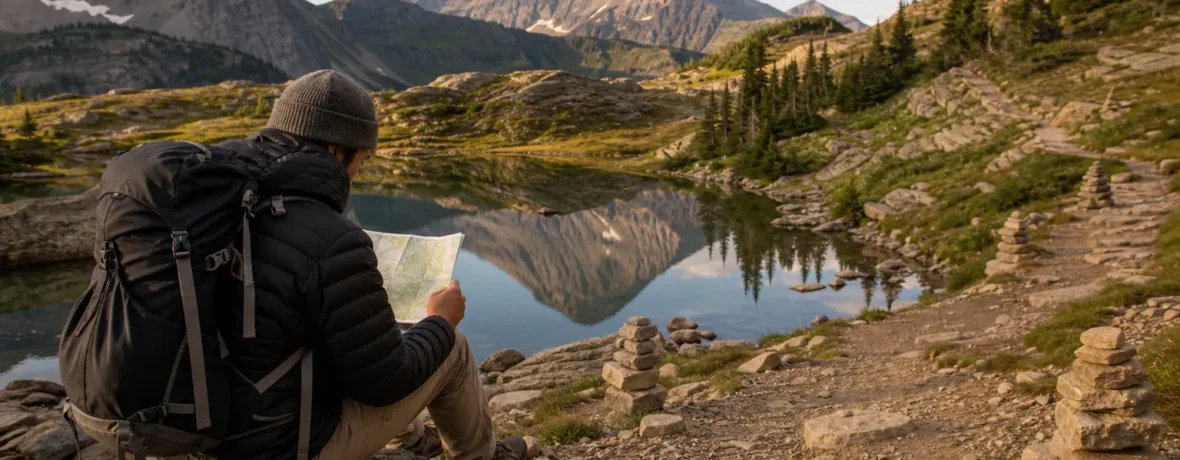
Most hikers need 3 to 5 days in Glacier National Park. Three days lets you see Going-to-the-Sun Road, Logan Pass, Many Glacier, and one longer trail. Five days gives you breathing room for Two Medicine, weather delays, and slower sunrise-to-sunset exploring.
How many days in Glacier National Park is enough?
Three full days is enough for a strong first trip.
That gives you one day for Going-to-the-Sun Road and Logan Pass, one day for Many Glacier, and one day for either Two Medicine, Lake McDonald, or a backup hike if weather blocks the high country. Glacier is not a quick “pull over, take a photo, leave” park. The roads are slow, parking fills early in peak season, and the best views usually ask you to walk.
If you love hiking, aim for 4 or 5 days. That extra time changes the trip. You stop rushing. You can take a hard trail one day, a lake-and-waterfall day the next, then drive to the east side without feeling like you are burning half your vacation in the car.
| Trip length | Best for | What you can realistically do |
|---|---|---|
| 1 day | Road-trip stop | Drive Going-to-the-Sun Road, short walks, viewpoints |
| 2 days | Fast sampler | Logan Pass, Lake McDonald, one east-side area |
| 3 days | First-time hikers | One major hike, one scenic drive day, one second park region |
| 5 days | Best all-around trip | Multiple regions, weather buffer, sunrise starts, longer trails |
Can you see Glacier National Park in one day?
Yes, but one day only gives you a highlight reel.
If you have a single day, spend it on Going-to-the-Sun Road when the road is open from end to end. Start before sunrise, enter from West Glacier or St. Mary, and make Logan Pass your centerpiece. Add short walks near Lake McDonald, Jackson Glacier Overlook, Sun Point, or St. Mary Lake depending on your direction and parking luck.
Do not plan a giant hike on a one-day visit unless hiking is the entire point. The park’s roads are narrow, scenic, and slow. You will want to stop often. You should also check the official NPS road, trail, and campground status page before committing to any route, since snow, fire, construction, rockfall, and bear activity can change the day fast.
Is 2 days enough for Glacier National Park?
Two days is enough for a quick, satisfying taste.
Use one day for Going-to-the-Sun Road and Logan Pass. Use the second day for Many Glacier if you want big hiking scenery, or Lake McDonald and Avalanche if you want easier logistics from the west side.
A smart 2-day plan looks like this:
- Day 1: Drive Going-to-the-Sun Road, stop at Logan Pass, hike Hidden Lake Overlook at 2.8 miles [4.5 km] round trip if conditions allow.
- Day 2: Head to Many Glacier for lake views and a longer trail, or stay west for Trail of the Cedars and Avalanche Lake at 4.5 miles [7.2 km] round trip.
The catch? Two days gives you almost no cushion. If a storm pins the peaks in cloud, if parking is full, or if a trail is closed, you will feel it.
Is 3 days enough in Glacier National Park?
Yes, 3 days is the sweet spot for many first-time visitors.
With 3 days, you can stop treating the map like a checklist. You can spend a full day in the Logan Pass area, a full day in Many Glacier, and a third day on either the west side or Two Medicine.
Here is a clean 3-day hiking plan:
- Day 1: Going-to-the-Sun Road and Logan Pass. Start early, walk the boardwalk toward Hidden Lake Overlook, and save time for St. Mary Lake stops.
- Day 2: Many Glacier. Pick one longer hike, then recover by the lake. This is one of the strongest hiking zones in the park.
- Day 3: Avalanche, Lake McDonald, or Two Medicine. Choose based on where you are sleeping and what the weather is doing.
For 2026 access planning, the park states that vehicle reservations are not required, while Logan Pass access uses different parking and shuttle procedures; check the official Glacier vehicle reservations page before your trip. As of November 2026, entrance passes are cashless and the standard entrance pass range listed by NPS is $20-$35; confirm current fees on the official Glacier fees page.
How many days do you need for hiking in Glacier National Park?
Hikers should plan 4 to 5 days if they can.
Glacier’s best trails are spread across separate valleys. Many Glacier is not beside Lake McDonald. Two Medicine is not a quick hop from Logan Pass. The map looks compact until you start driving mountain roads and waiting for parking.
A 5-day hiking-first plan gives you options:
- Day 1: Lake McDonald, Trail of the Cedars, and Avalanche Lake.
- Day 2: Logan Pass and a high-country hike when trails are clear.
- Day 3: Many Glacier for a marquee day hike.
- Day 4: Two Medicine for lakes, ridges, and a quieter feel.
- Day 5: Weather buffer, favorite area repeat, or a shorter recovery hike.
If you plan to camp overnight in the backcountry, you need a wilderness permit. As of November 2026, NPS says a wilderness use permit is required for overnight backcountry camping, and summer permits can be reserved in advance or obtained through walk-up availability; start with the official Glacier wilderness permit guide.
What is the best month to visit Glacier National Park?
Late July through early September is the safest window for high-country hiking.
That does not mean it is quiet. It means the odds are better for open alpine roads, melted-out trails, boat tours, full services, and long hiking days. June can be gorgeous, but snow often lingers on upper trails. October can be crisp and empty-feeling, but services shrink and storms can shut down high places fast.
For hiking, think this way:
- June: Waterfalls, snow patches, fewer open alpine trails.
- July: Wildflowers build, crowds rise, high trails improve.
- August: Prime hiking conditions, busy parking, possible wildfire smoke.
- September: Cooler hiking, thinner crowds after Labor Day, shorter days.
Where should you stay for a 3- to 5-day Glacier trip?
Stay on both sides of the park if you have 4 or 5 days.
For a 3-day trip, one base can work, especially if you hate repacking. West Glacier, Columbia Falls, and Whitefish make sense for Lake McDonald and the west entrance. St. Mary, Babb, and Many Glacier lodging areas put you closer to the east-side trailheads.
For 5 days, split the trip: two nights west, two or three nights east. That cuts down on repeat driving and gets you closer to sunrise starts. In Glacier, being near the trailhead is not a luxury. It is a strategy.
What should you pack for the number of days you choose?
Pack for cold rain, hot sun, wind, and trail delays on every Glacier trip.
The mountains make their own plans. Even on a short visit, carry the basics rather than dressing for the parking lot.
- Rain shell and warm layer
- Broken-in hiking shoes or boots
- Bear spray carried where you can reach it
- Paper map or downloaded offline map
- Headlamp, even for day hikes
- Water, snacks, and extra calories
- Sunglasses, sunscreen, and brimmed hat
- Small first-aid kit
Related reading
- How Many Days Do You Need in Zion National Park?
- Where to Stay in Glacier National Park
- Closest Airports to Glacier National Park
- What to Do in Glacier National Park: Top Hikes
FAQ
How many days should a first-time visitor spend in Glacier National Park?
Spend 3 days in Glacier National Park for a strong first visit. That gives you time for Going-to-the-Sun Road, Logan Pass, Many Glacier, and one flexible hiking or lake day.
Is 4 days too much for Glacier National Park?
No, 4 days is not too much. Four days lets you hike at a saner pace, visit both sides of the park, and keep one slot open for weather or trail changes.
Can you do Glacier and Yellowstone in one trip?
Yes, but give the trip enough time. Plan at least 3 days for Glacier, then add the driving day and separate days for Yellowstone so both parks do not turn into windshield tourism.
Do you need a car in Glacier National Park?
A car gives you the most flexibility in Glacier. Shuttles and tours can help in specific corridors, but hikers who want sunrise starts, east-side trailheads, or flexible backup plans will be happier with their own vehicle.
How early should you start hiking in Glacier?
Start at sunrise for popular trailheads in peak season. Early starts help with parking, cooler temperatures, wildlife awareness, and finishing longer hikes before afternoon storms build.