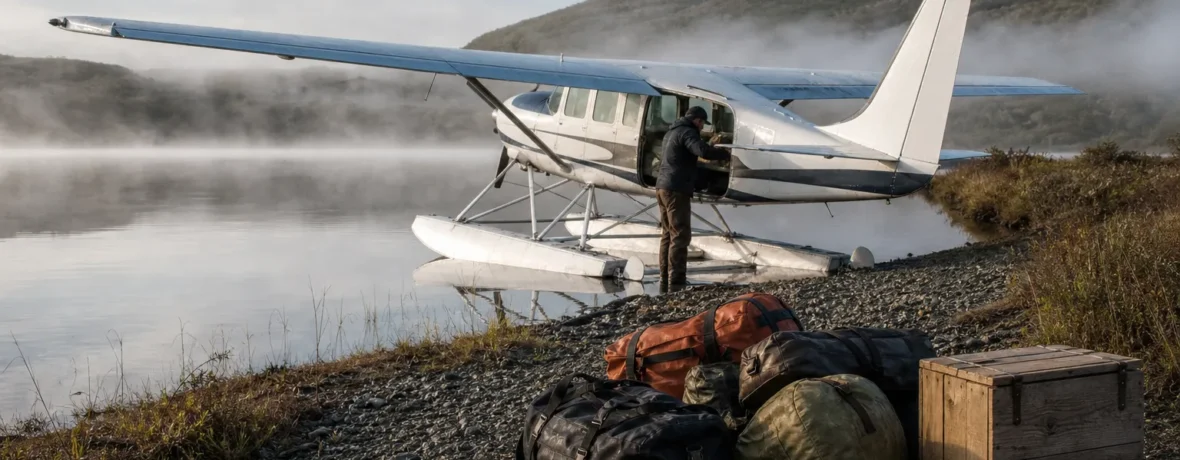
The simplest way for how to get to Katmai National Park is to fly to Anchorage, take a commercial flight 290 air miles (467 km) southwest to King Salmon, then continue by floatplane or water taxi to Brooks Camp. You cannot drive there; Katmai is reached almost entirely by plane or boat.
Can you drive to Katmai National Park?
No, you cannot drive to Katmai National Park from Anchorage or the Lower 48.
Katmai sits on the northern Alaska Peninsula, across water and roadless country from Alaska’s main highway system. There is no road connection to Brooks Camp, King Salmon, or the park interior. That changes the whole trip. You plan Katmai like a small expedition, not like a standard national park road trip.
The National Park Service directions page for Katmai says the park is accessed almost entirely by plane or boat, with common starting points including Anchorage, King Salmon, Homer, Kodiak, Kenai, and Dillingham. For most first-time visitors, Brooks Camp is the target because it has the bear-viewing platforms, campground, lodge, visitor center, and access to short hikes.
How to get to Katmai National Park from Anchorage?
Fly from Anchorage to King Salmon, then take a floatplane or water taxi into the park.
This is the classic Brooks Camp route. It is also the easiest one to organize if you are flying in from the continental U.S.
- Fly to Anchorage. Ted Stevens Anchorage International Airport is the main hub for visitors heading to Katmai.
- Fly from Anchorage to King Salmon. King Salmon is the park headquarters community and sits 290 air miles (467 km) southwest of Anchorage.
- Transfer to Brooks Camp. From King Salmon, book an authorized floatplane air taxi or water taxi to Brooks Camp.
- Check in at Brooks Camp Visitor Center. All Brooks Camp visitors must attend the mandatory bear-safety orientation as of November 2026.
Build slack into the plan. Weather delays are normal in this part of Alaska. Fog, wind, rain, and rough water can push small aircraft and boats off schedule. If you book a tight same-day connection out of Anchorage after leaving Brooks Camp, you are gambling with the weather. Give yourself a buffer night on both ends if your budget and calendar allow.
What is the best way to get to Brooks Camp?
The best way to reach Brooks Camp is usually Anchorage to King Salmon to Brooks Camp.
Brooks Camp is the most popular jumping-off point in Katmai because it gives you the highest concentration of visitor services. You get bear platforms, a visitor center, a developed campground, Brooks Lodge, food services through the concessioner, and access to hikes near Naknek Lake and Brooks River.
Most visitors arrive at Brooks Camp by small float-equipped aircraft. A water taxi from the King Salmon area is another option when conditions allow. If you are aiming for the Katmai coast, Hallo Bay, Geographic Harbor, or the Funnel/Moraine area instead of Brooks Camp, you may fly directly from Anchorage, Homer, Kodiak, Kenai, or another Alaska town with an authorized operator.
Use the official NPS list of authorized Katmai transportation providers as your starting point. Operators change routes, schedules, aircraft, baggage limits, and prices, so contact them directly before you build the rest of your itinerary.
| Route | Best for | Watch-outs |
|---|---|---|
| Anchorage → King Salmon → Brooks Camp | First-time visitors, Brooks Falls, campground, lodge | Weather delays; separate flight and water/air transfer |
| Anchorage → direct air taxi to Katmai | Guided day trips or custom routes | Higher cost; baggage and weather limits |
| Homer/Kodiak/Kenai → Katmai coast | Coastal bear viewing and guided wilderness trips | Tides, surf, beach landings, fewer services |
| King Salmon → water taxi → Brooks Camp | Visitors already in King Salmon | Lake and river conditions can affect timing |
How much does it cost to enter Katmai National Park?
Katmai has no entrance fee as of November 2026.
The official NPS fees and passes page for Katmai lists the park as free to enter, with no entrance pass required. That does not make the trip cheap. The big costs are air travel, boat or floatplane transfers, lodging, campground reservations, guided trips, food, and extra buffer nights caused by weather.
For Brooks Camp Campground, as of November 2026, Recreation.gov lists a $6 reservation fee, $18 per person per night from June 1 through September 17, and $10 per person per night during the shoulder seasons of May 1 through May 31 and September 18 through October 31. Group size is limited to 6 people per permit. Always recheck Recreation.gov before booking because campsite rules and release windows can change.
Do you need permits or reservations for Katmai?
You need reservations for Brooks Camp Campground, but no backcountry camping permit is required in most of Katmai.
Brooks Camp is the place where planning gets tight. Campsites are limited, July demand is fierce, and you should not arrive expecting an open spot. The campground is the only developed campground in the park, and reservations are handled through Recreation.gov. If the campground is full, you need to be ready for a different plan, such as staying at Brooks Lodge, staying outside the park, or camping in legal backcountry zones away from Brooks Camp.
As of November 2026, Recreation.gov states that more than 4 million acres (1.6 million ha) of Katmai are open to backcountry and wilderness camping, but backcountry camping is not permitted within the Brooks Camp Developed Area, defined as the area within 1.5 miles (2.4 km) of Brooks Falls. The same source lists a seasonal closure for the core Hallo Bay meadows from April 1 through October 31.
Special-use permits may apply for commercial filming, guiding, research, events, or other non-standard activities. Regular hikers and campers should still talk with rangers before heading into the backcountry. Katmai is big, wet, brushy, and full of bears. A five-minute ranger conversation can save you from a bad route choice.
When is the best time to visit Katmai for bears and hiking?
July is the prime Brooks Falls bear-viewing month, while summer and early fall give hikers the most practical access.
If you have seen photos of bears catching salmon at Brooks Falls, those shots are usually tied to the July salmon run. The NPS Brooks Camp hiking page lists the Brooks Falls Trail as 1.2 miles (2 km) one way and says bear viewing at the falls is best during the July salmon run. September can also bring bear activity near Brooks Camp, but the mood is different. Fewer crowds. More fall weather. Shorter days.
For hiking, expect wet ground, fast-changing weather, and cool temperatures even in summer. This is not a dry-trail, bluebird-sky park. Rain gear belongs in your daypack every single time.
Popular hikes and routes near Brooks Camp include:
- Brooks Falls Trail: 1.2 miles (2 km) one way, easy, wheelchair accessible, and the classic route to the bear-viewing platforms.
- Cultural Site Trail: 0.1 miles (0.2 km) one way from the visitor center to a reconstructed traditional dwelling.
- Lake Brooks Road: 1 mile (1.6 km) one way to Lake Brooks, with a picnic area, food cache, and vault toilet.
- Dumpling Mountain Trail: 1.5 miles (2.4 km) one way to the overlook, gaining 800 feet (244 m), with a longer option to the 2,440-foot (744 m) summit.
- Valley of Ten Thousand Smokes Road: 23 miles (37 km) one way, usually reached by bus tour unless you are planning a serious hike or backcountry trip.
How many days do you need in Katmai National Park?
Plan at least 2 nights for Brooks Camp if you can.
A day trip can work. Plenty of visitors fly in, watch bears, walk the Brooks Falls Trail, and fly back out. But a day trip gives weather, bear movement, platform crowding, and flight timing too much power over your only chance.
Two or three days gives you breathing room. You can watch the lower river in the morning, hike to Brooks Falls, spend time at the visitor center, and add Dumpling Mountain or the Valley of Ten Thousand Smokes tour if your schedule lines up.
A practical Brooks Camp plan looks like this:
- Day 1: Arrive at Brooks Camp, attend bear school, set up camp or check into lodging, visit the lower river platforms.
- Day 2: Walk to Brooks Falls early, take your time on the platforms, add the Cultural Site Trail or Lake Brooks Road.
- Day 3: Hike Dumpling Mountain, join a Valley of Ten Thousand Smokes tour, or build in a weather-delay buffer before leaving.
What should you pack for getting to Katmai?
Pack for rain, cold, bears, and small-aircraft baggage limits.
The plane ride into Katmai is part of the adventure, but it also limits what you can bring. Soft duffels usually work better than hard suitcases. Keep your day essentials with you in case a checked bag lags behind in King Salmon or Anchorage.
- Waterproof rain jacket and rain pants
- Warm fleece or synthetic midlayer
- Quick-dry hiking pants, not jeans
- Waterproof hiking boots or sturdy trail shoes
- Warm hat and light gloves
- Dry bags or pack liner
- Binoculars for bear watching
- Camera with extra batteries and memory cards
- Plain water bottle for Brooks Camp walks
- Small first-aid kit
- Insect repellent and head net for buggy periods
- Printed confirmations for flights, campground, lodge, and tours
At Brooks Camp, food rules are strict as of November 2026. The NPS bear safety rules for Brooks Camp require food to be secured in designated food caches, and food may be eaten only in buildings or designated picnic areas. Outside those areas, you cannot carry food, gum, candy, or drinks other than plain water. Keep gear within arm’s reach unless it is stored in an approved cache.
What bear safety rules should you know before you go?
Give bears space, follow ranger directions, and never treat Brooks Camp like a zoo.
Katmai is one of the best bear-viewing destinations on the planet because people follow rules that keep bears wild and unfed. As of November 2026, Brooks Camp visitors must stay at least 50 yards (46 m) from bears. Approaching large mammals within 50 yards is prohibited, and rangers may close trails, bridges, or viewing areas when bears are moving through.
The first thing you do at Brooks Camp is attend the bear-safety orientation. Do not skip it. The rules affect where you can eat, where you can store bags, how you move on the bridge, and what to do when a bear steps onto the trail.
- Never run from a bear.
- Talk in a calm voice and back away during a close encounter.
- Travel in groups when possible.
- Make human noise in brush or low visibility.
- Let bears have the trail.
- Keep children close and under control.
- Do not leave packs, cameras, clothing, or fishing gear unattended.
Is Katmai worth the effort?
Yes, Katmai is worth the effort if you want raw Alaska instead of roadside Alaska.
This park makes you work for it. You book flights, watch weather, pack carefully, and accept that the schedule may bend. The payoff is huge: brown bears fishing in wild water, volcanic landscapes, tundra, lakes, quiet forest, and a level of remoteness that most U.S. national parks cannot touch.
If you want easy logistics, go somewhere else. If you want a hiking trip that feels like the map still has blank space on it, Katmai belongs high on your list.
Related reading
- How to Get to Dry Tortugas National Park
- How to Get to Channel Islands National Park
- How to Get to Isle Royale National Park
- How to Get to Big Bend National Park
FAQ
What airport do you fly into for Katmai National Park?
Most visitors fly into Anchorage first, then continue to King Salmon. From King Salmon, you take a floatplane or water taxi to Brooks Camp, depending on your booking and conditions.
Can you visit Katmai without a tour?
Yes, you can visit Brooks Camp without a guided tour if you arrange your own flights, lodging or campground reservation, and transfers. For remote coast trips or backcountry routes, a qualified guide can make the trip safer and simpler.
How long is the flight from Anchorage to Katmai?
The Anchorage-to-King Salmon leg covers 290 air miles (467 km). The total travel day depends on flight schedules, weather, and the timing of your floatplane or water taxi connection into Brooks Camp.
Is Brooks Camp the same as Katmai National Park?
No, Brooks Camp is one developed visitor area inside Katmai National Park and Preserve. It is the best-known access point because of Brooks Falls, bear-viewing platforms, the campground, and visitor services.
Do you need bear spray in Katmai?
Bear spray rules and transport limits can be tricky because you are using aircraft. Ask your air taxi, airline, and Katmai rangers before bringing it, and never assume you can carry it on a commercial flight.
What is the cheapest way to get to Katmai National Park?
The lowest-cost route is usually flying commercially to King Salmon, camping at Brooks Camp, and using a shared transfer when available. Even then, Katmai is a high-cost trip because every visitor must cross roadless Alaska by plane or boat.