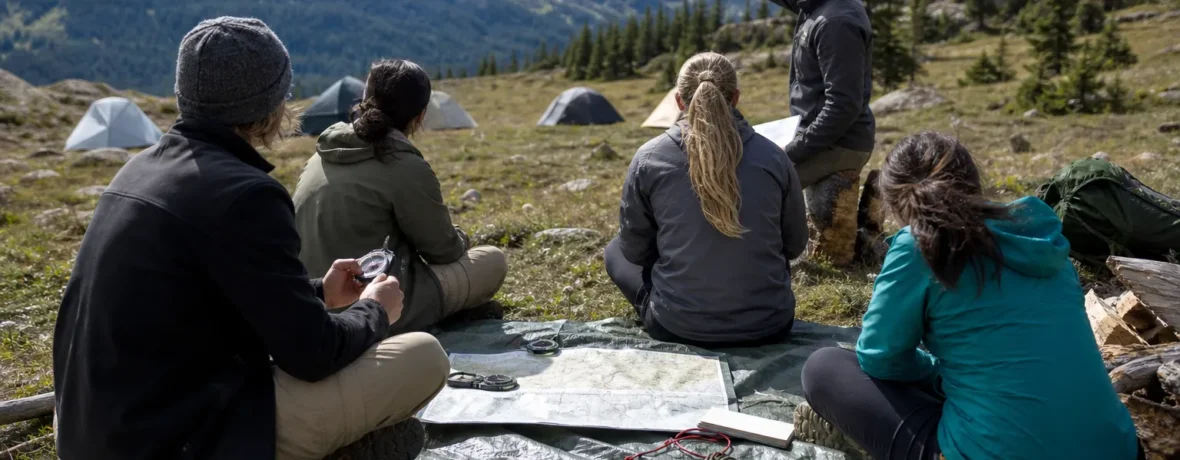
NOLS—National Outdoor Leadership School—is a nonprofit wilderness school founded in 1965 in Wyoming that teaches outdoor skills, leadership, risk management, environmental ethics, and wilderness medicine. If you’re asking “what is nols,” the short answer is: a field-based school, not a guiding service, built around learning by doing in remote places.
What is nols and what does NOLS stand for?
NOLS stands for National Outdoor Leadership School.
The school started in 1965 when mountaineer Paul Petzoldt took 33 students into the Wyoming wilderness with a blunt idea: wild country makes a strong classroom. Today, NOLS describes its mission as teaching wilderness skills and leadership that serve people and the environment, and it runs expedition, wilderness medicine, custom education, alumni, and risk management programs. You can read the school’s own summary on the official NOLS About page.
Think of NOLS as outdoor education with real consequences. You carry the pack. You cook the food. You read the map. You manage group decisions when the weather turns ugly and everyone is tired. The instructor is there to teach and manage risk, not to turn the course into a catered backcountry vacation.
Who is NOLS for?
NOLS is for people who want structured outdoor training, not just a scenic trip.
Students include teens, college students, gap-year travelers, backpackers, climbers, paddlers, educators, guides, military groups, medical professionals, and adults who want better judgment outside. Some arrive with polished skills. Others are learning how to pitch a tent without creating a nylon disaster in the wind.
You do not need to be an elite athlete for every NOLS course. You do need to be honest about your fitness, medical history, comfort with group living, and tolerance for bad weather. A 7-day frontcountry-style course and a 30-day alpine expedition ask different things from your knees, lungs, and patience.
What do you learn at NOLS?
You learn how to move through wild terrain while making better decisions with a group.
The exact skills depend on the course, but the common thread is leadership under pressure. NOLS is not only about tying knots or cooking rice at 10,000 feet [3,048 m]. The deeper lesson is how you act when the stove flares, the route is unclear, and the group has six different opinions before breakfast.
- Backpacking, camping, cooking, layering, and route planning
- Map, compass, and terrain awareness
- Risk management and decision-making
- Leadership styles, communication, and expedition behavior
- Leave No Trace ethics and low-impact travel
- Technical skills such as climbing, paddling, skiing, mountaineering, or canyoneering on specific courses
- Wilderness medicine on medical courses and some expedition tracks
That “expedition behavior” piece is classic NOLS language. In plain English, it means being the person others can count on when everyone is cold, hungry, and moving slowly.
Is NOLS the same as Outward Bound?
No, NOLS and Outward Bound are separate outdoor education organizations with different roots and course styles.
Both use challenge, wild places, and group travel as teaching tools. The feel can overlap, especially on longer wilderness courses. But NOLS is often known for expedition skills, outdoor leadership, risk management, and wilderness medicine, while Outward Bound has a long history of challenge-based personal growth and service-centered education. For comparison, see the official Outward Bound site.
| Question | NOLS | Outward Bound |
|---|---|---|
| Main identity | Wilderness leadership and skills school | Outdoor education and personal challenge school |
| Common focus | Expedition travel, leadership, risk management, medicine | Challenge, teamwork, character, service, leadership |
| Best fit | You want technical outdoor competence and leadership practice | You want a demanding personal-growth expedition |
What is NOLS Wilderness Medicine?
NOLS Wilderness Medicine is the school’s medical training branch for emergencies far from quick help.
This is one of the most recognized parts of NOLS. Courses include Wilderness First Aid, Wilderness Advanced First Aid, Wilderness First Responder, Wilderness EMT, and courses for medical professionals. As of November 2026, NOLS lists Wilderness First Aid as 16 hours, Wilderness Advanced First Aid as 40 hours, and Wilderness First Responder as 80 hours on its official Wilderness Medicine course page.
For hikers, the big split is simple. Wilderness First Aid is a good entry point if you take day hikes, backpack with friends, or lead casual trips. Wilderness First Responder is the heavier commitment for guides, outdoor educators, trip leaders, search and rescue volunteers, and serious backcountry travelers who may need to manage a patient for hours.
A certification does not make you a doctor. It gives you a framework: assess the scene, protect yourself, check the patient, make an evacuation decision, and communicate clearly when help arrives.
How hard is a NOLS course?
A NOLS course can be physically and mentally hard, depending on the route, length, weather, and group.
The challenge is not always dramatic. Sometimes it is simple grind. Wet socks. Heavy food bags. A headwind that will not quit. A tentmate who snores. A long climb when your hip belt is rubbing a raw spot. That is where the school’s leadership curriculum stops being abstract.
Expect shared work. Students cook, clean, pack, carry group gear, help with navigation, and rotate leadership tasks. On many expedition courses, comfort drops and responsibility rises. That is the point.
How do you choose a NOLS course?
Choose a NOLS course by matching your goal, fitness, schedule, terrain, and budget.
Start with the outcome you want. If you need a medical credential for guiding, look at wilderness medicine. If you want a field semester before college, look at semester programs. If you want to become steadier on backpacking trips, choose a shorter expedition with the right activity level. NOLS lists current options on its official course search page.
- Pick your goal. Skills, leadership, medicine, college credit, instructor prep, or personal challenge.
- Choose the activity. Backpacking, climbing, sea kayaking, mountaineering, skiing, rafting, or a mixed expedition.
- Check the length. A weekend medical course, a 2-week expedition, and a semester are different life choices.
- Read the prerequisites. Some courses welcome beginners. Others expect prior fitness, age minimums, or technical comfort.
- Study the gear list. Boots, layers, sleeping bags, rainwear, and packs matter. Cheap choices can get expensive when they fail.
- Ask about financial aid. Tuition varies by course and location, so use current NOLS pages rather than old forum posts.
Is NOLS worth it?
NOLS is worth it if you want formal outdoor instruction, real leadership practice, and a course that pushes you beyond casual recreation.
It is not the cheapest way to go backpacking. It is also not the right fit if you mainly want pretty campsites, personal freedom, and no group process. You are paying for instruction, curriculum, planning, risk systems, permits, group equipment, and trained staff. On a strong course, the value is not just what you see. It is how you learn to think.
NOLS makes the most sense if you want one or more of these outcomes:
- You plan to lead outdoor trips.
- You want a wilderness medicine certification.
- You are considering outdoor education, guiding, conservation, or field science work.
- You want a structured gap-year or semester experience.
- You already hike and want stronger judgment in remote terrain.
If all you need is a fun 3-day backpacking trip, hire a local guide or go with skilled friends. If you want a demanding outdoor classroom that makes you carry your share, NOLS belongs on your shortlist.
What should you pack for a NOLS course?
Pack from the official course list first, then fine-tune for fit and weather.
NOLS gear lists are specific for a reason. A desert course, Alaska course, winter course, and wilderness medicine classroom do not use the same kit. Do not guess from a generic backpacking checklist and assume it will fly.
- Broken-in footwear that matches the course terrain
- Layering system: base layer, insulation, rain shell, and warm hat
- Sleeping bag rated for expected conditions
- Backpack with enough capacity for personal and group gear
- Sun protection: sunglasses, brimmed hat, sunscreen, and lip balm
- Personal medications and required health paperwork
- Notebook, pencil, and any assigned course materials
The smartest move: borrow or rent expensive gear when that makes sense. Then spend money on fit-critical items such as boots, socks, and rainwear.
Related reading
- A Walk in the Woods: Bill Bryson's AT Story vs Reality
- Kids' Hiking Boots: How to Size and When to Buy
- Mountain Porters: The People Who Carry Expeditions
- Teaching Leave No Trace to Kids
FAQ
Is NOLS only for young people?
No, NOLS is not only for young people. The school offers teen, adult, college-age, alumni, professional, and wilderness medicine courses, though age requirements vary by program.
Do you get college credit for NOLS?
Some NOLS courses may offer college credit options, but not every course does. Check the specific course page before enrolling because credit details can change by program and partner institution.
Is NOLS a guide service?
No, NOLS is a school, not a standard guide service. Instructors teach skills and manage risk, but students are expected to do the work and take increasing responsibility.
What is the most popular NOLS medical course?
NOLS describes Wilderness First Responder as one of its most popular wilderness medicine offerings. It is built for people who work or travel in remote areas where medical help may be hours away.
Can beginners take NOLS?
Yes, beginners can take many NOLS courses. You still need to pick the right course level, train honestly, and show up ready to live outside with a group.
What does NOLS look for in students?
NOLS looks for students who can learn, contribute, and handle challenge with a team. Fitness helps, but attitude, communication, and willingness to work matter just as much.