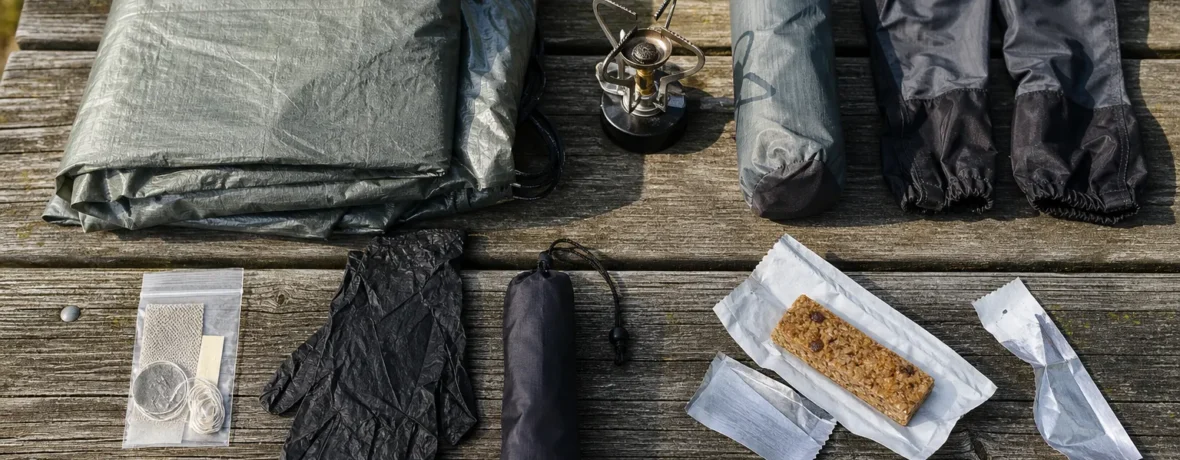
Underrated hiking gear is the small stuff that prevents one bad variable from wrecking your day: wet socks, dead batteries, dirty water, cold hands, torn packs, and surprise weather. If an item weighs under 8 oz [227 g] and solves a real trail problem, it deserves a hard look.
What underrated hiking gear is actually worth carrying?
The best overlooked gear is boring, light, and useful before the trouble starts.
That is the whole argument. The hiking world loves the shiny stuff: tents, packs, shoes, quilts, watches. Fine. Big-ticket gear matters. But the difference between a good hike and a grim shuffle often comes down to smaller items that never get the hero shot.
A dry pair of socks. A sit pad. A real repair strip. A second way to treat water. A warm hat in July. None of that sounds thrilling from the couch. On trail, it can feel brilliant.
The National Park Service lists the Ten Essentials as core systems for safer outdoor travel, and that framework still holds up. My take is narrower: after you have the basics covered, the smartest extra weight is gear that buys margin. Not comfort fluff. Margin.
| Item | Typical weight | Why it earns a spot |
|---|---|---|
| Sit pad | 1-3 oz [28-85 g] | Keeps you dry, warm, and willing to stop before you bonk |
| Backup water treatment | 1 oz [28 g] or less | Saves the day when a filter clogs, freezes, or gets lost |
| Thin liner gloves | 1-2 oz [28-57 g] | Protects hands from wind, poles, cold rain, and morning chill |
| Repair tape plus cord | 1-2 oz [28-57 g] | Fixes torn gear, broken buckles, split shoes, and rattling camp setups |
Why do small hiking items matter more than people think?
Small gear matters because trail problems usually arrive as small failures stacked together.
You rarely quit a hike because one thing went wrong. You quit because three little things gang up on you. Your socks are wet. Then your hands get cold. Then your phone battery drops faster in low temperatures. Then you skip a snack because the wind makes stopping unpleasant. Now your pace falls apart.
Underrated gear interrupts that slide.
A 2 oz [57 g] sit pad is not luxury. It is a decision tool. If you can sit on wet rock, snow, sand, or dirt without soaking your shorts, you are more likely to eat, check the map, air your feet, and make a better call. A tiny foam square can keep a quick break from turning into a cold, hunched, joyless crouch.
Same story with a buff, spare socks, liner gloves, and a pencil-length roll of repair tape. They do not make you look fast. They keep the day from getting dumb.
What gear should every day hiker carry but often forgets?
Every day hiker should carry water treatment, insulation, a light source, sun protection, and simple repair supplies.
Day hikes trick people. The car is right there at the start, the forecast looks friendly, and the pack feels better when it is nearly empty. Then the loop takes longer than planned. The spring is flowing but suspect. A warm morning turns into a windy ridge. The sun drops behind the trees.
Do not pack for the first mile. Pack for the slow mile.
- Headlamp: Phone lights are awkward, weak, and battery-hungry. A small headlamp keeps your hands free.
- Backup water treatment: The CDC explains that filters, disinfectants, and UV systems work differently against bacteria, viruses, and parasites; choose a method that fits your route and water sources using CDC water treatment guidance.
- Thin gloves: Cold fingers ruin dexterity fast, especially when using poles, zippers, wet straps, or a map.
- Mini repair kit: Tape, safety pins, needle, thread, and a few feet of cord can keep damaged gear usable.
- Dry socks: Not “camp socks.” Emergency socks. Foot morale is real.
- Trash bag or pack liner: A compactor bag weighs little and protects insulation when rain punches through.
Are camp shoes worth the extra weight?
Camp shoes are worth carrying on overnight trips only when they solve a specific foot, water, or campsite problem.
Here is the line: if your camp shoes are heavy, floppy, and packed because they feel nice at home, leave them. If they are light, secure, and let you ford streams, air swollen feet, or avoid barefoot bathroom walks in thorny ground, they can earn the weight.
For many backpackers, loose sandals are the wrong answer. They slide on wet rock, snag on roots, and ride poorly on a pack. A better choice is often one of these:
- Use your trail runners loose at camp. Pull the insoles, loosen the laces, and let socks dry.
- Carry ultralight water shoes only for frequent crossings. They should stay on your feet in moving water.
- Skip camp shoes on dry, short trips. Your pack gets lighter with zero downside.
- Choose foam slides only for established, low-risk camps. They are comfort items, not technical gear.
That is the standard for all underrated gear: does it solve a trail problem better than what you already carry? If not, it is just decoration with straps.
What is the most overlooked safety gear for hiking?
The most overlooked safety gear is a reliable way to stay found, warm, visible, and hydrated when plans slip.
Safety gear does not need to be dramatic. A whistle. A paper map. A small compass. A bright layer. A water treatment backup. A headlamp. A warm hat. These are not fear purchases. They are friction reducers when the day gets crooked.
Weather deserves special respect. NOAA’s lightning guidance says that if you hear thunder, lightning is close enough to pose danger, and safe shelter means a substantial building or an enclosed, metal-topped vehicle; NOAA also recommends waiting 30 minutes after the last thunder before leaving shelter. Read the NOAA lightning safety guidance before ridge hikes and exposed summer routes.
The most underrated safety item may be a plan you wrote down before leaving. Trailhead, route, turnaround time, vehicle description, and expected return. That weighs nothing. It also forces honesty. If your route needs a 10-hour pace and sunset arrives in 7 hours, the math is not being dramatic. The math is helping you.
How do you decide if extra hiking gear is worth the weight?
Extra gear is worth its weight when it has more than one use, protects a critical need, or prevents a high-consequence failure.
Use a hard filter. Not an ultralight purity contest. A usefulness filter.
- Name the problem. Do not pack “just in case.” Pack for cold rain, blister risk, dirty water, sun exposure, gear failure, or delayed return.
- Check if another item already solves it. A rain jacket can block wind. A pot can scoop water. A buff can cover sun, sweat, dust, and cold.
- Weigh the consequence. A torn stuff sack is annoying. Untreated water, darkness, and hypothermia risk are different animals.
- Pick the lightest reliable version. Tiny does not help if it snaps, leaks, clogs, or fails with cold fingers.
- Store it where you can reach it. Gear buried under a quilt during a storm is theoretical gear.
This is where copywriter brain and hiker brain agree: clarity beats clutter. If you cannot explain why an item is in your pack in one sentence, it probably should not be there.
What should be in a small hiking repair kit?
A small hiking repair kit should fix fabric, footwear, buckles, straps, and sleeping-pad problems well enough to get you out.
No, you do not need a hardware aisle. You need a tight kit with proven pieces.
- Pre-cut repair tape for tents, jackets, packs, and pads
- Tenacious-style fabric patch or similar gear repair patch
- 2 safety pins
- Needle wrapped with strong thread
- 6-10 ft [1.8-3 m] of cord
- Small zip ties
- Spare water filter gasket if your filter uses one
- Mini lighter stored dry
Keep it compact. A repair kit that grows into a junk drawer will stay home. A repair kit the size of a snack bar will come with you.
What comfort gear is actually not a waste of pack weight?
Comfort gear is not a waste when it helps you rest, eat, sleep, or make safer decisions.
Comfort gets mocked by hikers who confuse suffering with skill. Bad move. Sensible comfort keeps you functional.
A sit pad helps you stop before fatigue snowballs. Dry sleep socks protect warmth. Earplugs can save sleep near wind, water, snoring tentmates, or busy camps. A small bandana handles sweat, spills, condensation, sun, and first-aid improvisation. A wide-brim hat can prevent the slow roast of exposed miles.
The Leave No Trace Center for Outdoor Ethics asks hikers to plan ahead, dispose of waste properly, and leave what they find; small items like a trash bag, trowel, and waste bags support those basics without much pack penalty. See the Leave No Trace Seven Principles for the full framework.
The point is not to pack more. The point is to pack smarter. Bring the little things that keep you moving well, thinking clearly, and treating the place with respect.
Related reading
- Underrated National Parks Worth Your Time
- Overrated Hiking Gear You Can Skip
- Best Hiking Gear Under $200
- Best Winter Hiking Gear
FAQ
What is the best underrated hiking gear for beginners?
The best underrated hiking gear for beginners is a headlamp, sit pad, spare socks, and backup water treatment. Those items are light, inexpensive compared with major gear, and useful on day hikes and overnight trips.
Should I carry a sit pad on a day hike?
Yes, carry a sit pad if your route has wet ground, cold rock, snow, sand, or long breaks. A 1-3 oz [28-85 g] pad can make it easier to rest, eat, check your map, and keep moving comfortably.
Is a backup water treatment method necessary?
Yes, it is smart on longer hikes, hot routes, and trips with uncertain water. Filters can clog or freeze, bottles can crack, and chemical tablets weigh very little for the margin they provide.
Are trekking pole accessories underrated?
Yes, especially rubber tips, snow baskets, and a small repair section for pole locks. The right accessory can reduce noise on rock, improve float in soft ground, or keep a pole usable after a minor failure.
What gear should I stop carrying?
Stop carrying single-purpose comfort items that do not solve a real problem on your route. If an item stays unused for several trips and does not cover safety, warmth, water, navigation, repair, or weather, cut it first.