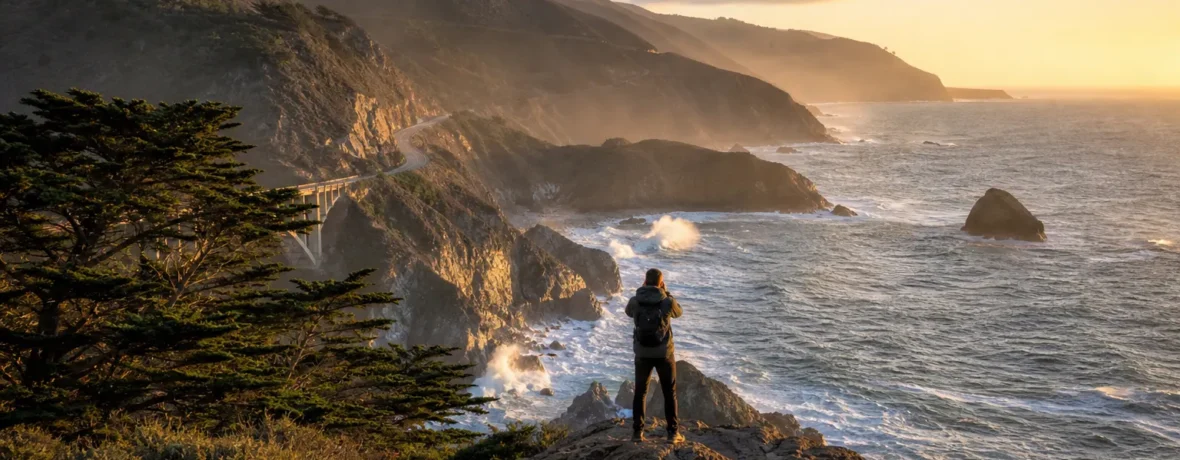
No. Big Sur is not a national park. As of November 2026, Big Sur is a rugged coastal region on California’s Highway 1, stitched together by state parks, Los Padres National Forest land, private land, and protected coast. You pay and follow rules based on the specific park, forest, beach, or campground you enter.
Is Big Sur a national park or a state park?
Big Sur is neither one single national park nor one single state park.
Think of Big Sur as a place name, not a park boundary. The National Park Service lists 434 National Park System units and 64 named National Parks as of November 2026, and Big Sur is not listed as one of those National Parks on the official National Park Service National Park System page.
On the ground, that means your day might move through California State Parks, U.S. Forest Service land, road pullouts, beaches with separate rules, and stretches of private property. Same coastline. Different managers. Different rulebook.
| Place or land type | Who manages it | What it means for you |
|---|---|---|
| Big Sur region | Mixed public and private land | No single entrance gate, pass, or park rule covers the whole coast. |
| Pfeiffer Big Sur, Andrew Molera, Julia Pfeiffer Burns, Limekiln | California State Parks | State park day-use fees, dog rules, camping rules, and posted closures apply. |
| Ventana Wilderness and nearby forest roads/camps | USDA Forest Service, Los Padres National Forest | Forest orders, fire restrictions, and backcountry conditions can change fast. |
| Highway 1 pullouts and access roads | Caltrans, local agencies, or adjacent landowners | Parking does not always mean legal beach or trail access. |
What parks are in Big Sur?
Big Sur’s best-known hiking stops are mostly California State Parks and Los Padres National Forest trailheads.
For hikers, the names you’ll see again and again are Pfeiffer Big Sur State Park, Andrew Molera State Park, Julia Pfeiffer Burns State Park, Limekiln State Park, Garrapata State Park, and Point Sur State Historic Park. The forest side of the map includes Los Padres National Forest and the Ventana Wilderness, where trips feel wilder and planning matters more.
Do not assume two nearby trailheads have the same rules. A redwood walk in a state park, a beach day-use lot, and a forest trail climbing inland can each have its own leash policy, fire rule, parking setup, and closure notice.
How much does it cost to visit Big Sur State Parks?
As of November 2026, the standard Big Sur State Parks vehicle day-use fee is $10 per vehicle.
California State Parks says Big Sur State Parks are open from 8 a.m. to sunset, and the day-use receipt allows access to other California State Parks until closing on the same day. Current Big Sur State Parks fees also list Pfeiffer Big Sur standard campsites at $50 per night and premium campsites at $60 per night, with trail or environmental campsites at other Big Sur units listed separately on the official Big Sur State Parks fees and information page, as of November 2026.
Bring a card and a backup plan. Kiosks, self-pay stations, full lots, fire recovery work, and storm damage can all shape your day. If a lot is full, don’t improvise by blocking Highway 1 or squeezing into a private driveway. That is how good access turns sour for everyone.
Do you need a permit to hike in Big Sur?
For ordinary day hikes in state parks, you usually do not need a hiking permit.
You may need to pay a day-use or parking fee, and you must follow the rules for that unit. Camping is different. Campground reservations, trail camps, group sites, special events, commercial filming, and some forest uses can require reservations or permits.
Use this quick planning sequence:
- Pick the exact trail or park unit, not just “Big Sur.”
- Check the official park or forest page for closures that day.
- Check Highway 1 conditions before you drive.
- Confirm whether you need a campsite reservation, day-use fee, or special-use permit.
- Download maps offline before you leave service.
Cell service is thin along the coast and in the canyons. A screenshot of your reservation, a paper map, and a saved route can save the day.
Are dogs allowed in Big Sur parks?
Dogs are restricted, especially on state park trails.
As of November 2026, California State Parks says dogs in Big Sur State Parks are not allowed on State Park trails, but they are allowed in picnic or day-use areas, some campgrounds, and on paved roads; they must be on a leash no longer than 6 feet [1.8 m] and may not be left unattended. Check the official Big Sur State Parks dog rules before you pack the leash.
This is where hikers get tripped up. Big Sur feels open and wild, but many trails pass through sensitive habitat, narrow corridors, or crowded day-use zones. If your dog is central to the trip, choose the route around the dog rule first, not after you arrive.
Can you camp in Big Sur?
Yes, but camping is controlled by the specific campground or land manager.
State park campgrounds, environmental camps, forest campgrounds, and private campgrounds all operate differently. Some sites fit RVs. Some are walk-in. Some close after storms, fires, road damage, or seasonal maintenance. In Pfeiffer Big Sur State Park, the listed maximum trailer length is 27 feet [8 m] and maximum camper or motorhome length is 32 feet [10 m], as of November 2026.
Do not count on finding a legal last-minute campsite by driving the coast after dark. Big Sur is popular, narrow, and heavily regulated for good reason. Book ahead when reservations are available, and have a legal backup outside the corridor.
Are campfires allowed in Big Sur?
Sometimes, but only where the current rules allow them.
In California State Parks, campfires are generally tied to provided fire rings and posted fire restrictions. On Los Padres National Forest land, the U.S. Forest Service says a California Campfire Permit is required at all times for wood fires, barbecues, and stoves outside designated campfire-use sites, and tighter fire restrictions can override normal allowances; see the official Los Padres National Forest Monterey Ranger District campground and campfire guidance, as of November 2026.
Translation: never wing it with fire in Big Sur. Wind, dry grass, steep canyons, and limited road access make this coast unforgiving. If the current order says no flame, it means no flame.
What should you check before driving to Big Sur?
Check road status, park status, and trail status before you leave.
Highway 1 is part of the Big Sur experience, but it is also vulnerable to slides, storm damage, construction, and fire operations. Caltrans lists current Highway 1 conditions and closures on its official California Highway 1 road information page. Check it the morning you go, not the week before.
- Download offline maps for driving and hiking.
- Carry water, layers, and a headlamp even for short hikes.
- Pack out all trash, including food scraps.
- Stay behind closure signs and barriers.
- Use restrooms where available; facilities are limited.
- Park only in legal spaces, fully outside the travel lane.
Related reading
- How Big Is Yellowstone National Park?
- How Big Is Yosemite National Park?
- How Big Is Kruger National Park?
- How Big Is Glacier National Park?
FAQ
Is Big Sur a National Park?
No. Big Sur is not a National Park. It is a coastal region with California State Parks, Los Padres National Forest land, private land, and other managed areas.
What is the closest national park to Big Sur?
Pinnacles National Park is the closest named National Park to the Big Sur area. It is inland from the coast, so plan it as a separate trip rather than a quick pullout on Highway 1.
Can I use a National Parks pass in Big Sur?
Not for California State Park day-use fees. Federal passes may apply on some federal lands, but Big Sur State Parks use California State Parks fees and passes.
Is McWay Falls in a national park?
No. McWay Falls is associated with Julia Pfeiffer Burns State Park, not a National Park. Trail access and overlooks can close for repairs, storm damage, or resource protection, so check the current state park page before you go.
Can you hike in Big Sur for free?
Sometimes. Some areas do not charge a walk-in fee, but many popular state park lots charge vehicle day-use fees, and some sites require reservations. The safe move is to check the exact trailhead before you drive.
Is Big Sur open year-round?
The region is accessible in every season when roads and park units are open. Winter storms, wildfire recovery, construction, and Highway 1 closures can shut down specific trails, campgrounds, or road segments with little notice.