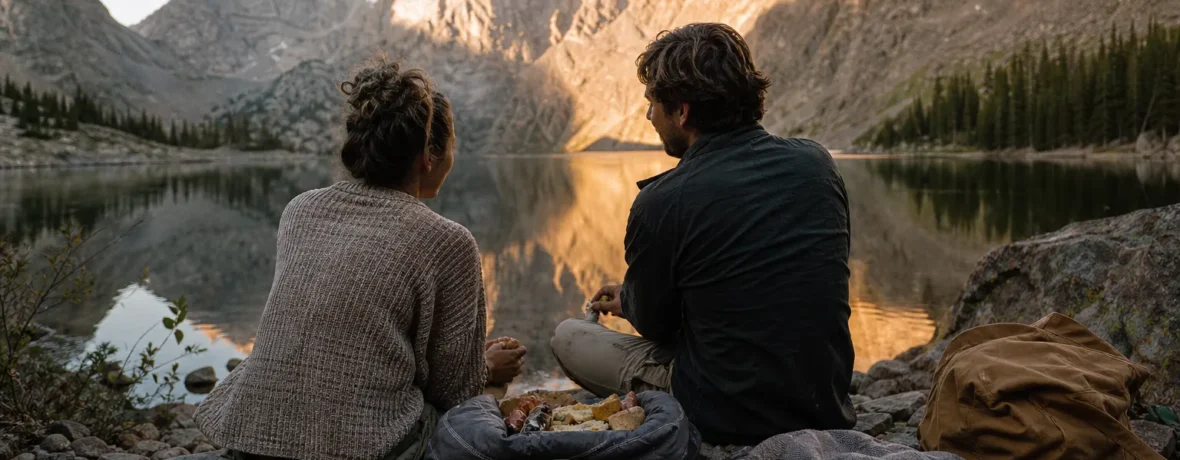
A hiking date can be a strong first date if you keep it short, public, and easy: 2 to 4 miles [3.2 to 6.4 km], under 2 hours, with clear cell coverage or a busy trailhead. Pick daylight, share the plan, bring water, and leave room for a graceful exit.
Is hiking a good first date?
Yes, if both people already like walking outside. A trail gives you movement, scenery, and natural pauses, which can make conversation feel less stiff than sitting across from each other at a tiny café table.
The catch: a hike is more commitment than coffee. You are driving somewhere, choosing a route, managing weather, and spending time away from crowds. That can be fun. It can also feel like too much with someone you barely know.
So the better question is not “is hiking a good first date” in every case. The better question is: does this person want an active, low-pressure plan in a public place with clear boundaries? If yes, go for it. If they sound hesitant, suggest a walk in a city park or coffee near a trailhead instead.
How do you plan a hiking date without making it weird?
Make the plan simple and transparent. The more specific you are, the more relaxed the other person can feel.
Do not pitch a remote ridge, a sunrise start, or a “secret spot” for a first meetup. That may sound romantic in your head. To the other person, it can sound like poor judgment. Pick a known trail, a normal hour, and a route where either person can say, “I’m good turning around here,” without wrecking the day.
Use plain language when you invite them. Try this:
“Want to do an easy 3-mile [4.8-km] trail Saturday at 10, then grab coffee after if we’re both feeling it?”
That sentence does three useful things. It gives the distance. It gives the time. It gives a soft exit. Nobody is trapped into lunch, a long drive, or a half-day plan.
What makes a first-date hike feel safe?
Public, daylight, and easy to leave. Those three words should shape the whole plan.
Choose a trail with a real parking area, visible foot traffic, and a route that stays within your comfort zone. Tell a friend where you are going and when you expect to be back. The National Park Service recommends planning ahead, packing essentials, and knowing that some backcountry areas lack cell service in its Hike Smart safety guidance.
Share the trail name before you meet. Meet at the trailhead, not at someone’s home. Drive separately unless you already know and trust the person. Keep the first hike short enough that ending early feels normal, not dramatic.
- Meet during full daylight.
- Pick a popular trail, not a remote one.
- Send the route to a friend.
- Drive yourself.
- Bring your own water, snacks, and layer.
- Keep alcohol out of the plan.
- Trust discomfort early. You do not owe anyone the full route.
How long should a first-date hike be?
Keep it to 2 to 4 miles [3.2 to 6.4 km]. That range gives you enough time to talk without turning the date into an endurance test.
For elevation, stay gentle: 500 feet [152 m] of gain or less is a clean target for most casual hikers. If both of you hike every week, you can choose more, but the first date is not the time to prove fitness. You are trying to learn how the person handles pace, small decisions, silence, weather, and other trail users.
Plan for 60 to 120 minutes on trail. Add an optional coffee, smoothie, or tacos afterward only if the vibe is good. Optional matters. It lets the date expand naturally instead of feeling like a calendar hostage situation.
| Route type | Best for | First-date verdict |
|---|---|---|
| 1 to 2 miles [1.6 to 3.2 km], flat | New hikers, cautious first meetups | Safest choice |
| 2 to 4 miles [3.2 to 6.4 km], mild gain | Active people who like being outside | Sweet spot |
| 5 to 7 miles [8 to 11.3 km] | People who already know each other | Better for date three |
| Remote peak, scramble, or off-trail route | Experienced partners with trust built | Skip it for a first date |
How do you choose the right trail for a first date?
Pick easy access over epic scenery. A first-date trail should be pleasant, not legendary.
Look for a loop or out-and-back route with clear signage. Loops feel natural because you do not have to negotiate the turnaround point. Out-and-backs are also fine because either person can call the turn. Avoid trails with tricky route-finding, stream crossings, exposed ledges, heavy mud, hunting-season complications, or long stretches with no other people.
A good first-date trail has:
- A trailhead you can find without losing service.
- Parking that does not require complicated permits or cash-only systems.
- Restrooms nearby, if possible.
- Several bailout points or a short total distance.
- Shade in hot weather.
- A view, creek, meadow, lake, or other natural conversation starter.
If the route is on public land, check the official park, forest, or land-manager page before you go. Trail closures, parking rules, dog rules, and seasonal restrictions change. If you cannot verify a detail, do not build the date around it.
What should you wear on a hiking date?
Wear trail clothes you can actually walk in. Cute is fine; limping is not.
Start with shoes that have already been worn outside. Brand-new boots can turn a nice date into a blister seminar. Choose trail runners, light hikers, or sturdy walking shoes with grip. Skip cotton socks if you have better options; wool or synthetic hiking socks handle sweat better.
Your outfit should match the weather and the pace. Think clean, comfortable, and practical. If you want to look put together, do it with fit and color, not fragile fabrics. A breathable shirt, light layer, and shorts or pants with stretch will beat stiff jeans on most trails.
- Trail shoes or broken-in hiking boots.
- Comfortable socks.
- Breathable shirt.
- Light fleece, wind shell, or rain shell if the forecast calls for it.
- Hat and sunglasses in bright sun.
- Small daypack or hip pack.
What should you pack for a hiking date?
Pack enough to be self-sufficient. You are not trying to haul an expedition kit, but you should not depend on your date for basics.
Bring your own water. For a short, mild hike, one bottle may be enough for many people; for heat, sun, or climbing, carry more. Add a snack even if you plan to eat later. Hunger makes people weird. So does dehydration.
For health and trail comfort, add sun protection, a small first-aid kit, and insect protection when conditions call for it. The CDC gives practical advice for preventing tick bites, including treating clothing and checking your body after outdoor time. For heat, review the CDC’s heat illness symptoms before hiking in high temperatures.
- Water.
- Snack.
- Phone with charged battery.
- Map app with the route saved offline.
- Small first-aid kit.
- Sun protection.
- Bug protection when needed.
- Light layer.
- Car key secured in a zipped pocket.
- ID and payment card.
How do you plan the date step by step?
Build the date around one short trail and one optional after-plan. That keeps the whole thing clean.
- Ask directly. Say the trail length, start time, and general location.
- Offer an easier backup. “If that feels like too much, we can do the paved lake loop instead.”
- Check the official source. Look for closures, weather alerts, dog rules, parking details, and seasonal notices.
- Send the trail name. Share the route before the date, not from the parking lot.
- Meet at the trailhead. Drive separately for a first meetup.
- Start with a pace check. Ask, “Does this speed feel good?” within the first 5 minutes.
- Turn around early if needed. Heat, smoke, storms, sore feet, and bad vibes are all valid reasons.
- Leave the after-plan optional. Coffee after the hike is great only if both people want it.
What should you talk about on a hiking date?
Talk like a normal person, not a podcast host. The trail gives you plenty to work with.
Start easy. Ask what they do for fun when they are not working, what trails they like, what food they crave after a hike, or what trip they would repeat. Let silence breathe for a few steps. On a trail, silence does not have to mean failure. Sometimes you are both climbing a hill. Sometimes a hawk just stole the room.
Avoid turning the first mile into an interview. Mix questions with observations. Point out a view. Laugh at the mud. Offer a snack. If the conversation gets personal, let it happen gradually. A first hike is not the place to unload every breakup, injury, family feud, or life plan by the overlook.
What are good hiking date manners?
Good trail manners are good date manners. They show how you handle shared space.
Stay on the trail. Do not blast music. Yield with a quick smile. Keep dogs controlled if dogs are part of the plan, and only bring a dog if your date agreed ahead of time. Follow posted rules and local guidance. The Leave No Trace Seven Principles are a useful baseline for keeping the outdoors cleaner and less chaotic for everyone.
Also, do not race. A first-date hike is not a Strava audition. Match pace, check in, and take breaks without making a production out of it. If you are the stronger hiker, your job is not to coach. Your job is to be pleasant company.
What are red flags on a hiking date?
Pressure is the biggest red flag. If someone pushes past your stated comfort level, end the date.
Watch how they respond to small boundaries. Do they accept “I’d rather stay on the main trail”? Do they listen when you say the pace is too fast? Do they mock your gear, fitness, fear of heights, or desire to turn around? That is information.
- They change the destination at the last minute to somewhere more remote.
- They pressure you to ride with them.
- They dismiss weather, closures, or safety concerns.
- They push for a longer route after you agreed on a short one.
- They ignore your pace or comfort.
- They drink heavily or bring substances to the trail.
- They treat other hikers, rangers, or service workers badly.
You do not need a courtroom-level reason to leave. “I’m going to head back now” is enough. Keep your keys, phone, and water with you.
When to see a doctor
Get medical help fast for severe symptoms. Hiking dates are usually low-risk, but heat illness, allergic reactions, falls, bites, and infected blisters can become serious.
For heat, the CDC lists warning signs such as confusion, loss of consciousness, and very high body temperature as emergency concerns. Stop hiking, move to a cooler place, and seek urgent help if severe heat symptoms appear. For blisters, the Mayo Clinic says to seek care if a blister looks infected, including spreading redness, warmth, pus, or increasing pain; see its blister first-aid guidance.
Also seek medical care after a fall with head injury, severe pain, trouble walking, chest pain, trouble breathing, or symptoms that worsen after you leave the trail. This article cannot diagnose you or your date. When the situation feels beyond basic first aid, choose medical care over toughing it out.
Related reading
- What to Wear on a Hiking Date
- A Walk in the Woods: Bill Bryson's AT Story vs Reality
- Kids' Hiking Boots: How to Size and When to Buy
- Mountain Porters: The People Who Carry Expeditions
FAQ
Is a hiking date too much for a first date?
It can be too much if the trail is long, remote, or hard. Keep the first plan short, public, and easy, then save the bigger hike for later if the chemistry is real.
Should you kiss on a hiking date?
Only if the moment is clearly mutual. A scenic overlook does not create consent; pay attention to body language, words, and comfort.
What time of day is best for a first hiking date?
Late morning is usually the easiest choice. You get daylight, warmer temperatures in cool seasons, and time for coffee or food afterward without stretching the date into the evening.
Should I bring my dog on a hiking date?
Only if your date agrees before the hike. Also check the trail’s dog rules through the official land manager, and keep the dog leashed where required.
What if the weather looks bad?
Reschedule or switch to a low-commitment indoor plan. A first date does not need lightning, heavy rain, extreme heat, wildfire smoke, or icy footing to be memorable.
What is the best backup plan after a hike?
Choose something casual within a short drive. Coffee, smoothies, tacos, or a bakery stop all work because either person can stay longer or leave easily.